
The Rosetta Institute of Biomedical Reseach Summer School

4001-699-686

核心亮点

Forbes-selected summer school

The Biomedical Research Summer Schools of Rosetta Institute is highly ranked, having been featured on Forbes’ Seven Top Summer Science Programs for High Schoolers list and the Teenlife (US News) Top 100 list.

50+ hours of research intensive curriculum

Produce academic work through specialized lectures and hands-on research. The Rosetta website states that the program helps students excel in challenges such as the Regeneron Science Talent Search, the Google Science Fair, the Siemens Challenge, and Science Olympiad etc.

70%+ international students,A top choice us-leading private school students

The Biomedical Research Summer Schools of Rosetta Institute selectively admits outstanding students from around the world. Past participants state that the program is both academically challenging and highly engaging. Students can make friends from across the globe, broadening their horizons and stimulating innovative thinking through collaboration.

Immersive campus life,Exceptional value with on-campus living and learning

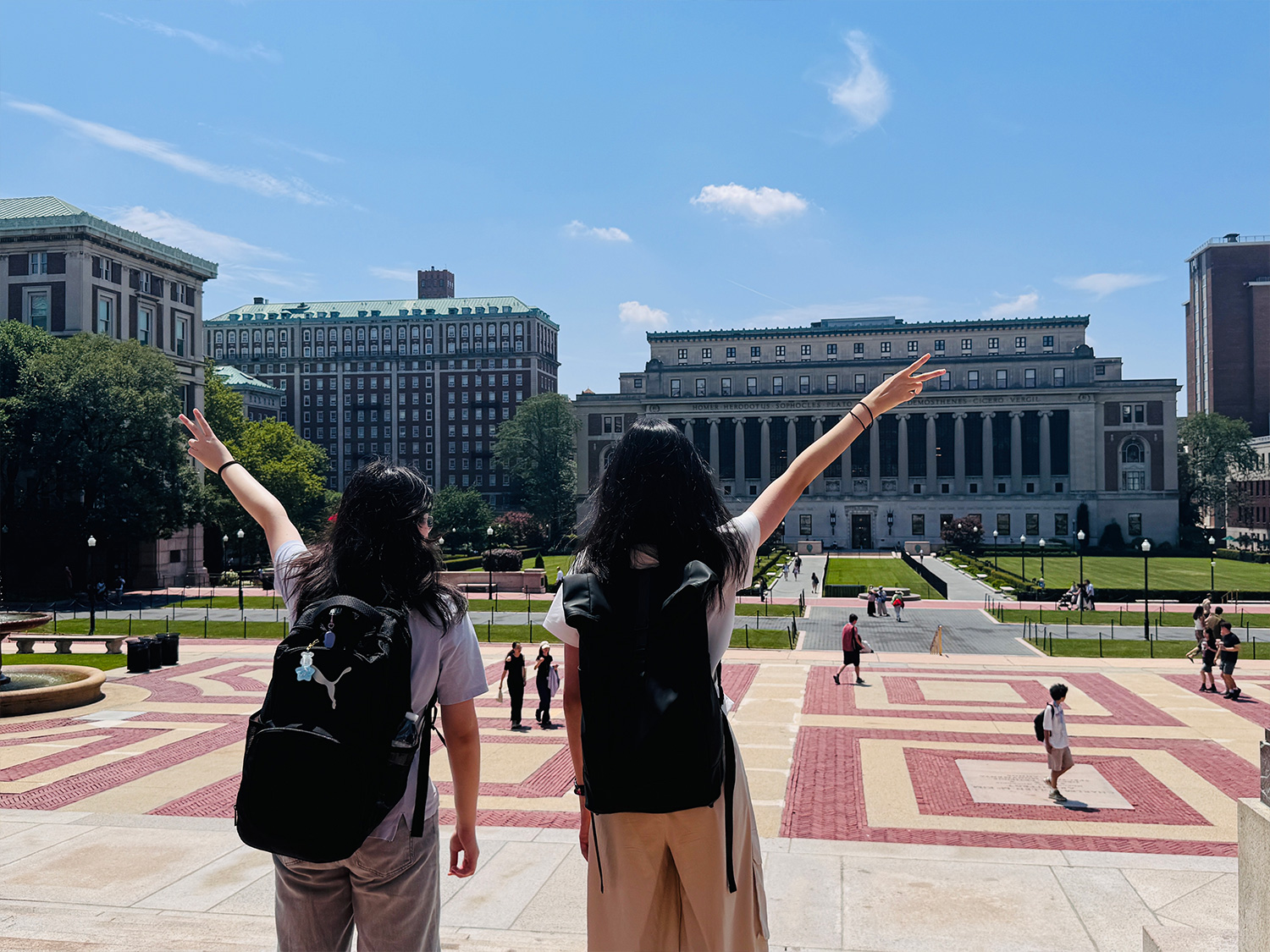
Students will reside in on-campus dormitories, with meals and accommodation provided by the summer school, for a fully immersive academic and residential experience.

 Introduction 

The Rosetta Institute of Biomedical Research is an independently funded medical institute located in Alameda, near San Francisco, USA. It focuses on research into cell death in multiple myeloma and lung cancer, to discover novel driver mutations responsible for tumorigenesis and the emergence of chemotherapy-resistant clones. Beyond its research, Rosetta has been running summer and winter programs in the US for over a decade, offering cutting-edge courses in cancer, neuroscience, bioinformatics, and immunology for motivated students aspiring to careers in medicine and related fields (such as pharmacy, nursing, biomedical research, or drug development).

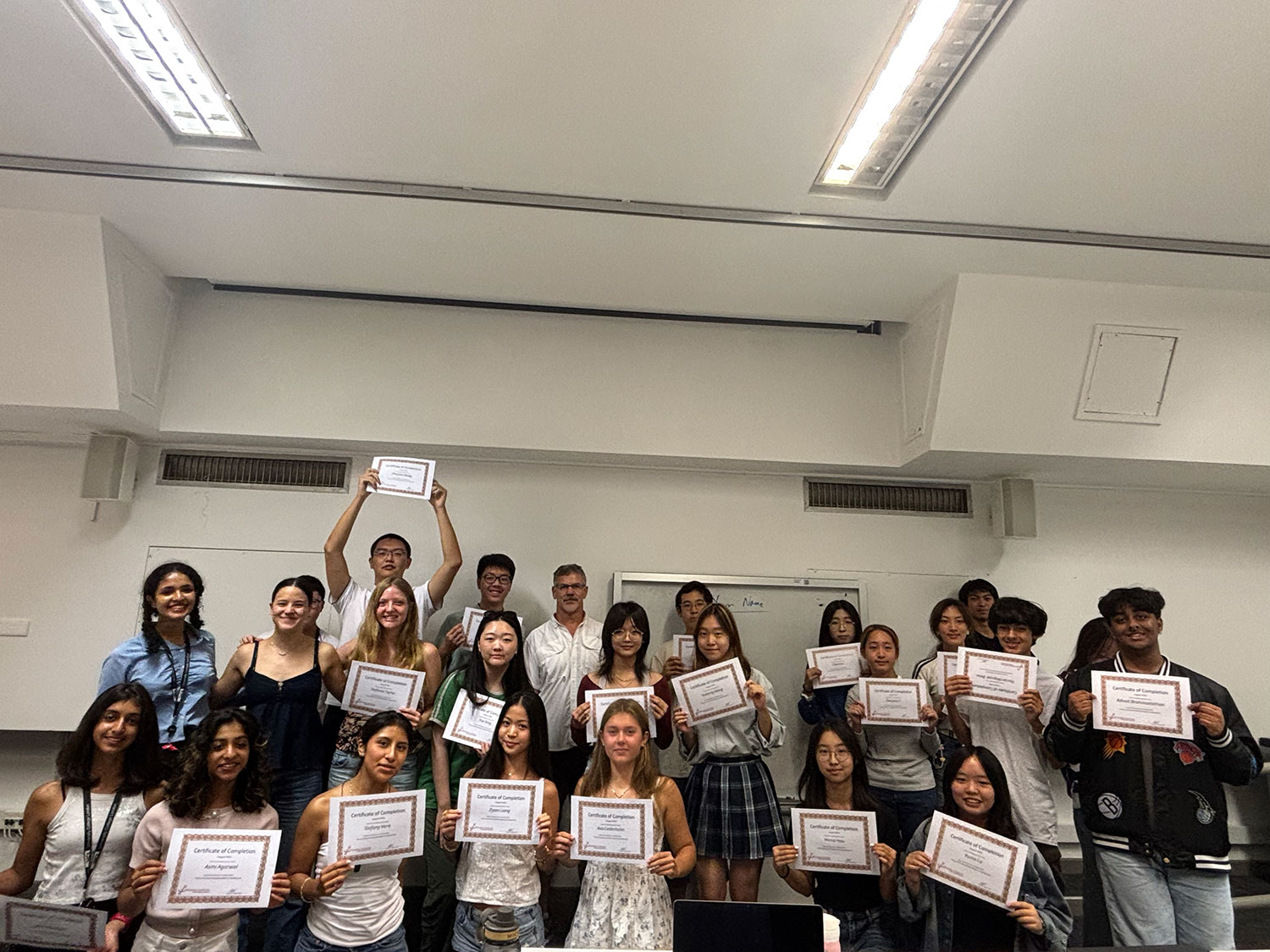
As the exclusive official registration channel in Mainland China for The Biomedical Research Summer Schools of Rosetta Institute, ASEEDER offered three program locations in 2025: University of California, San Diego, Columbia University, and University College London. In 2026, we are proud to continue providing students with access to the Rosetta Institute of Biomedical Research Summer School, offering the opportunity to study on world-class campuses, learn cutting-edge biomedical subjects, and receive an authoritative certificate of completion.

 Your First Step in the Rosetta Institute of Biomedical Research 

Since its establishment in the early 20th century, the modern US biomedical laboratory system has been the core driver of the modern medical revolution. Key technologies familiar to the public, such as new drug target discovery, gene function analysis, cancer mechanism research, and bio-marker screening.
For high school students who already possess excellent in-school and standardized test scores, their exam-taking abilities and mastery of standard curricula are already well-demonstrated. However, their research depth, academic potential, and professional passion often lack a powerful vehicle. The Rosetta Institute of Biomedical Research Summer School is designed specifically for high school students, systematically empowering them with research skills. Leveraging the resources of world-renowned university, providing a comprehensive experience combining academic learning with authentic university life.

1.Beyond Biology Challenges:

Train a Research Mindset from a Professional Lab Perspective


The program provides not only theoretical knowledge but also drives students through a genuine research cycle: select undeciphered gene sequences from databases, pose testable scientific questions, design experimental plans, process and interpret data, present their findings, and output mini-research reports, essays, or PPTs. The program content aligns with the original research requirements of international challenges like iGEM, Regeneron ISEF, and BioGENEius Cup, while also covering core cell and molecular biology knowledge needed for USABO and BBO, achieving a dual enhancement of research capabilities and challenge performance.

2.Beyond College Application:

Impress Admissions Officers with a Research Narrative


Top universities like Johns Hopkins emphasize in their undergraduate admissions that they prefer students who have deep exploration in academic interest. An original research project at Rosetta clearly demonstrates three key points to admissions officers: the interest in biomedicine, preliminary research thinking and problem-solving skills, and proactive preparation for university-level academic challenges. For students in G10-12, right in the thick of the intense application season, this becomes a highly differentiated highlight.

3.Beyond Undergraduate Studies:

Early Exposure to Advanced University Content for a Better Further Academia


The program’s topics, such as cancer, neuroscience, aging, and immunology, are both relevant to daily life and at the forefront of biomedical science. Students will systematically learn advanced university-level content in molecular biology and bioinformatics—subjects typically offered at the undergraduate level. Mastering this knowledge early will make you more competitive in securing positions and thriving in research labs, both on and off campus, during your undergraduate studies.

4.Beyond Biology:

Master Universal Logic in Life Sciences for Careers in Medicine & STEM


While the program focuses on specific cutting-edge fields, if students can understand the mechanisms of cancer, neuroscience, or immunology at a molecular level, it helps students build a knowledge framework that can be applied to any subfield of biomedicine, thus laying a solid foundation for future in-depth study and research in medicine, pharmacology, bioengineering, and other STEM fields.

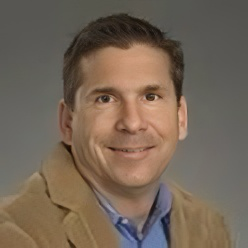
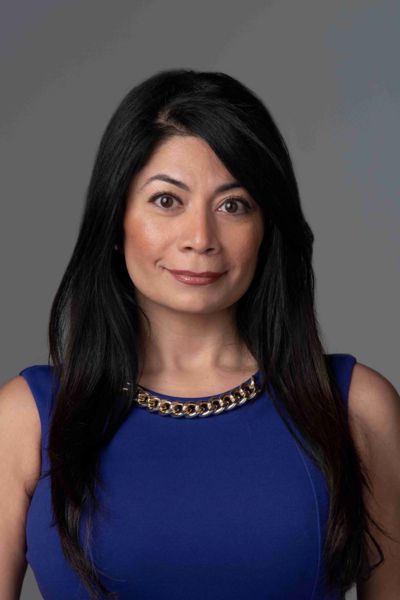
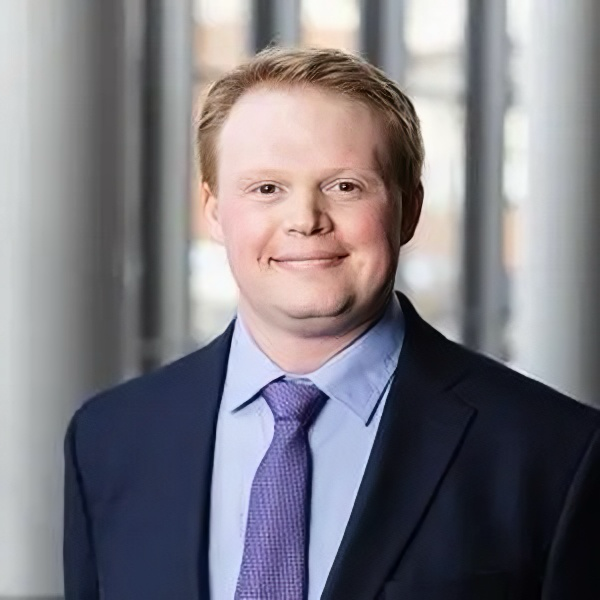
 Sample Teaching Faculty  

* For reference only. Please be subject to the final arrangement of the Rosetta Institute of Biomedical Research Summer School.

  Course Descriptions 

* For reference only. Please be subject to the final arrangement of the Rosetta Institute of Biomedical Research Summer School.


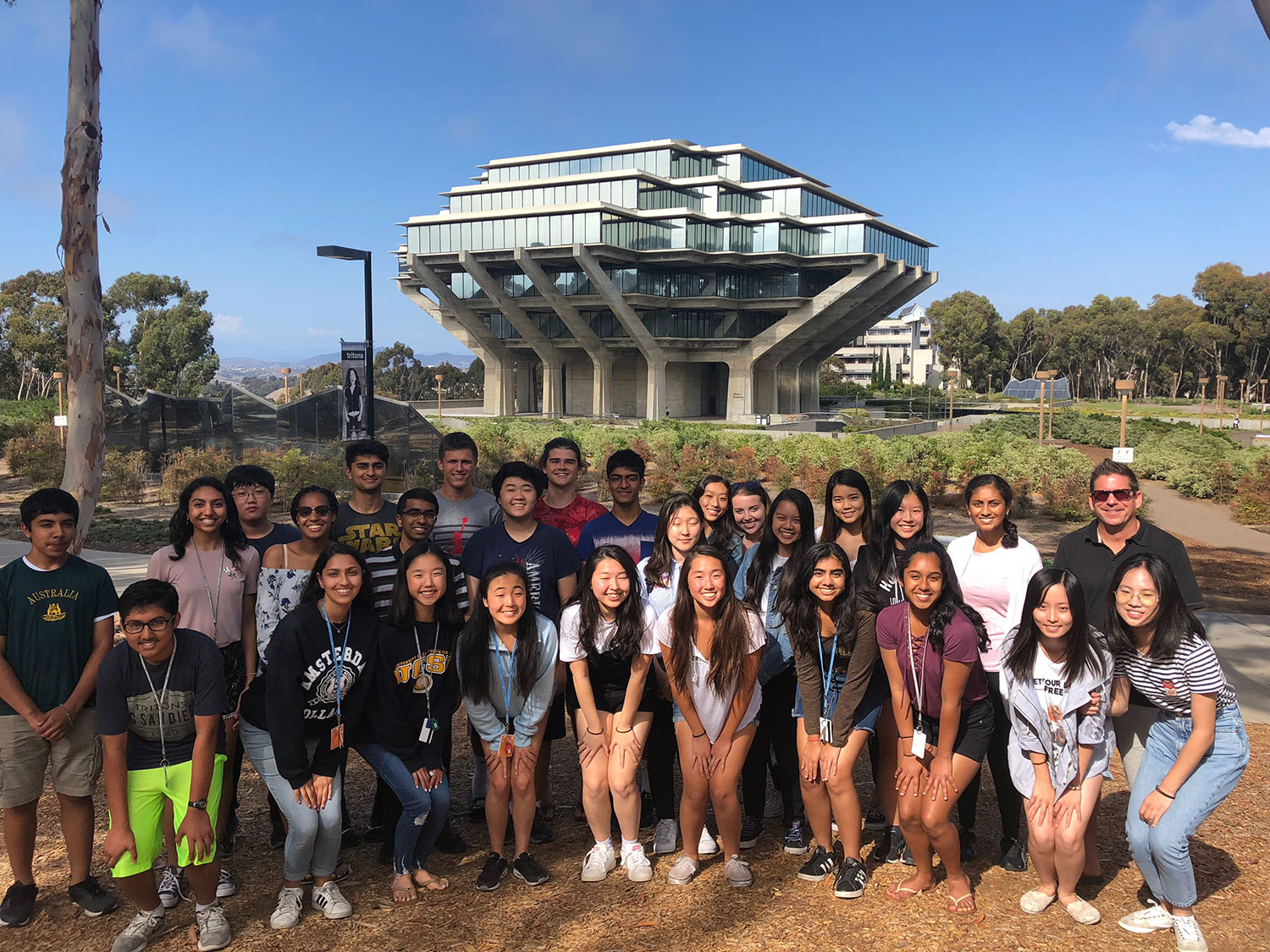
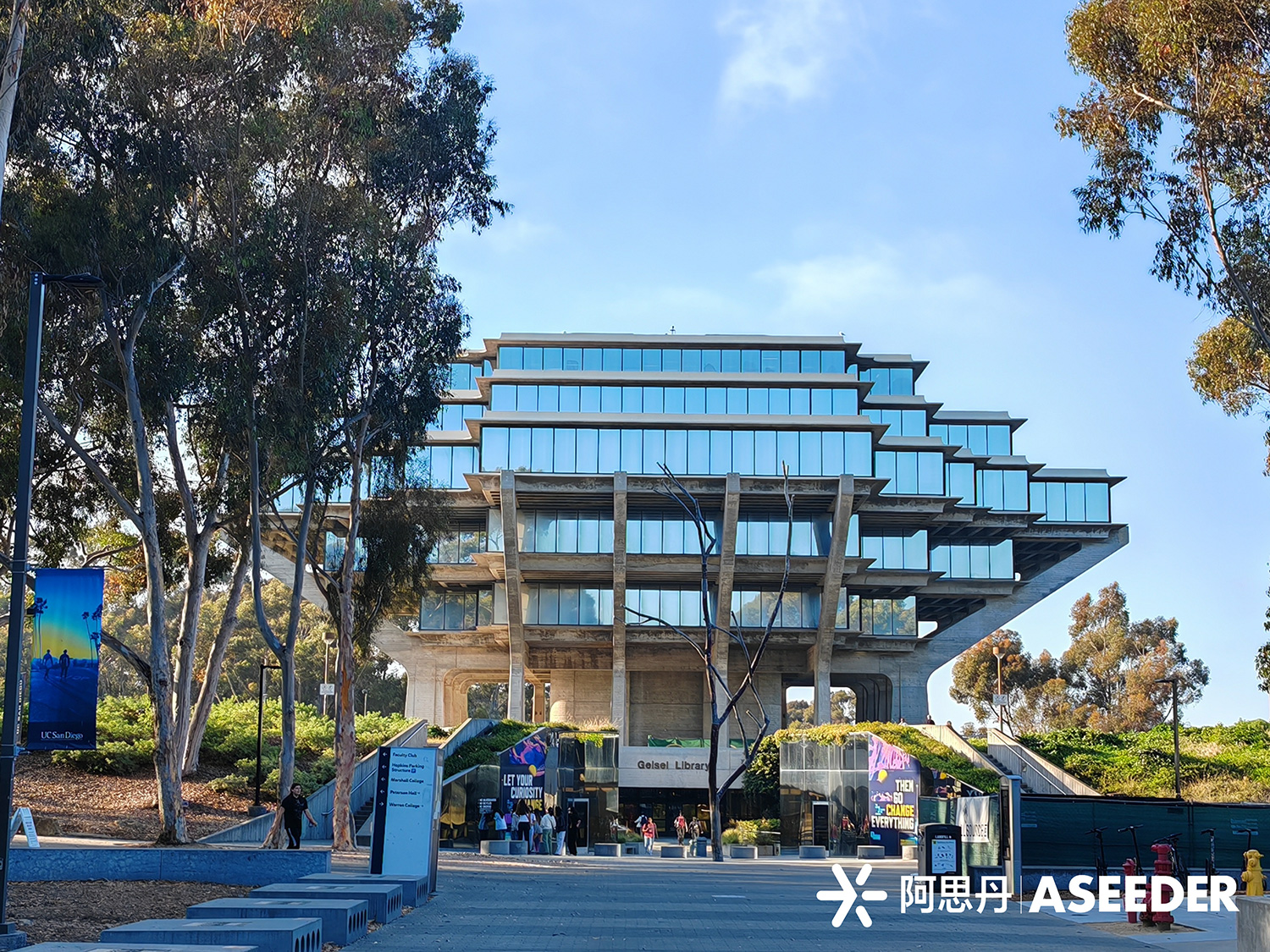
University of California, San Diego (UCSD), located in San Diego, California, is one of the 10 campuses of the UC system in the US. As a major research university in North America, it has demonstrated academic strength in the disciplines of Biological Sciences (QS #11), Pharmacy & Pharmacology (QS #7), and Medicine (QS #22). UCSD has a global presence in the biomedical field, with top research institutions such as the Muir Cancer Center(an NCI-designated cancer center) and the UCSD Neuroscience Institute. The UCSD campus is ideally situated along the coastline, providing students with an excellent learning and living environment.
Course Descriptions

Students may select one preferred course when registering. As places are limited, Rosetta will make every effort to place students in their selected course. If the preferred course is full, students may be reassigned to another available course. Final placements will be announced on site.

Course 1: Molecular Immunology

Molecular immunology developed after the establishment of the concepts of antigens and antibodies and the establishment of serology. The course will examine the composition, structure, function, and interaction of the immune system at the molecular level. This includes a wide range of immune molecules such as immunoglobulins, antigens, the complement system, and immune regulatory factors. Molecular immunology plays an important role in the diagnosis and treatment of tumors, autoimmune and infectious diseases, and vaccines development.

Course Content:
  • Examine the function and regulation of the immune system at the molecular level
  • Illustrate viral and bacterial infections such as Covid-19 and tuberculosis, immunodeficiency disorders such as HIV/AIDS, and autoimmune diseases such as lupus
  • Discuss the human microbiome, the role of inflammation in tumor development and type 2 diabetes, allergy, vaccine/antibiotic development.

Course 2: Molecular Biology of Cancer

Molecular Biology of Cancer is the study of the mechanisms of carcinogenesis, development, and treatment, exploring the abnormal changes in cancer at the molecular level, such as gene mutations, epigenetic alterations, and dysregulation of signaling pathways. Molecular Biology of Cancer not only focuses on the biological characteristics of cancer cells but also translates the understanding at the molecular level into effective therapeutic strategies, such as targeted therapy and immunotherapy, providing an important scientific basis and technical means for cancer prevention, early diagnosis, and individualized treatment.

Course Content:
  • Examine the normal molecular and cellular biology to provide a foundation for discussion of how cancers develop
  • Discuss the ene mutation/DNA repair, cell death (apoptosis), angiogenesis, metastasis, cancer stem cells, etc.
  • Explore the latest developments in personalized medicine, and tumor immunology/immunotherapy

Course 3: Molecular Neuroscience

Molecular Neuroscience focuses on the study of the structure and function of the nervous system and its interactions at the molecular level. Combining the multidisciplinary approaches of molecular biology, genetics, cell biology, etc., it explores nerve cell information transmission, neuronal signaling, etc., to reveal the working principle of the brain, and provide support for the treatment of Alzheimer’s disease, Parkinson’s disease, etc., drug target discovery, drug screening and evaluation, emotion regulation, and memory processing.

Course Content:
  • Explore the normal neurobiology based on normal molecular biology on a molecular level, including topics such as action potentials, memory, emotion, learning, and visual perception.
  • Focus on neurological disorders such as Alzheimer’s, schizophrenia, and depression, including strategies for pharmaceutical intervention.

Course 4: Bioinformatics of Aging

Bioinformatics of Aging, as an interdisciplinary research combining bioinformatics and aging study, utilizes RNA sequencing, DNA methylation microarrays, and other histological technologies to explore in depth the development and application of aging clocks, mining genomic, transcriptomic, proteomic, and metabolomic data to reveal the aging signaling pathways, search for aging biomarkers, and explore the screening of drug targets and the development of anti-aging drugs. Bioinformatics of Aging provides an important scientific basis and new ideas for understanding aging mechanisms and developing anti-aging drugs and therapies.

Course Content:
  • Explore the molecular mechanism of aging and aging-related diseases
  • Discuss topics such as embryogenesis, stem cell biology, telomeres, and senescence
  • Emphasize next-generation therapeutic strategies to slow the aging process and extend the lifespan
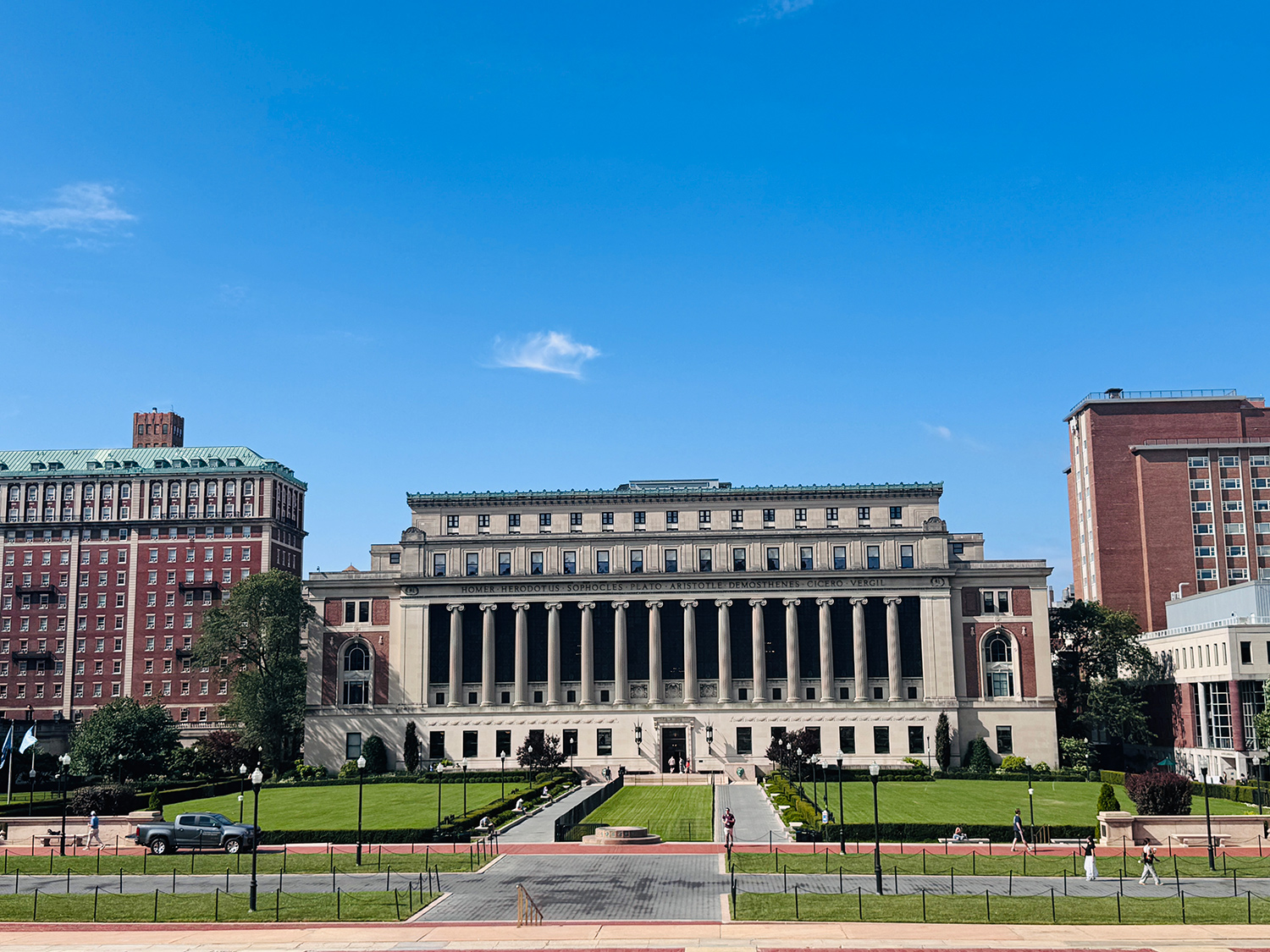
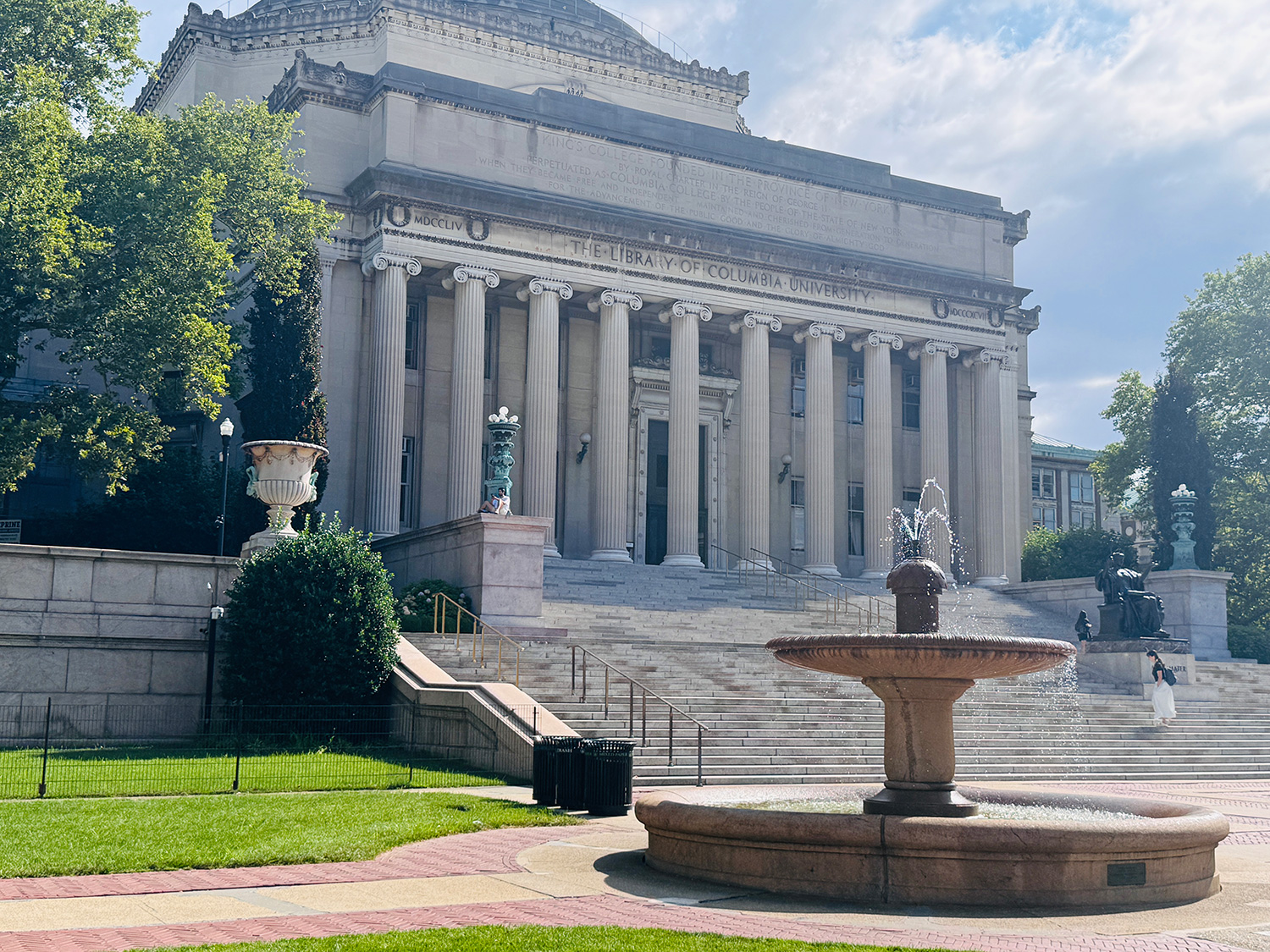
Columbia University is a prestigious member of the Ivy League. Situated in Manhattan, New York City, this world-class research university ranks 10th in the 2025 US News and 38th in the QS rankings. Columbia University excels particularly in Bioscience (QS #17), Medicine (QS #17), Anatomy and Physiology (QS #8). With 87 Nobel Prize winners and Nobel-affiliated scientists among its alumni, 10 of whom currently serve as faculty members. Additionally, it boasts numerous presidents, entrepreneurs, and artists. Surrounded by abundant artistic and cultural resources, Columbia stands as an ideal destination for academic researchers.
Course Descriptions

Students may select one preferred course when registering. As places are limited, Rosetta will make every effort to place students in their selected course. If the preferred course is full, students may be reassigned to another available course. Final placements will be announced on site.

Course 1: Bioinformatics of Cancer

Cancer bioinformatics combines knowledge from many fields, including computer science, statistics, and molecular biology, to advance cancer research and clinical treatment by analyzing big data from cancer patients. It reveals the molecular mechanisms of cancer, predicts the progression of cancer, and discovers new therapeutic targets. In addition, the field also focuses on the study of immune escape and heterogeneity of cancer, as well as the mining of potential cancer biomarkers to provide strong support for early diagnosis, prognosis assessment, and treatment ideas. Course Content:
  • Cancer Mechanisms: Explore cancer biological processes such as gene mutation, DNA repair, cell death, etc
  • Cancer Therapy: Angiogenesis, metastasis, cancer stem cells, personalized medicine.
  • Tumor Immunology/Immunotherapy: Principles of tumor immunology and application of immunotherapy in cancer treatment.

Course 2: Immunologic Bioinformatics

Immunologic Bioinformatics combines immunology and bioinformatics, using computer science and statistics to analyze immunological data. It often involves a large amount of experimental data, such as RNA sequencing, single-cell sequencing, and flow cytometry data. It focuses on immunomics, especially on the interaction of T-cell receptor (TCR) and B-cell receptor (BCR) with antigens, sequence analysis, as well as immunophenotyping, antigen prediction, and vaccine design. In addition, it is committed to the research of immunogenomics and individualized immunotherapy, providing a theoretical basis for tumor immunotherapy. Course Content:
  • Immune Defense and Disease: The normal role of the immune system in combating viral and bacterial infections, such as Covid-19 and tuberculosis, immunodeficiency disorders such as HIV/AIDS, and autoimmune diseases such as lupus and type 1 diabetes that arise due to a hyperactive or poorly controlled immune system.
  • Microbiome and Immunity: The human microbiome, the role of inflammation in tumor development and type 2 diabetes, allergies, vaccine and antibiotic development, emerging viruses, and cancer immunotherapy

Course 3: Cancer Bioinformatics with R

The R project is one of the most widely used analytical tools in bioinformatics, providing robust support for cancer data processing, visualization, and model building. This course employs R as the platform for analysis, integrating knowledge from computer science, statistics, and molecular biology. By efficiently processing large-scale biological data, such as cancer genomics and transcriptomics, it aims to uncover molecular mechanisms of cancer development, characterize genetic variations, and identify potential therapeutic targets. The course focuses on key areas including data visualization, biomarker screening, and treatment outcome prediction, offering precise data-driven support for early cancer diagnosis, optimization of personalized treatment plans, and the development of anti-cancer drugs.

*No previous R experience is required; all R skills will be taught from the basics. Students should bring a Mac or Windows computer for course-related data analysis.

Course Content:
  • Fundamentals of Molecular Neurobiology: Examine neurobiological phenomena such as action potentials, memory, emotion, learning, and visual perception.
  • Neurological Disease: Investigate conditions like Alzheimer’s Disease, schizophrenia, depression, and addiction, along with drug-based interventions and therapeutic strategies.
  • Brain-Computer Interfaces & Neural Rehabilitation: Examine how technological approaches can enhance neural system function and support recover

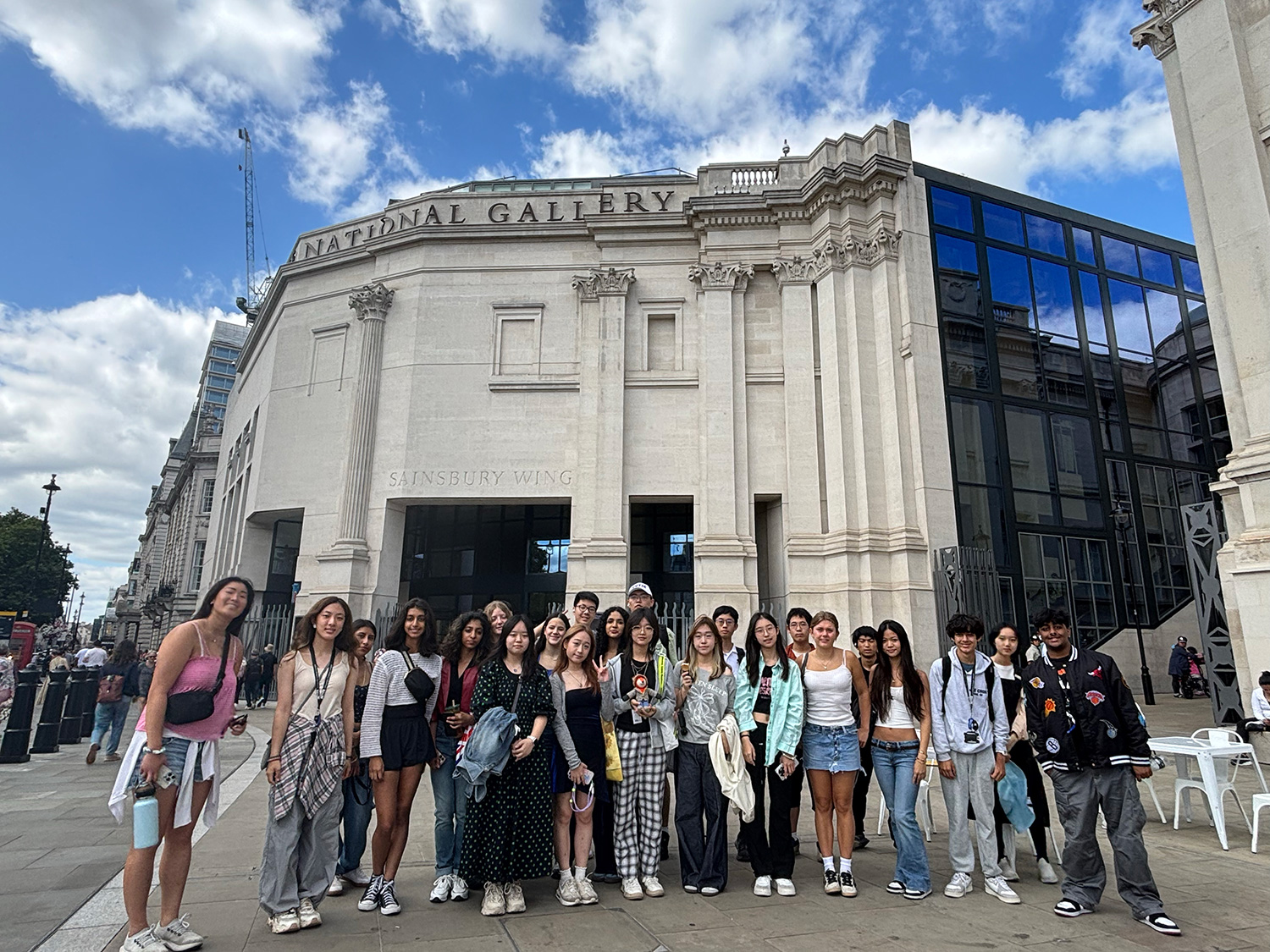
University College London (UCL), as a globally recognized comprehensive research university, is part of the Golden Triangle, a G5 super-elite university, and a member of the Russell Group of Universities. UCL is ranked 9th in the 2025 QS World University Rankings, with its Pharmacy and Pharmacology (QS #3), Medicine (QS #8), and Bioscience (QS #16), all of which have demonstrated outstanding subject strength. UCL enjoys an excellent reputation in biomedical sciences, and its medical school is not only the first one to systematically teach medical courses in the UK but also a global leader in teaching and research.
Course Descriptions
Students may select one preferred course when registering. As places are limited, Rosetta will make every effort to place students in their selected course. If the preferred course is full, students may be reassigned to another available course. Final placements will be announced on site.

Course 1: AI-Enhanced Bioinformatics

With the development of AI technology, Bioinformatics plays a more significant role in Biomedicine research, especially in the fields of clinical diagnostics, gene-based drugs, biologic drug targets, and cancer diagnostics. The development of high throughput biological testing technology and gene editing technology has generated a large amount of complex data, and AI plays a key role in the analysis and mining of this data. In 2024, several Nobel Prizes in various fields are related to AI research, marking the far-reaching impact of AI on scientific research and practical applications in various disciplines. In this course, students will study the analysis and application of biological data, covering the basics, protein structure prediction, genomics, AI technology, big data analysis, etc., fostering students’ theoretical and practical abilities to adapt to the new paradigm of life science research.

Course Content:
  • The Introduction to Bioinformatics: Concepts of bioinformatics, development history, fundamentals of biology, computer and network fundamentals, mathematical fundamentals.
  • Genomics and Proteomics: Deep learning analysis techniques for genomics data, deep learning analysis techniques for transcriptomics data.
  • Prediction and Analysis of Protein Structure: Prediction and analysis of protein structure and the use of visualization software.
  • AI in cancer diagnosis: How to combine AI technology and bioinformatics methods to assist cancer diagnosis and treatment, including analysis of cancer-related data, identification of biomarkers, and design of personalized treatment plans.

Course 2: Developmental Biology

Developmental biology examines how a single fertilized cell grows and differentiates into the complex tissues and organs of the human body, focusing on cell fate determination, tissue and organ formation, and the molecular mechanisms underlying developmental abnormalities. This field reveals the core logic of life construction and serves as an important foundation for regenerative medicine, stem cell research, and the diagnosis of developmental diseases. With advances in gene editing and imaging technologies, developmental biology has entered an era of precision and quantification. This course will help students understand the key stages of development and illustrate the principles of early life construction using classic model organisms as examples.

Course Content:
  • Investigate the developmental processes from fertilization to organ maturation
  • Analyze the regulatory mechanisms of genes and signaling pathways in development
  • Examine typical biological development cases, such as embryonic development and tissue regeneration
  • Study advances in stem cells, germ cells, organogenesis, and related areas
 Sample Schedule 

Time 9:00-12:00 13:30-17:00 17:00及以后
Arrival Arrive at the destination and Check-in to Dormitor Opening Ceremony & Welcome Session
Monday - Friday Complete the course under the guidance of instructors:
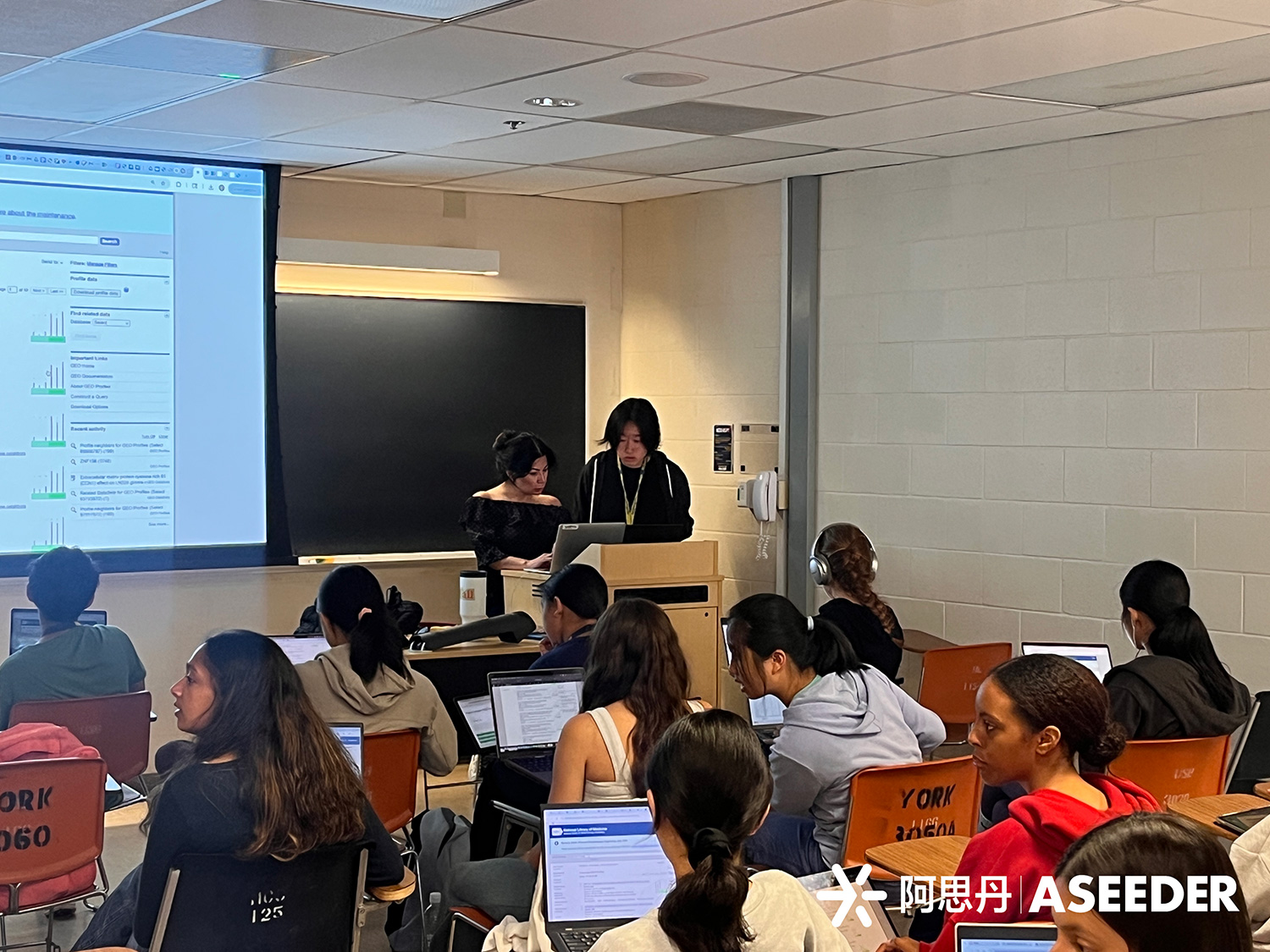
• Academic lecture: Mainly based on theoretical learning, with varying degrees of experimental components across different subjects. The overall content aligns well with senior-level biology challenges.
• Research: The research format depends on the specific course and may include deliverables such as mini-research reports, essays, or PowerPoint presentations. The final work will be presented either as a group or individually. Students will progressively advance their tasks under the daily guidance of instructors, step-by-step completing the end-to-end process from topic selection, analysis, and presentation. Specific details will be announced by the instructor in class.
• Dinner
• Group Activities: College Q&A / Dormitory Team Building / Board Games / Movie Screening / Handicrafts / American Football
• Free Time
Weekends Weekend Activities: Organized city exploration, such as visits to local museums, zoos, markets, or other landmarks, allowing students to gain a deeper understanding of the host city and its cultural environment.
Monday - Friday Complete the course under the guidance of instructors:
• Academic lecture: Mainly based on theoretical learning, with varying degrees of experimental components across different subjects. The overall content aligns well with senior-level biology challenges.
• Research: The research format depends on the specific course and may include deliverables such as mini-research reports, essays, or PowerPoint presentations. The final work will be presented either as a group or individually. Students will progressively advance their tasks under the daily guidance of instructors, stepby-step completing the end-to-end process from topic selection, analysis, and presentation. Specific details will be announced by the instructor in class.
• Dinner
• Group Activities: College Q&A / Dormitory Team Building / Board Games / Movie Screening / Handicrafts / American Football
• Free Time
Departure Return to China

* Please be subject to the final arrangement of the Rosetta Institute of Biomedical Research Summer School. Due to the 13-day duration in UCL, students will also attend academic courses on Sunday afternoon to ensure that all the course content is fully covered.

 Moments 

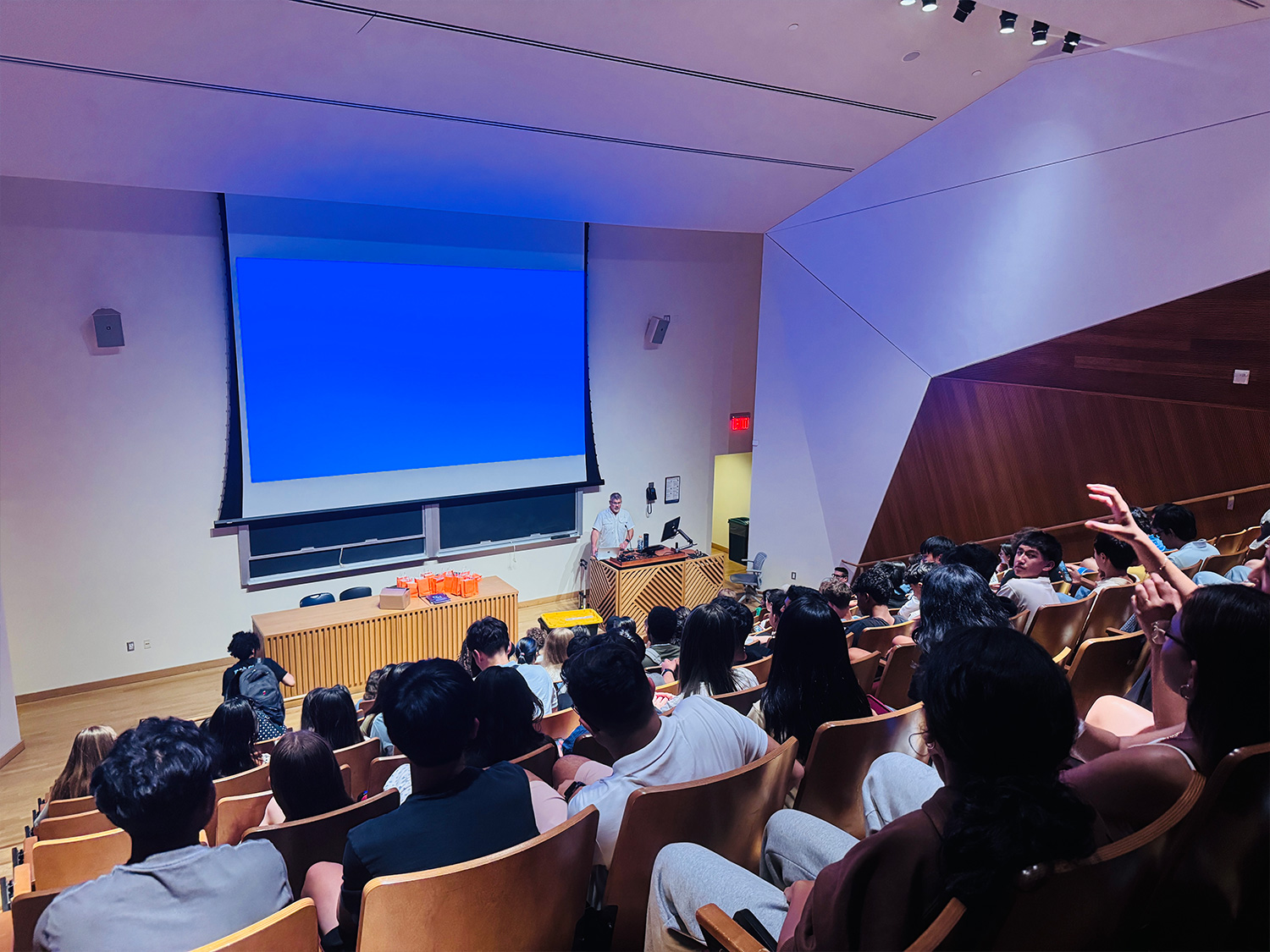
Academic Lectures

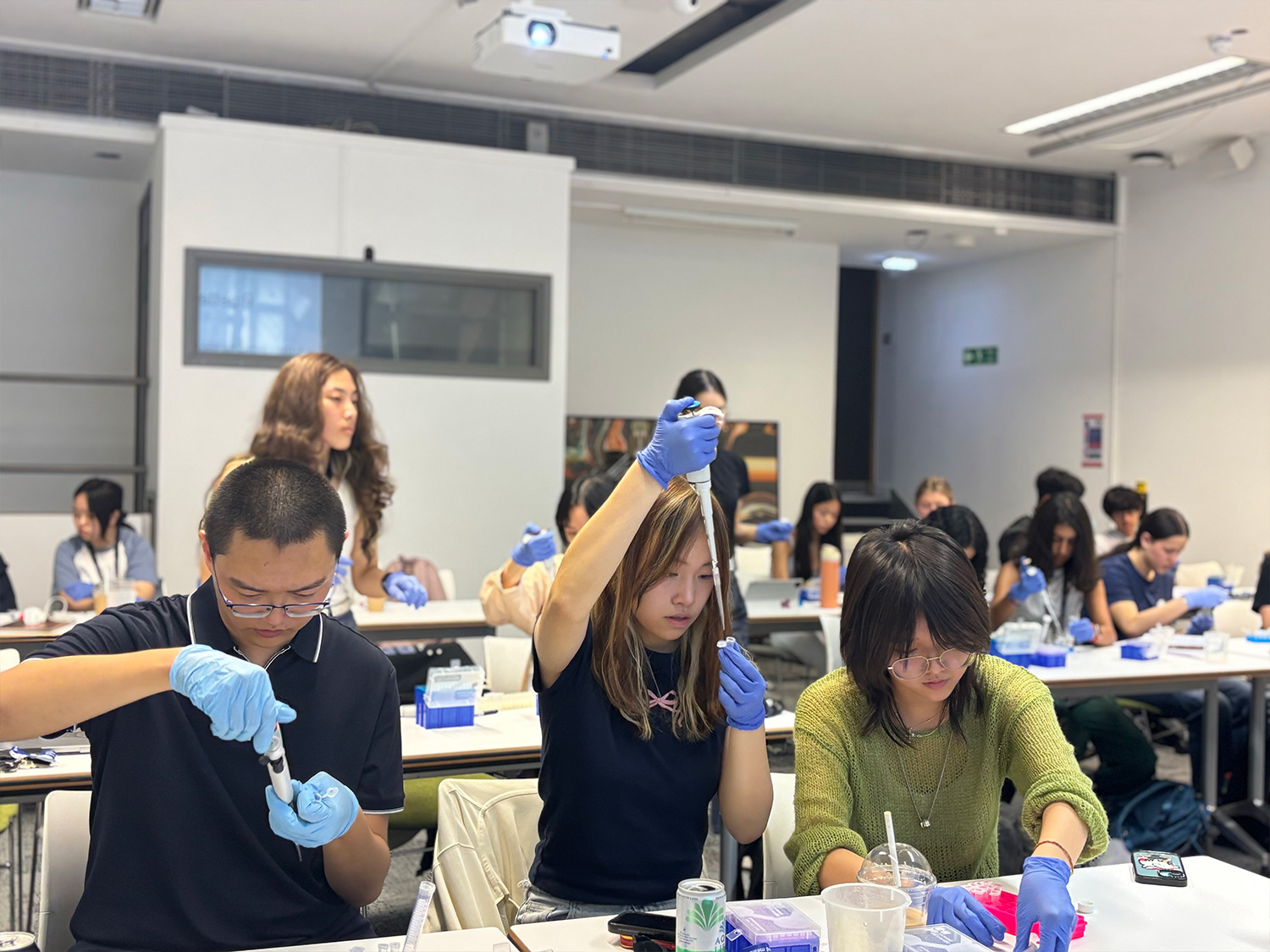
Hands-on Lab Work
Immersive Campus Life
Orientation Session
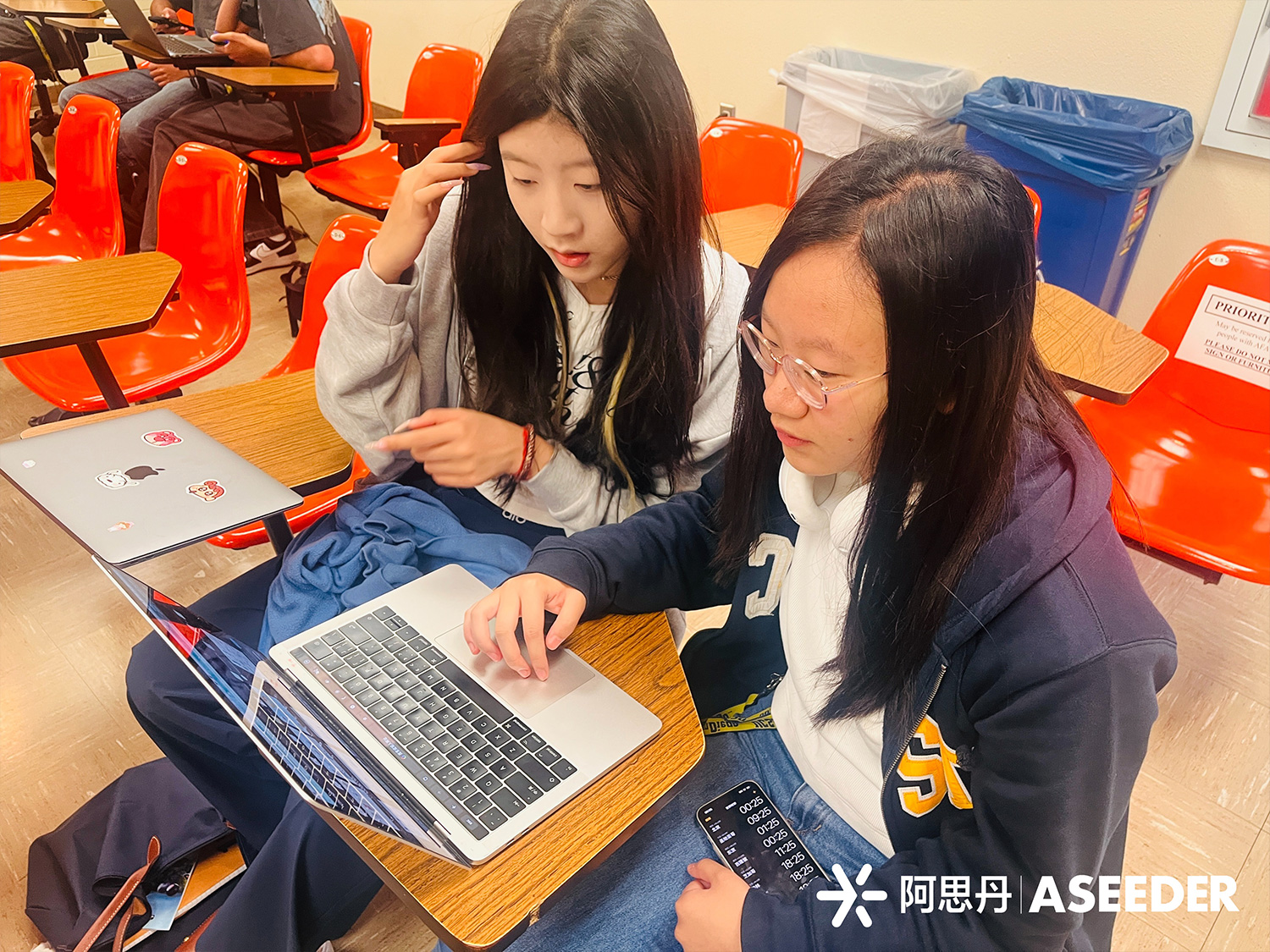
Research Exploration
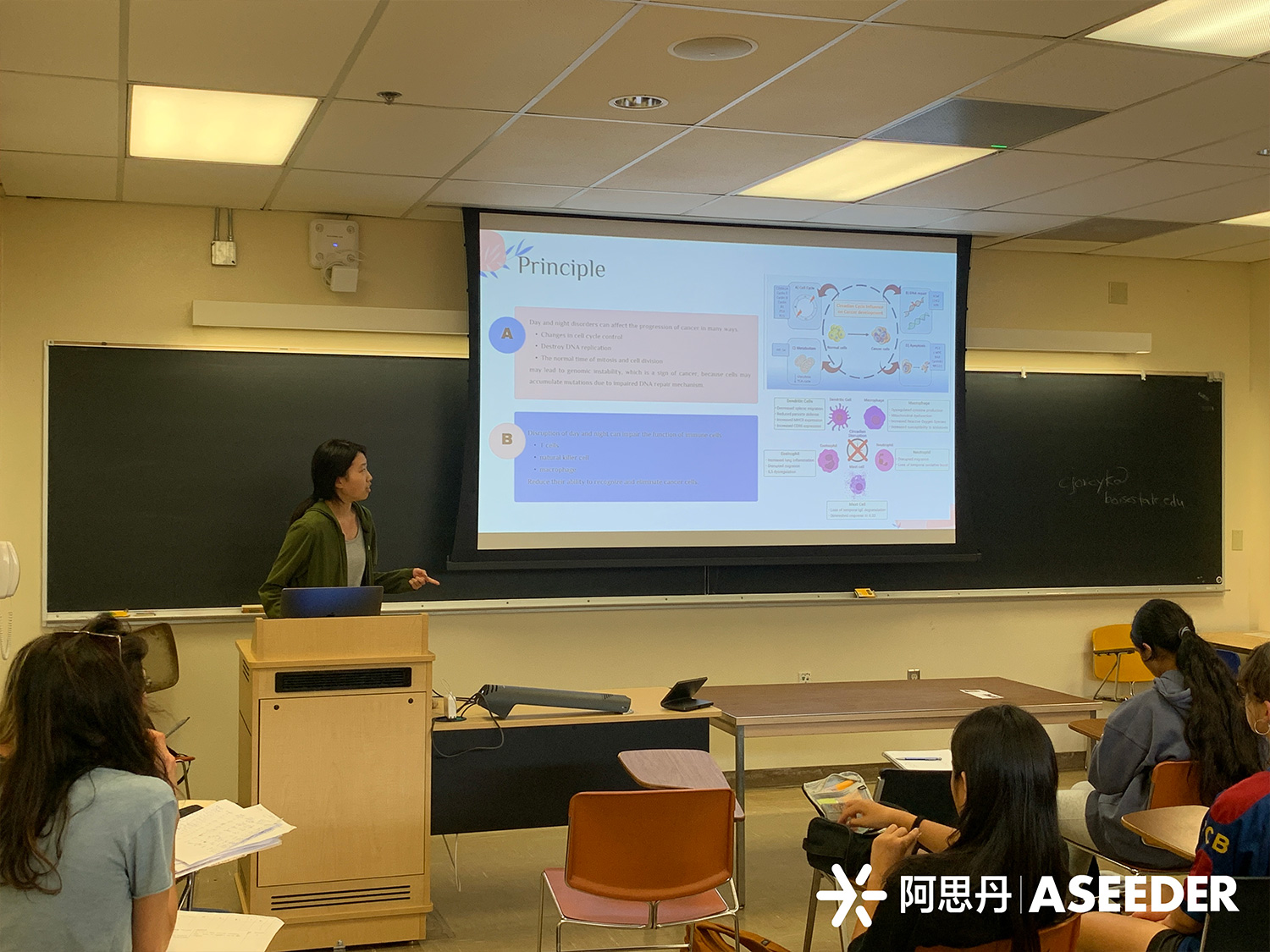
Final Presentation
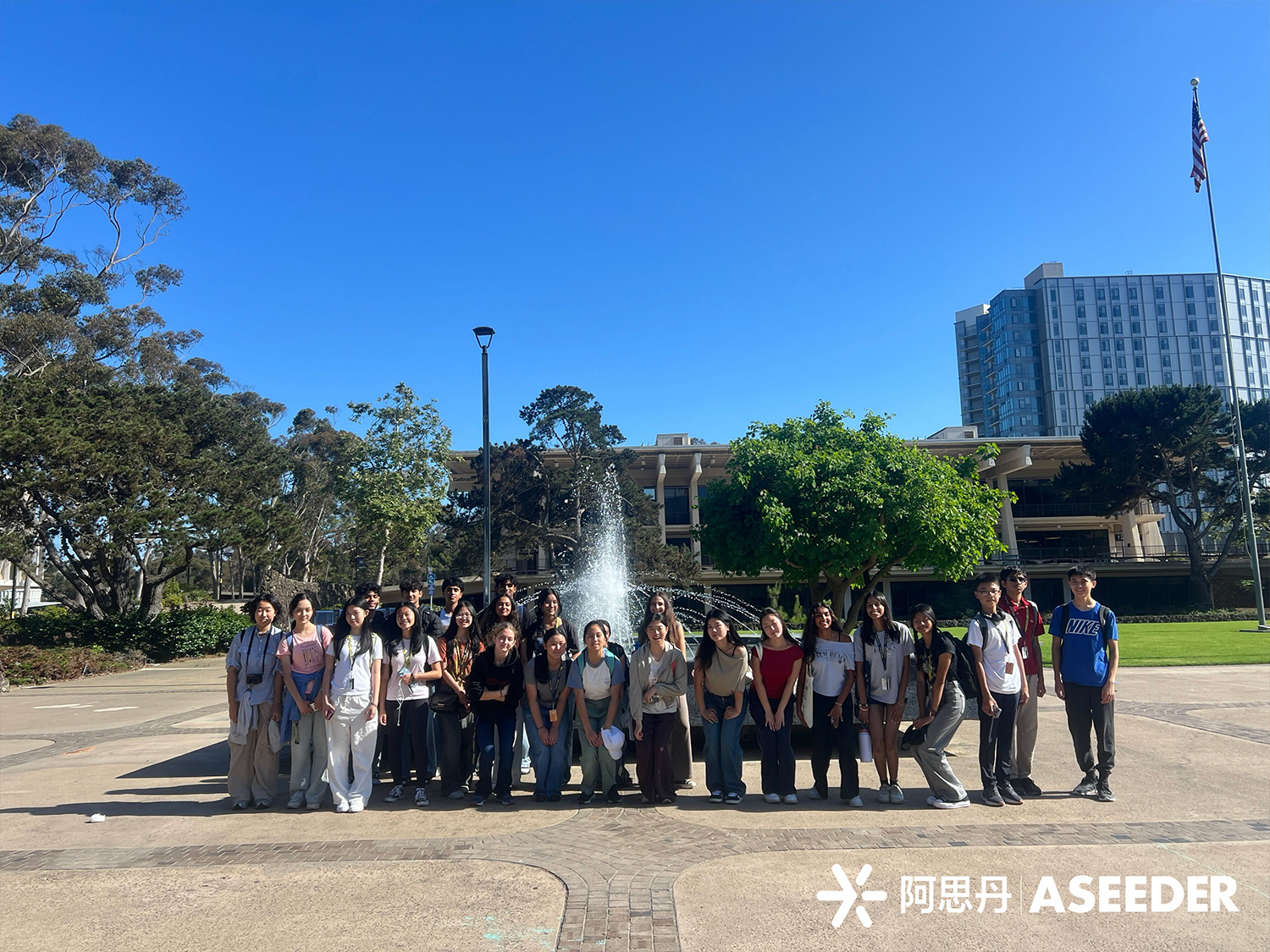
Weekend City Exploration
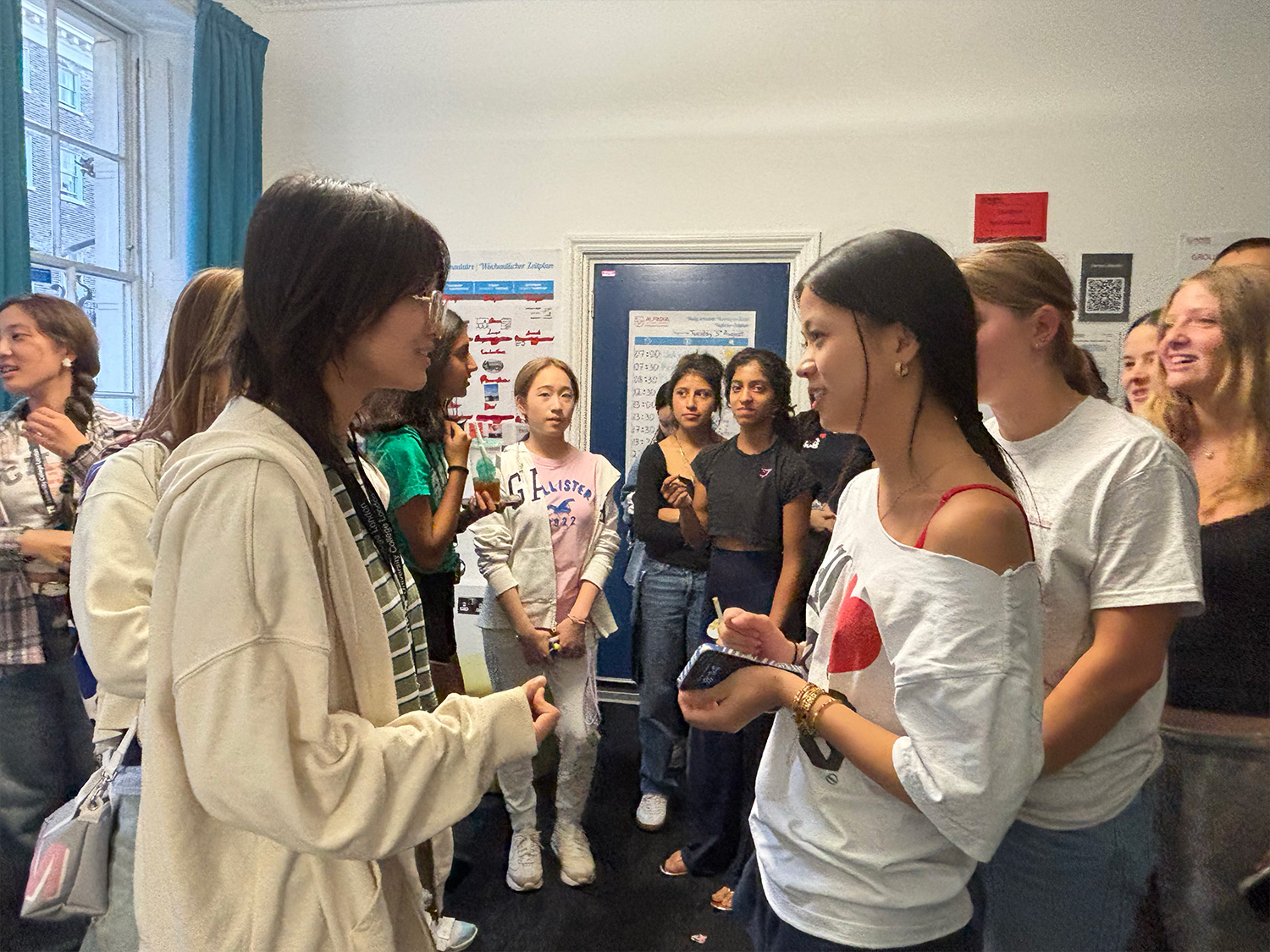
Dormitory Activities

 Application 

The Rosetta Institute of Biomedical Research Summer School - University of California, San Diego

Location: :San Diego, USA
Date: :Jul.5 - Jul.18, 2026 (14 Days)
Courses: :Molecular Immunology, Molecular Biology of Cancer, Molecular Neuroscience, Bioinformatics of Aging

The Rosetta Institute of Biomedical Research Summer School - Columbia University

Location: :New York, USA
Date: :Jul.19 - Aug.1, 2026 (14 Days)
Courses: :Bioinformatics of Cancer, Immunologic Bioinformatics, Cancer Bioinformatics with R

The Rosetta Institute of Biomedical Research Summer School - University College London

Location: :London, UK
Date: :Aug.3 - Aug.15, 2026 (13 Days)
Courses: :AI-Enhanced Bioinformatics, Developmental Biology

Requirements:

• English language level equivalent to IELTS level 6.0 or TOEFL 80
• A phone or online interview with an ASEEDER teacher if the above standard is not met.
Optional Publication Service: The final work of the program can be further developed into a research paper for journal publication through an additional service. (This service requires an extra fee; please consult an ASEEDER teacher for details.)
* The specific form of the course outcomes for the Rosetta Institute of Biomedical Research Summer School varies by course and is subject to the instructor’s final announcement. Students are encouraged to organize and document their research in a timely manner throughout the program to facilitate a smooth transition to the subsequent publication service.

Fee

* ASEEDER offers scholarship deductions of up to 1,000 RMB for students who have won awards in ASEEDER STEM Challenges. For more information, please check the ASEEDER official website or consult with an ASEEDER teacher.ASEEDER scholarship
Includes:
• Tuition, accommodation in on-campus dormitories (2-3 person shared rooms; Single room upgrades are available at UCL for a supplementary fee 3,900 RMB), meals, excursion and exploration, pick-up and drop-off fees between the airport to the UCSD / Columbia University / UCL (only for the same flight with ASEEDER), ASEEDER group leader service fee (The group leader will meet students at a designated city: Beijing/Shanghai/Shenzhen/Hong Kong, and travel with the group), international insurance, study materials.
Excludes:
1. International round-trip airfare (departing and arriving from Beijing/Shanghai/Shenzhen/Hong Kong); you can use a third-party service or ASEEDER’s unified service. (Please confirm with the responsible teacher at ASEEDER before purchasing tickets.)
2. Visa and Visa Service Fee (optional): 3,000 RMB for a US visa/2,400 RMB for a UK visa (ASEEDER Visa Worry-Free Guarantee Service: In the case of visa rejection, eligible applicants will either receive a full refund of the visa service fee or a complimentary re-application, and the full program fee will be fully refunded, ensuring no financial loss.)

Tailored to

Students in grades 10-12 with a foundational knowledge in the sciences, biology challenge experience, or interested in biomedical research.

 Contact Us