
【China】ASEEDER Talented Development Summer Camp

Accredited Institutions

North Central Association Commission on Accreditation and School Improvement (NCA CASI)
NCA CASI is recognized by the US Department of Education and has over 100 years of experience in enhancing educational quality

National Collegiate Athletic Association (NCAA)
An association consisting of over 1,000 universities and colleges in the US and Canada.

Advanced Placement Course Approval from College Board
College Board CEEB Code: 851091
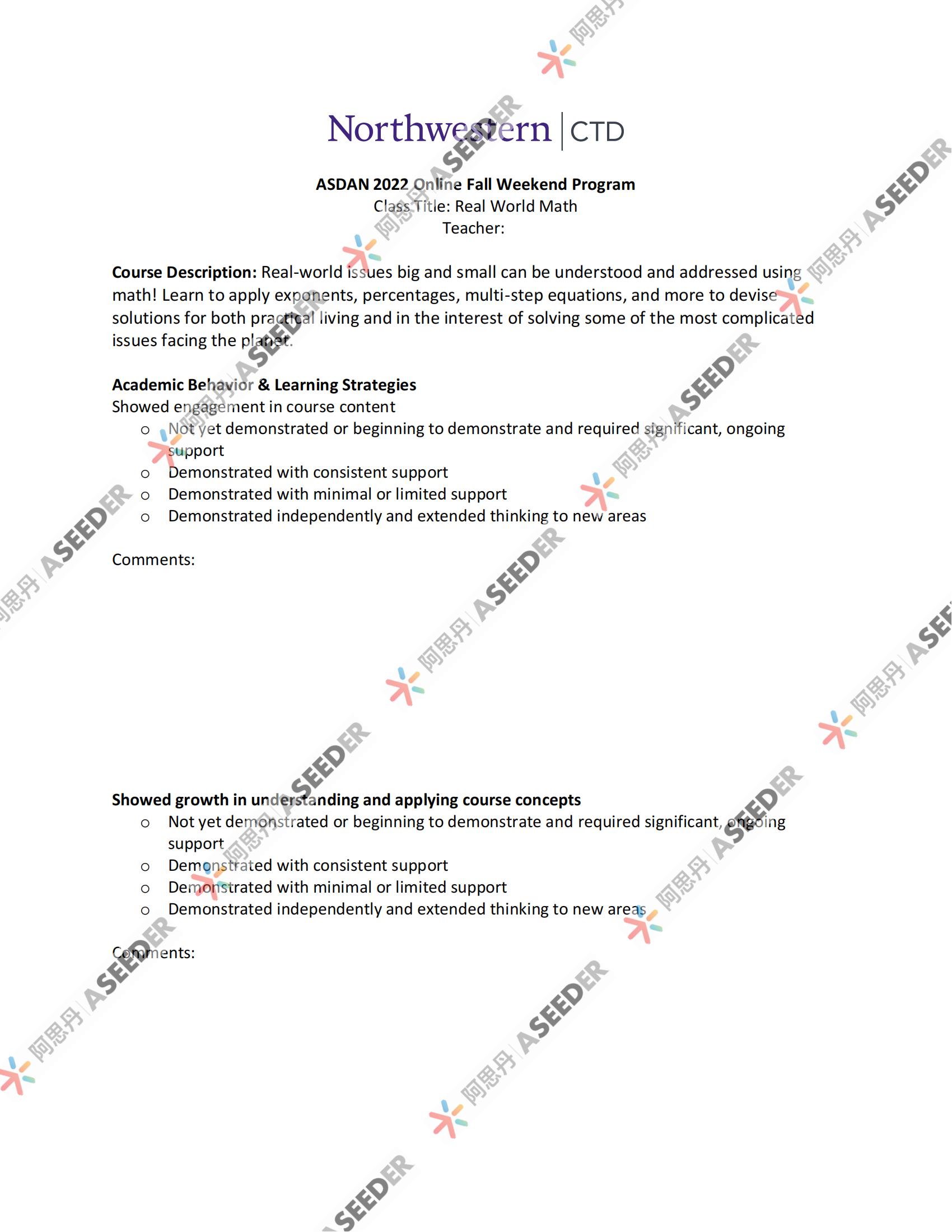
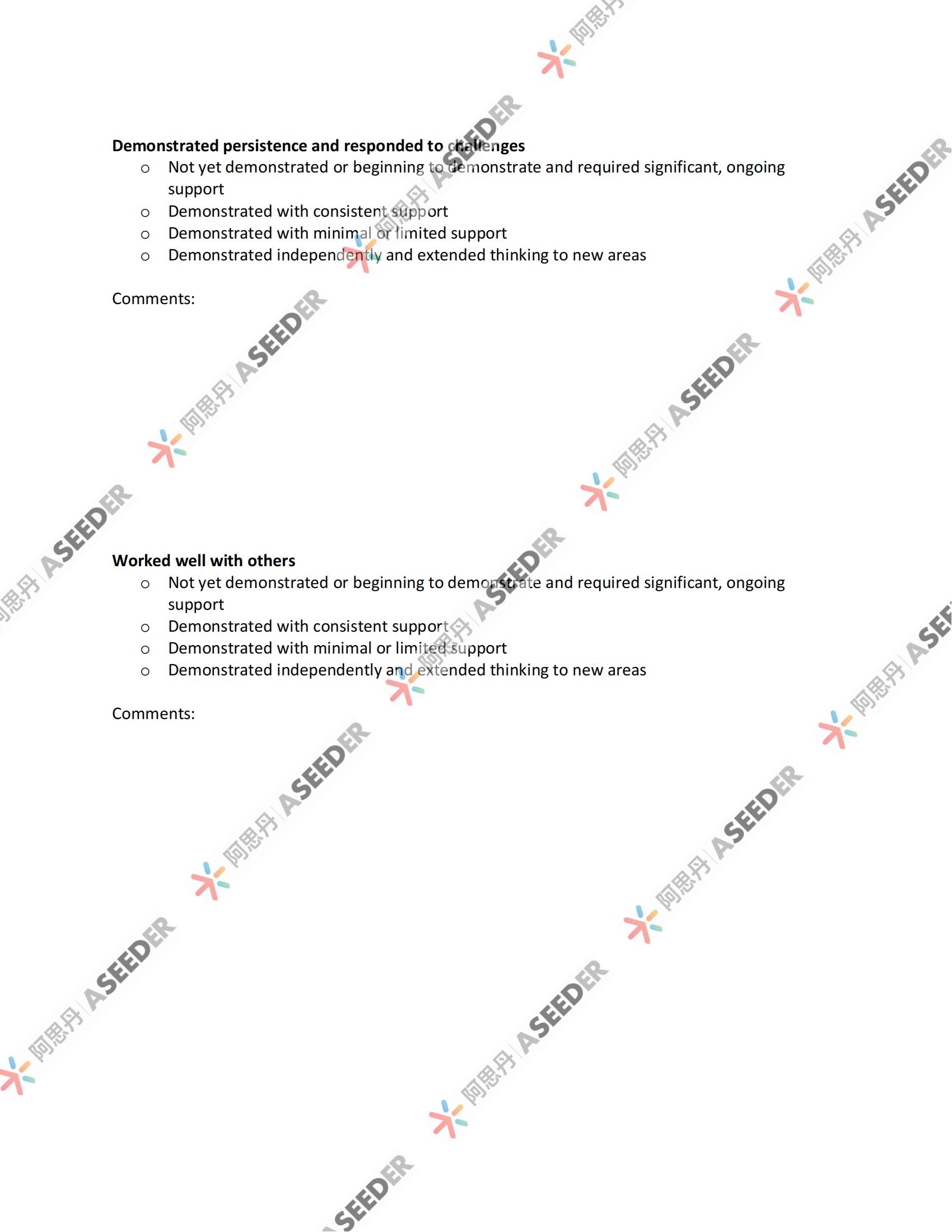
Evaluation Report Sample
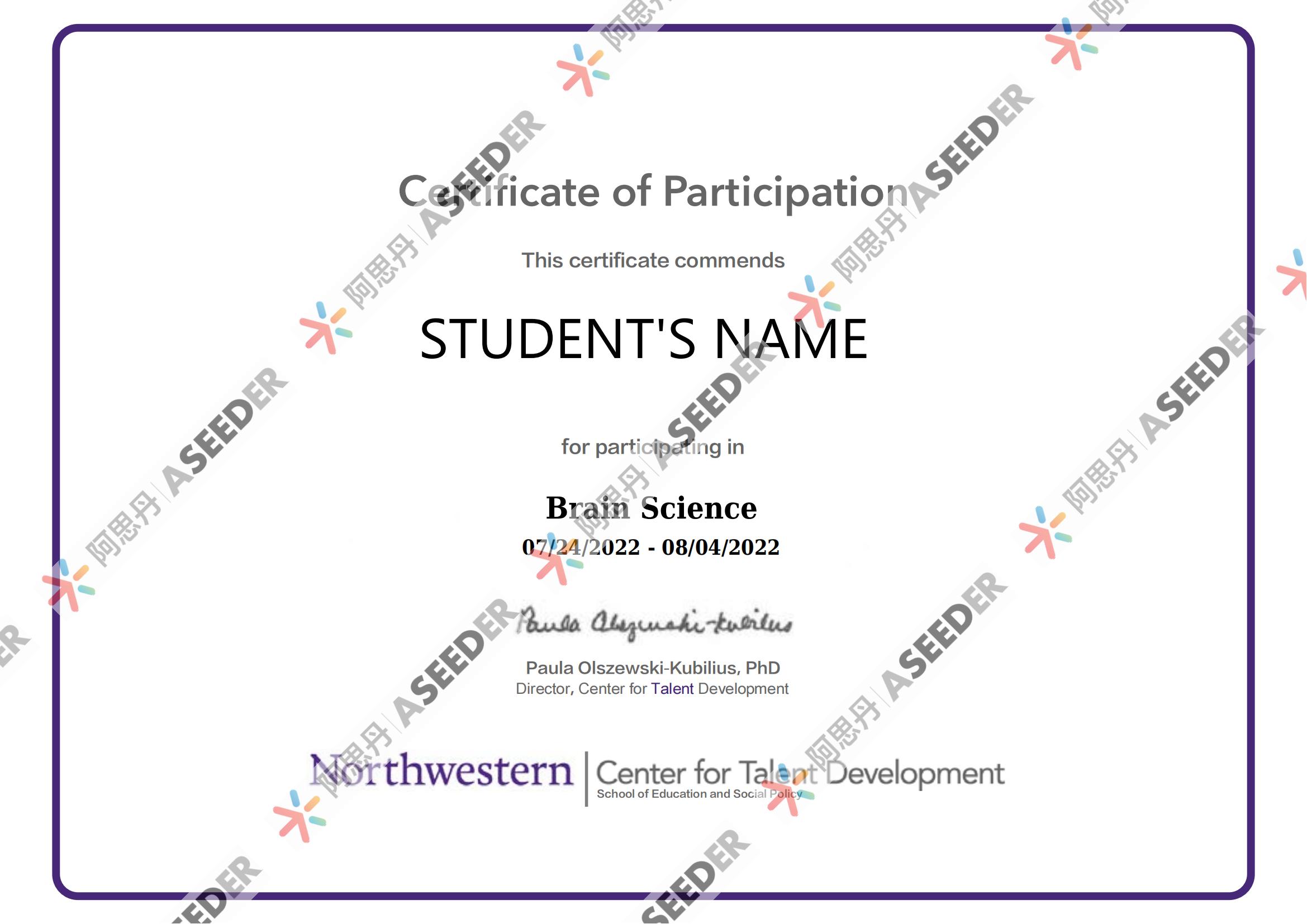
Completion Certificate Sample
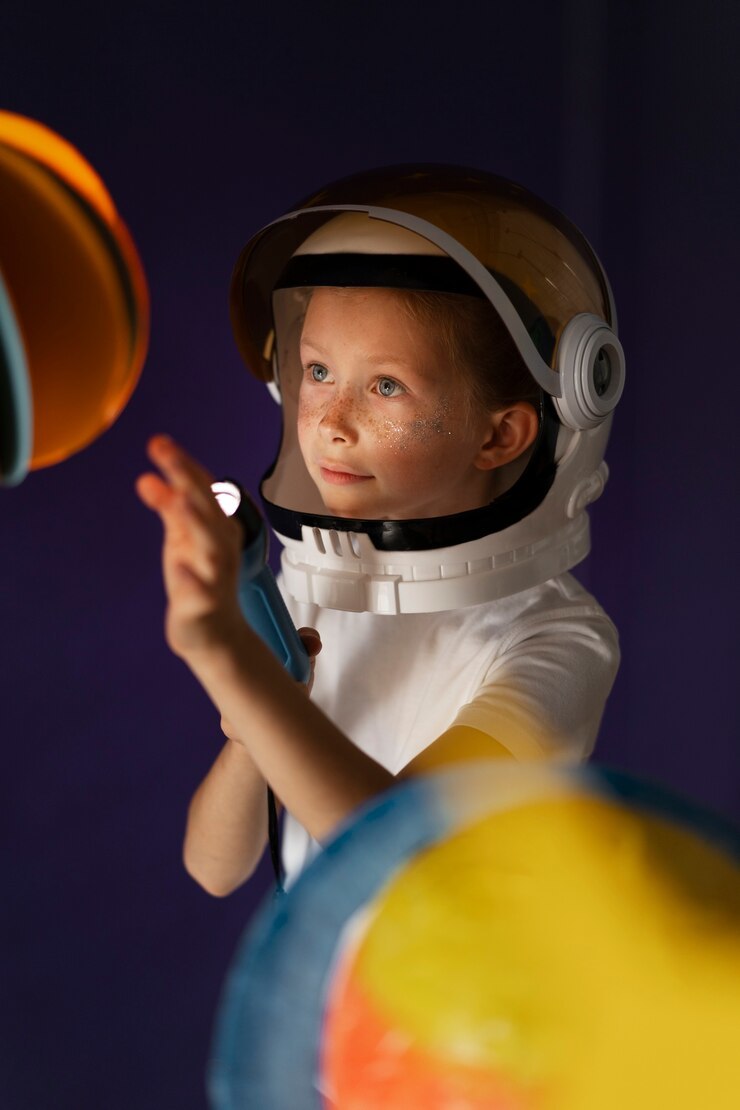
Life on Mars
Scientists have predicted that one day, a space colony will be established on Mars. Imagine you are an astronaut preparing to build and live in a space colony on Mars. What will you need to bring? How will you prepare? What will ensure the colony survives? Read fiction and nonfiction about the Red Planet. Make a plan to grow food. Build a prototype of the imagined colony in a strange new world.
Essential Questions- How to grow food in space?
- Create a plan for living in a space colony
- Research the science behind traveling in space and living on another planet.
- What kinds of rules and agreements might people need to get along in a space colony?
- Write stories about their space colony
Detective Math
A good detective looks for clues and investigates patterns to solve a mystery. Through interactive games and story-problem riddles, sharpen your detective skills. Identify patterns to break math codes, apply problem-solving strategies to decipher logic problems, and create simple equations based on the clues found.
Essential Questions- Identify increasingly complex patterns of shapes, numbers, letters, sounds, and symbols used to create secret messages or codes.
- Solve story problems by observing patterns and identifying elements that tell the reader what mathematical function is required.
- Identify“criminals” by using logic and math to solve cases.
- Create original story problems and logic puzzle mysteries.


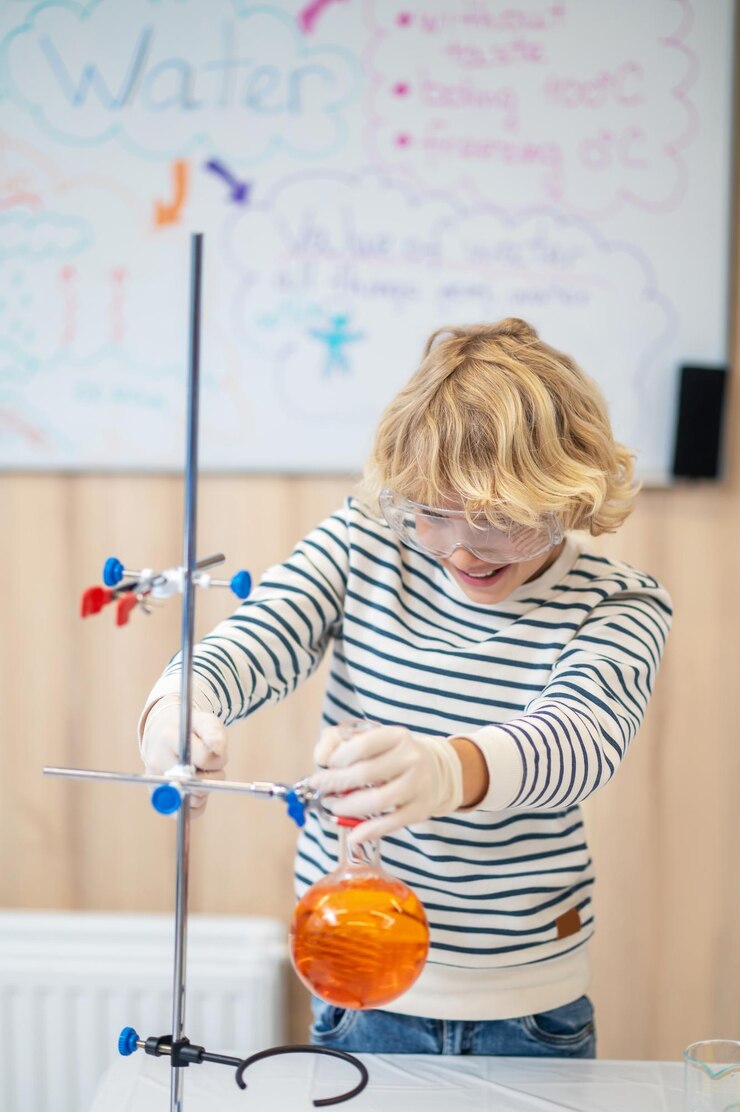
Chemistry: Liquids and Mixtures
Aspiring scientists develop their reasoning skills through exploration of the properties of liquids, solids, and gases including differences in shape, boundaries, visibility and stability. Students create their own unique mixtures and observe the fascinating (sometimes messy) results, and document their discoveries and conclusions.
Essential Questions:- Identify the characteristics of the different states of matter.
- Explore characteristics of chemical mixtures such as colloids and suspensions
- Carry out lab activities safely to answer questions about chemical mixtures.
- Document procedures and results of lab activities, including measurements and observations.
- Apply understanding of chemistry to invent questions that could be addressed by chemists to solve problems in everyday life or other contexts.
Physics Force and Motion
What begins as a question of speed becomes a fun ride on the road of creative reinvention, where design-engineering skills get better with every test drive. Discuss physics examples from human history and the animal world. Skills in computational thinking, observation, and data collection are critical for the ongoing study of engineering, physics, and other lab sciences.
Essential Questions:- Define and provide natural and man-made examples of Newton’s Laws of Motion
- Explain physics terms, such as force, acceleration, mass, friction, potential, and kinetic energy, using words, pictures or hands-on demonstrations.
- Experiment with moving objects and apply physics principles to independent and group projects.
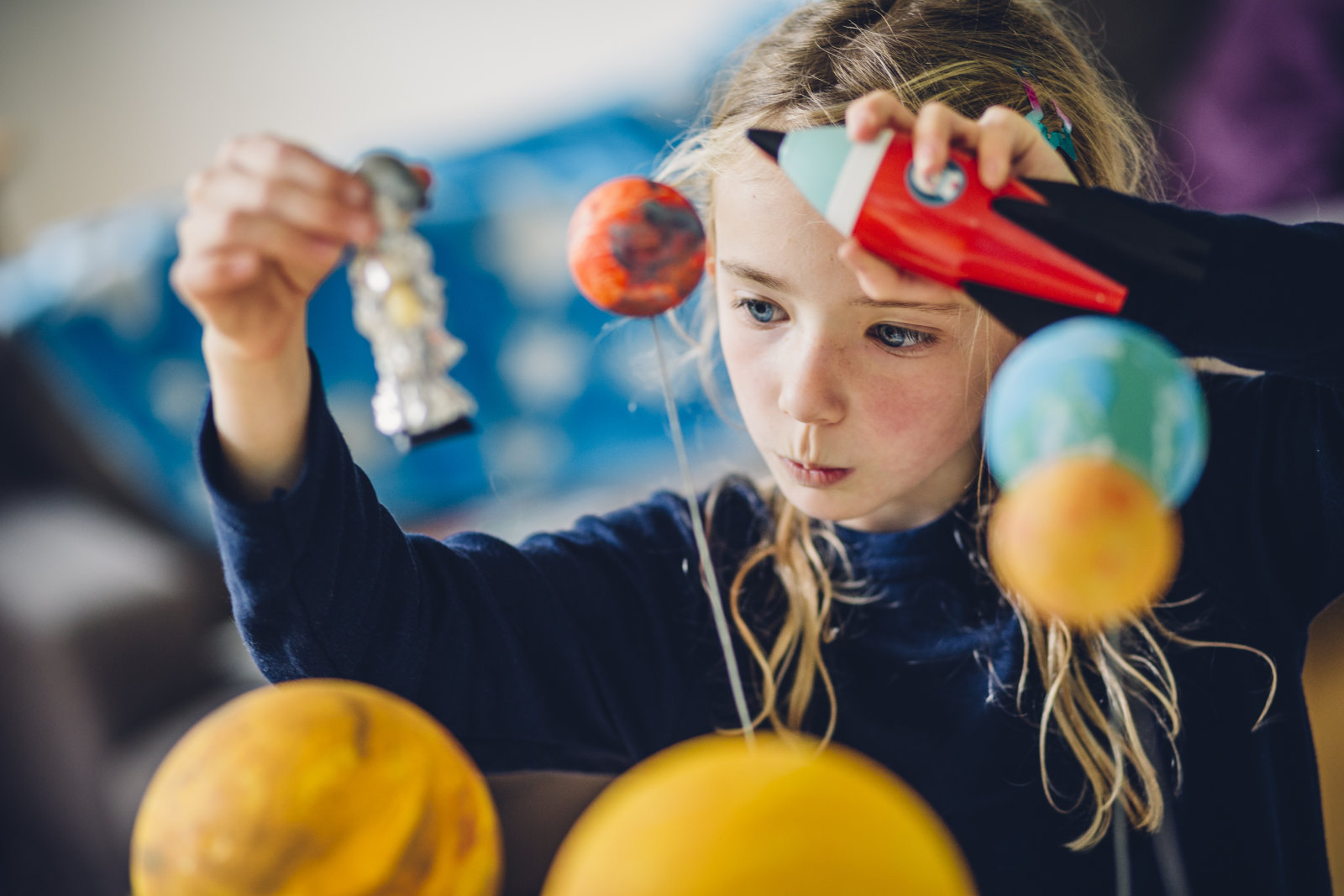
Surviving in Space
Do you want to design a Mission Launch? Do you want to solve the troubles in the space station? Try to be an engineer to feel confident working from planning, testing, to improving your launch, solving problems, to survive in space.
Essential Questions- Introduction to space engineering and space careers of aerospace or mechanical engineers.
- Engineering design process & Guided reflection: How engineers plan, test and improve.
- Design a balloon-powered vehicle that can move using only air power with limited materials and clear constraints.
- Understand how NASA and other space agencies solve problems.
- Begin engineering research poster.
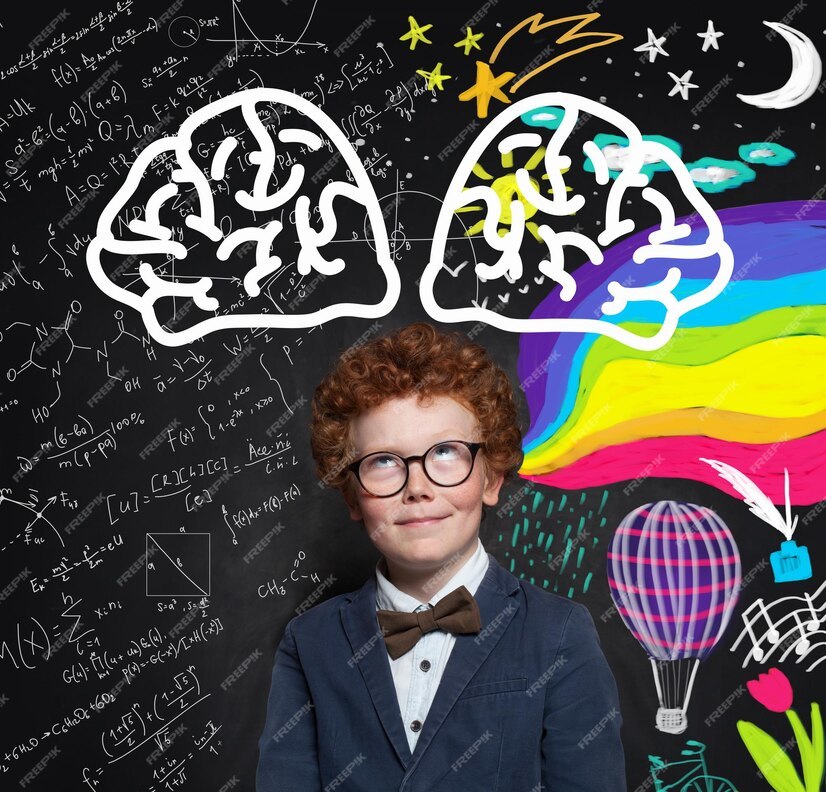
Brain Games: Math Logic
Explore and build a variety of mathematical, deductive reasoning, and logic puzzles to build problem solving strategies and stretch your “math mind!” Through independent and collaborative efforts, students strategize solutions and grapple with games as they learn about the similarities between how humans solve problems and how we program computers to solve problems.
Essential Questions- Discuss the defined ways in which the human brain and the machines it programs are similar and different.
- Develop and apply computational problem-solving skills to a range of math puzzles and challenges.
- Gain an understanding of computational thinking principles and apply them to puzzles of their own creation.
- Explain and analyze different strategies for solving math and logic puzzles to determine optimal methods to find solutions.
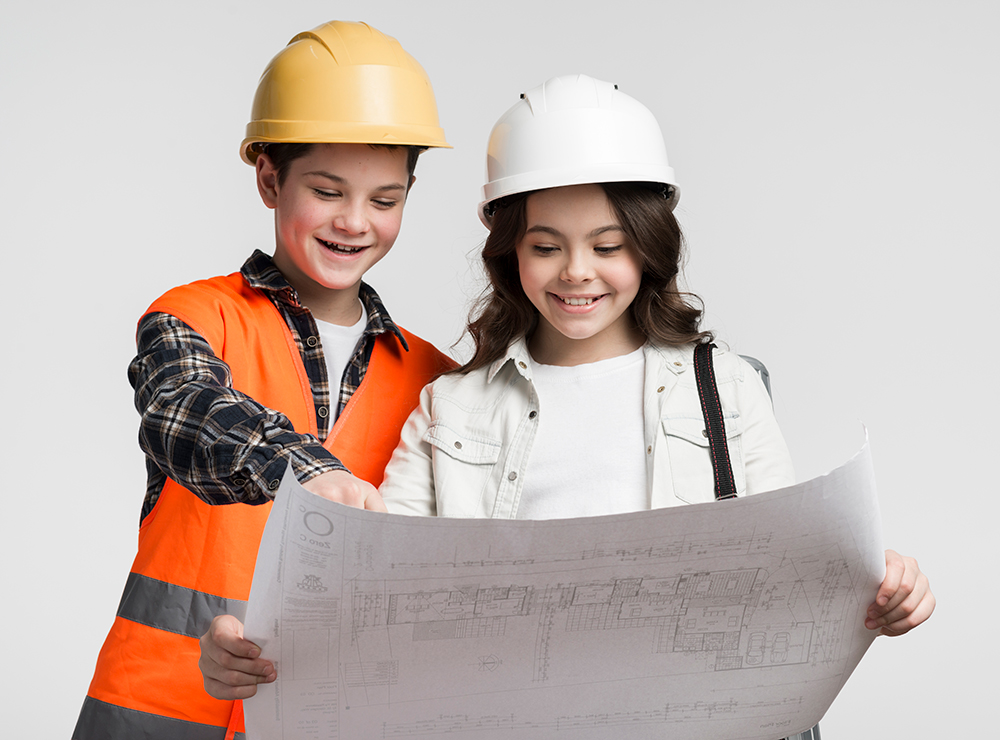
Engineering: Building Skyscrapers
Students explore the challenges faced by architects of tall towers and stupendous skyscrapers as they design and build models that express ideas from their own up-and-coming imaginations. Foundational knowledge of physics becomes stronger and design thinking skills soar with each iteration.
Essential Questions- Identify and define elements of skyscraper constructions such as beams, frames, columns, foundation, super construction and core.
- Explain concepts of structural engineering such as force, sway, wind flow, dead load, and live load.
- Explain the history of skyscrapers, including important innovations such as methods of steel production and elevators.
- Sketch, build, test, and improve models using the design engineering process.
- Imagine and plan a future skyscraper, including its design elements, purpose, and name.
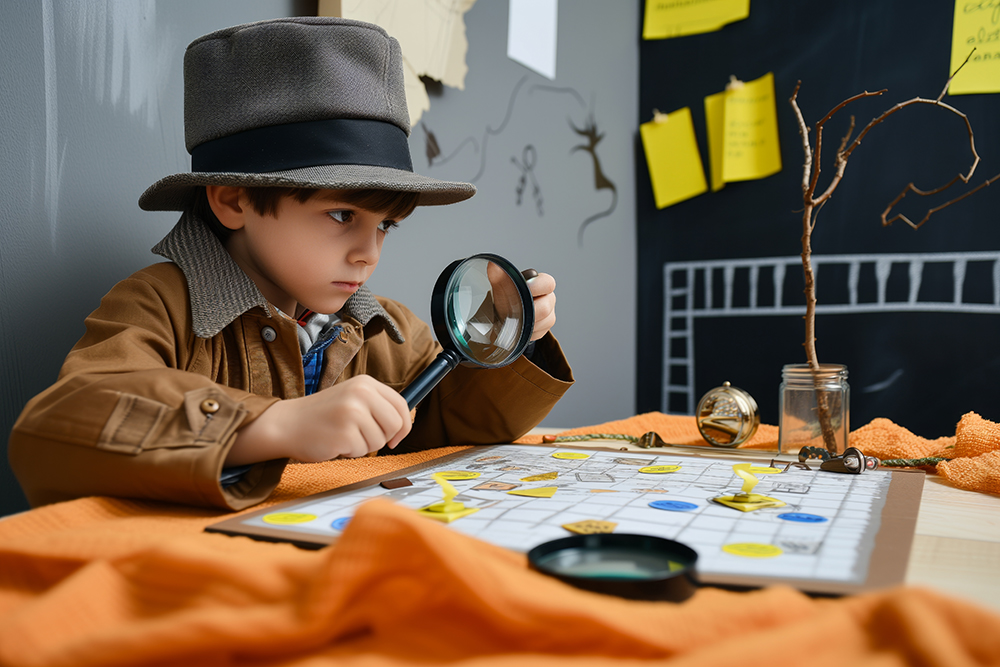
Super Sleuths
Act as new forensic investigators by learning how observation, evidence, and documentation work, such as documenting a crime scene, testing observation skills, and establishing the detective mindset, to hone their concentration, critical thinking, and detective science.
Essential Questions- Think like forensic scientists, understand the idea that investigators must rely on evidence.
- Introduction to crime scenes by documenting scenes, measuring from fixed points, and drawing walls, doors, windows, and evidence locations.
- Carefully observing and sketching a staged crime scene and small details.
- Introduction to eyewitness and memory, and the idea that brain can change or omit details.
- Issue mock arrest warrants and solve simulated cases to enhance logical thinking skills.

Math Puzzles & Games
Learn and apply critical math topics, such as probability, through games of skill and chance, including, but not limited to KenKen, Sudoku, and other games. Students will apply the concepts of risk analysis, expected values, and outcomes to create their own game and predict the success of the players.
Essential Questions- Know how to calculate theoretical and experimental probability.
- Understand multiple models for determining the probability of compound events.
- Understand the basic principles of permutations, combinations, and other counting methods to determine the number of ways events can occur.
- Gain deep insight into how they can approach challenging puzzles and games.
- Create a game of chance for the Expo and analyze its possible outcomes, fairness and likelihood of winning.
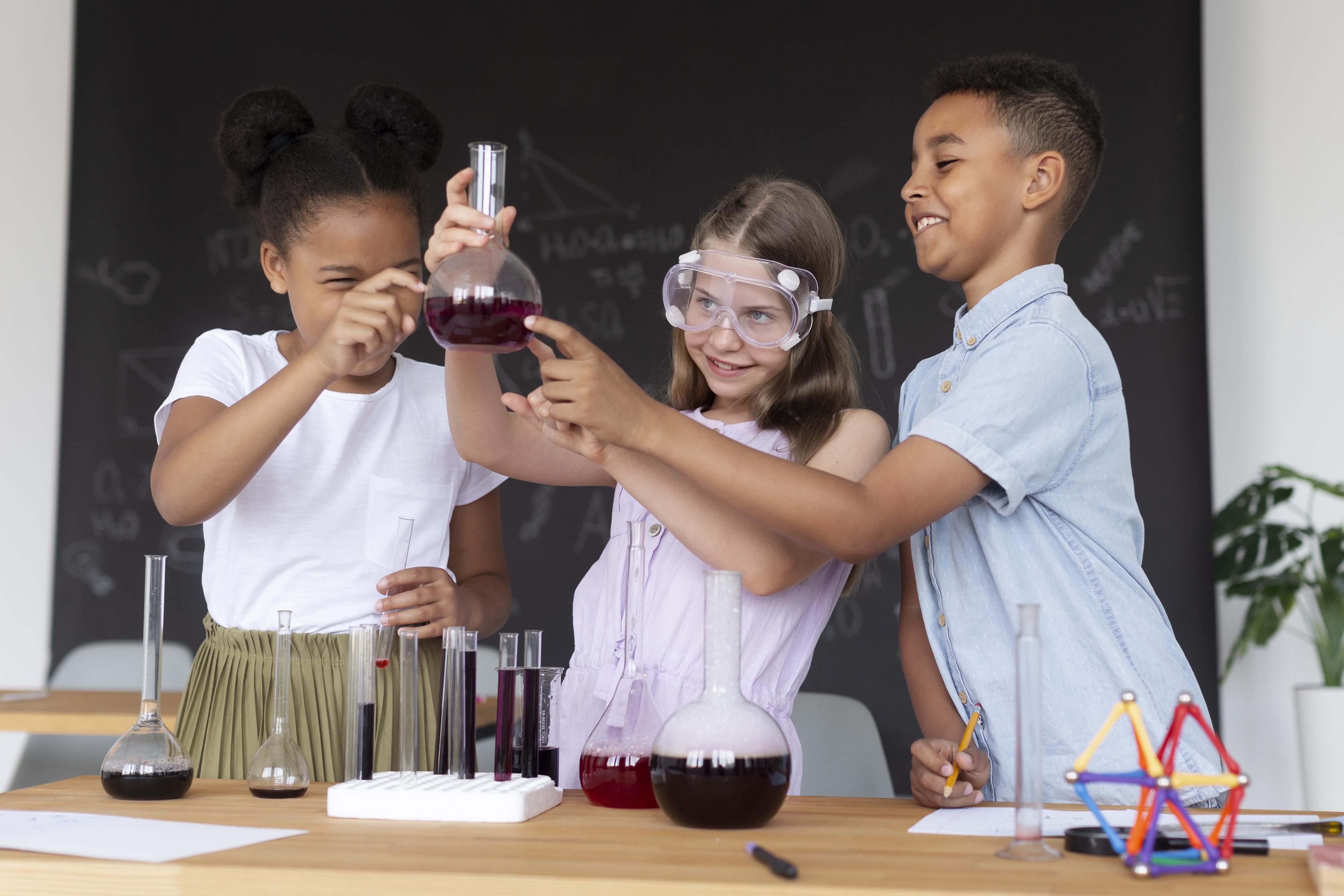
Chem-Lab
Discover how chemistry explains—and impacts—the world around us and learn about core subjects including atomic theory, stoichiometry, chemical reactions, intermolecular forces, periodic trends, and acids and bases. In the lab, students will explore concepts, adjust variables independently, apply proper techniques, and use findings to determine next steps.
Essential Questions- What is matter in the universe made of, and how is it organized?
- How does matter interact on the submicroscopic, microscopic and macroscopic levels?
- What are common chemical elements in life?
- How does chemistry impact our daily life?
- How can our understanding of chemistry be used to solve problems?
- How can the understanding of the properties of matter and how it changes help chemists design materials to fit special needs?
Detective Science
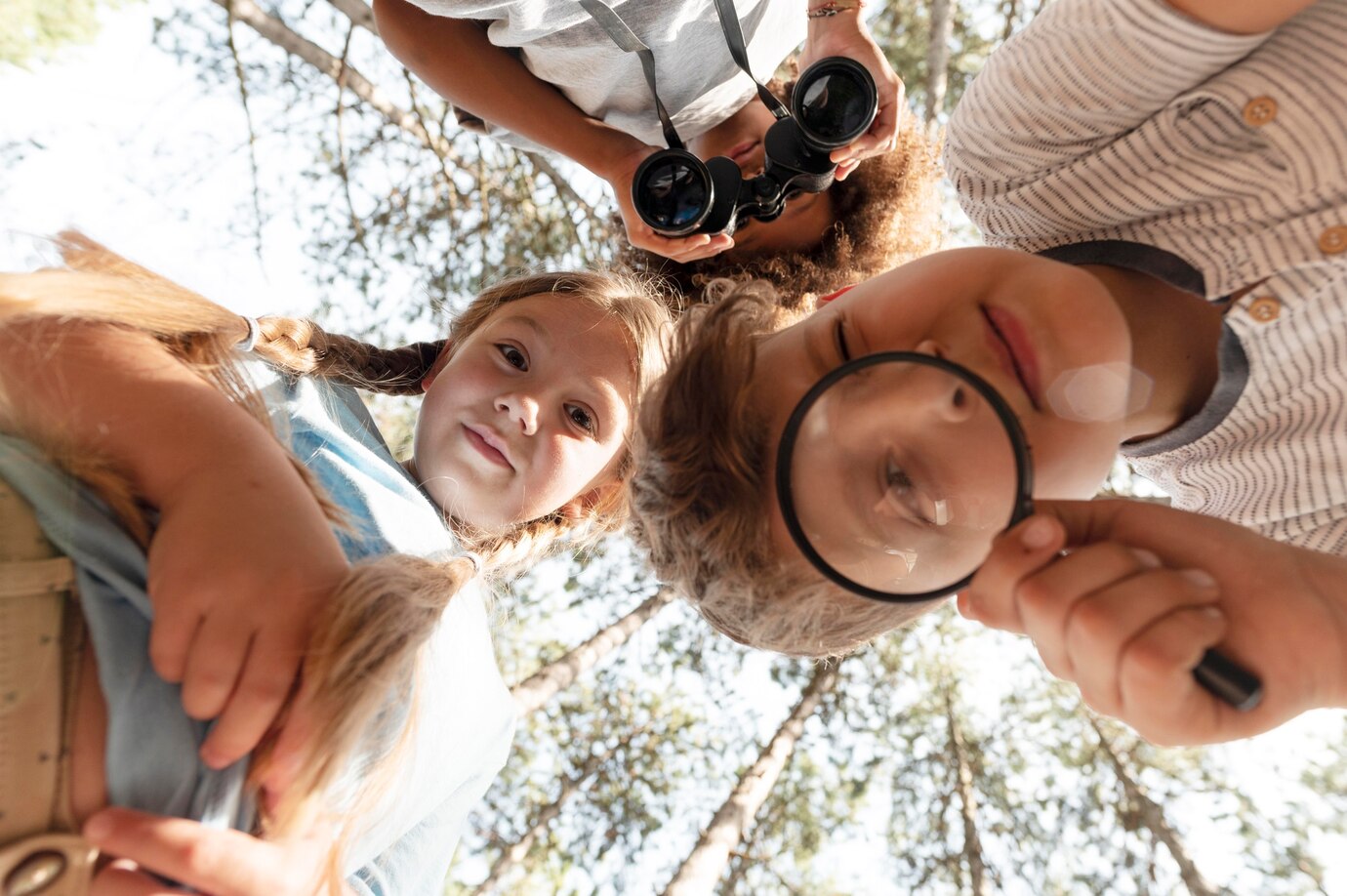
Learn the forensic science involved in solving crimes, including how to collect fingerprints, crack secret codes, and examine evidence. Topics from life science, psychology, literary analysis, and physical science are combined to create, write, and solve complex mysteries.
Essential Questions- What is forensics?
- How are scientific practices used in forensics?
- What is evidence?
- How to identify evidence using a microscope?
- How can DNA and blood be used as evidence?
- How to define matters according to their physical and chemical reactions?
Math in Motion: The Science of Sports
What makes the perfect basketball shot, the fastest sprint, or the longest home run? In Math in Motion, students step onto the field as both athletes and mathematicians to uncover the numbers behind the game. Through hands-on experiments, movement-based challenges, and data analysis, students apply concepts such as geometry, probability, ratios, and statistics to real-world sports scenarios. This course emphasizes problem solving, collaboration, and real-world application as students test strategies, analyze performance, and search for the winning formula.
Essential Questions- Analyze speed, distance, time, and accuracy using real data.
- Apply geometry and measurement to predict and improve performance.
- Use probability and statistics to evaluate outcomes in games.
- Collect, graph, and interpret data from physical experiments.
- Collaborate to design strategies and solutions based on evidence.
- Present findings clearly using visual models and data displays.

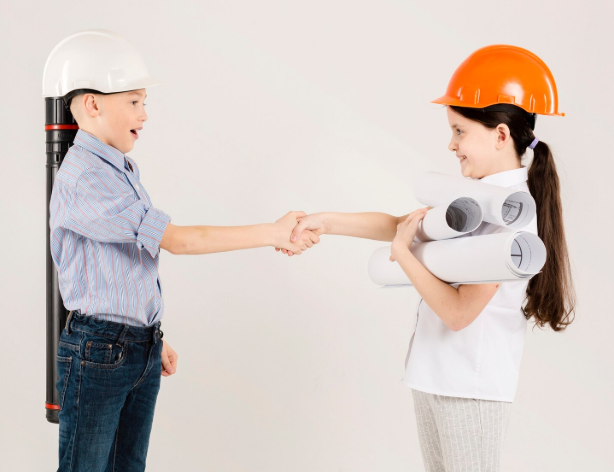
Future Engineers: Mechanical, Civil & Smart Systems Engineering
This immersive 10-day course introduces students to the core principles of engineering across four disciplines: Mechanical, Civil, Electrical, and Industrial Engineering. Students will engage in daily hands-on projects, applying the Engineering Design Process (Ask, Imagine, Plan, Create, Test, Improve, Communicate) to solve real-world problems. The course emphasizes creativity, critical thinking, collaboration, data analysis, and iterative design. Each day includes design planning, building, testing, and reflection, culminating in a capstone project to synthesize learning across disciplines.
Essential Questions- Complete the rubber band vehicle design challenge leveraging the knowledge of force, work and mechanical advantages.
- Complete the Basla tower construction challenge and truss design challenge based on civil engineering and structural design.
- Build a basic smart device based on an introduction to electricity and circuit principles.
- Assembly line simulation, optimize the process through time trials and bottleneck analysis, and redesign workflow to improve efficiency.
- Complete the whole-group challenge to design a creative capstone project from sketches to product.
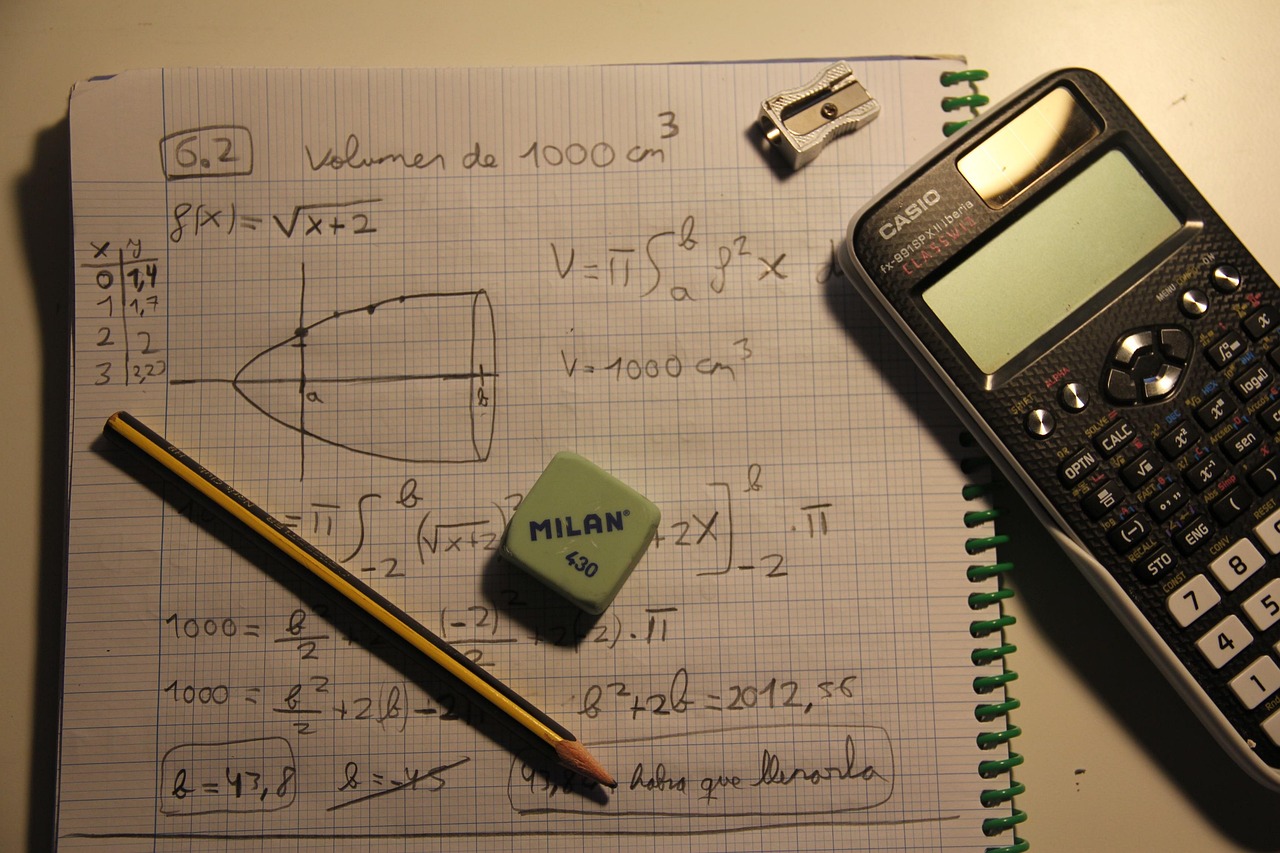
Real World Math
Students will explore the practical mathematics of change and accumulation using calculus while simultaneously learning how to collect, analyze, and interpret data using basic statistics and data analytics techniques. Real-world applications—from motion experiments to economic simulations—will highlight how these disciplines are used to solve the most complicated issues facing us today
Essential Questions- How mathematics can be used to compare, contrast, and explain real-world situations.
- Apply calculus to analyze motion and optimize outcomes.
- Collect, organize, and graph data from real-world experiments.
- Know how mathematics can model-not just quantify- real world situations.
- Describe basic statistical measures and probability.
- Apply mathematical thinking as part of a decision-making toolbox.
Aerospace Engineering&The Science of Fligh
Learn about the history of flight, experiments, create hypotheses, observe flying machines, and compose lab reports to understand the physics principles behind the science. Apply the engineering process as you become an aeronautical engineer.
Essential Questions- What major scientific principles make flight possible?
- Who were the major contributors to the evolution of human flight?
- Understand how to apply crucial scientific concepts in flight to their design and projects.
- Apply the scientific method in a collaborative setting to design, test, and build experiments where meaningful data is obtained in order to test hypotheses.
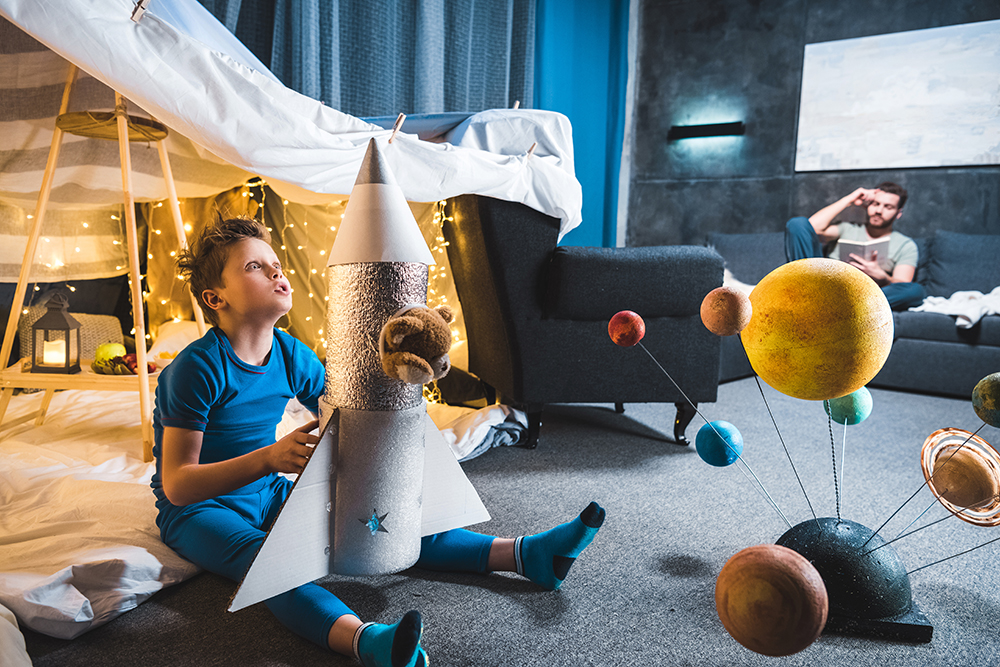

Bubbles & Crashes: Introduction to Economics
Budding economists examine economic booms and busts of the past and present, focusing on concepts such as risk, supply & demand, marginal utility, and the fundamentals of investing. This course builds critical-thinking skills through discussion and writing experiences and is ideal for those interested in economics, political science, international relations, or other advanced social sciences.
Essential Questions- Introduction to Economics and Behavioral Economics, Game Theory, Investment Strategies.
- How do people make rational decisions when it comes to matters related to money and investment?
- How do economists think about problems, and how does the market operate?
- In the creation, maintenance, and collapse of the financial system, what roles do individuals and enterprises play?
Introduction to Biomedicine
Explore groundbreaking medical research, gain insights into the body’s molecular and cellular processes, and learn how that knowledge is applied to medical practice and treatments. Get acquainted with topics in chemistry by examining essential biochemical reactions that occur in the body, learn about physics while investigating bio-mechanics, and explore biology at the cellular level.
Essential Questions- Know about the micro and macro physiology of the human body and how biomedicine can be used to solve problems within the body.
- Calculate the genetic probability of traits using the Punnett square method.
- Understanding the medical achievements brought about by bioengineering and biotechnology.
- Apply current biomedical research to discussions of bioethics.
- Based on the patient’s symptoms and family medical history, conduct simulation experiments and simulate the diagnosis process.
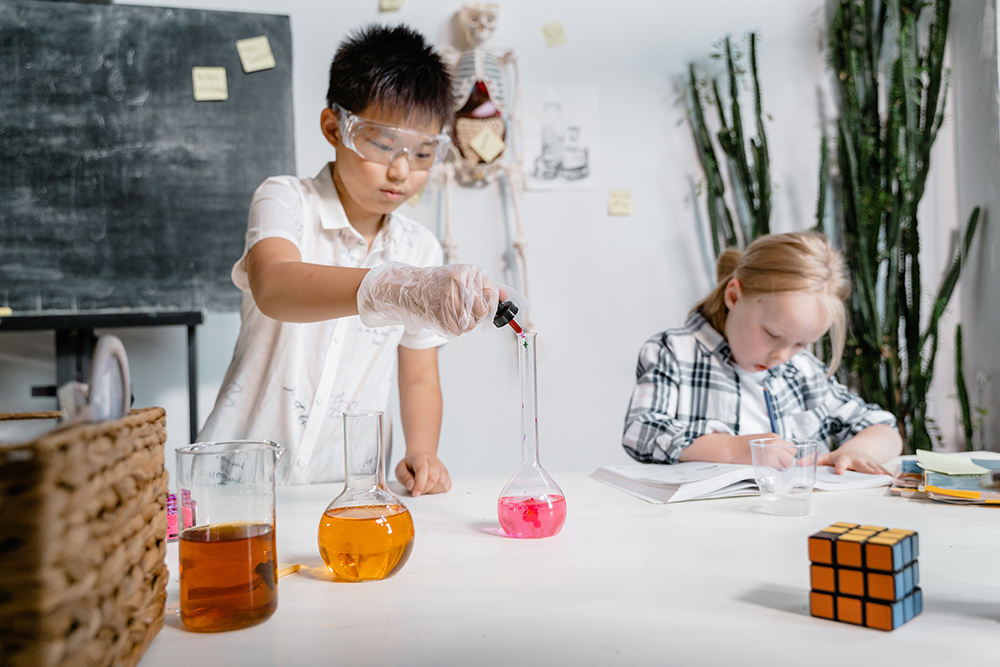
Chemistry of Medicine
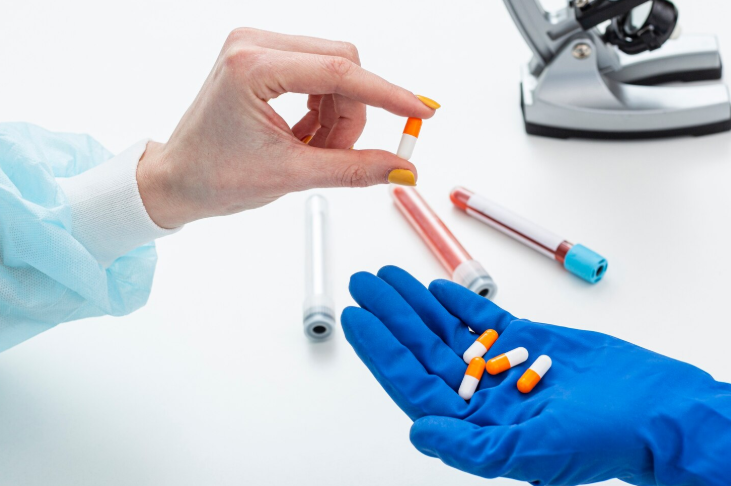
This lab-based, introductory course will guide you, as a future researcher, into the interdisciplinary realm of chemistry and biomedical science, exploring the journey from microscopic molecules to life-saving medicines. Here, starting from atomic structures, you will personally synthesize and test compounds with potential antibacterial activity, completing an authentic drug discovery project that moves from theoretical design to functional validation. This is not merely training in experimental techniques, but a deep cultivation of scientific thinking and innovative capability.
Essential Questions- Build understanding of atoms, molecules, chemical bonds, and reaction mechanisms, and comprehend the scientific relationship between drug structure and biological activity.
- Master stoichiometric calculations, and develop core lab skills: measurement, solution-making, titration, calorimetry,separation/distillation, safe heating/stirring, and basic analytical reasoning.
- Explain and apply “drug-like” concepts (polarity, hydrogen bonding potential, lipophilicity, basic toxicity ideas) in evaluating molecules.
- Identify nucleophilic and electrophilic behavior in simplified reaction contexts and connect reactivity to structure.
- Experience the entire process from compound design and synthesis route planning to the actual synthesis, purification, and structural characterization of ester derivatives.
- Learn microbiological experimental techniques, test the antibacterial effects of synthesized compounds, and conduct scientific analysis and interpretation of experimental data.
- Design and carry out an inquiry-based mini-research project, analyze results, and present findings clearly in posters.
一场数学趣味盛宴 —— 设计一款属于自己的数学嘉年华游戏
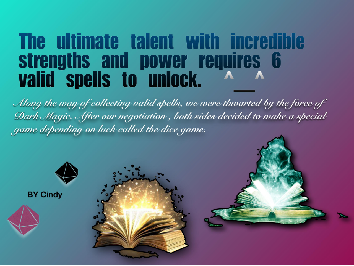
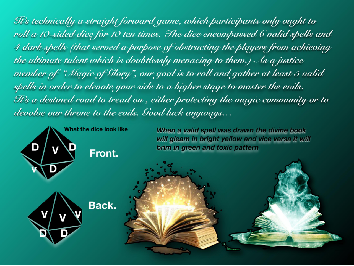
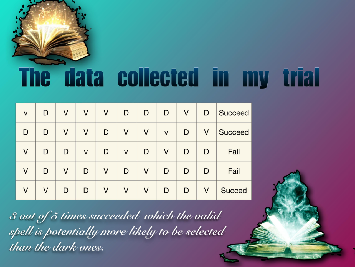
作品来自“数学逻辑游戏”学员Cindy同学(上海市民办协和双语学校(虹桥校区)),在结业当天中为大家展示了自己设计的嘉年华游戏。学生利用在课程中学习关于数学和逻辑的知识,完成了一款数学游戏的基础说明、分析游戏公平性、游戏的分步说明等环节的设计。
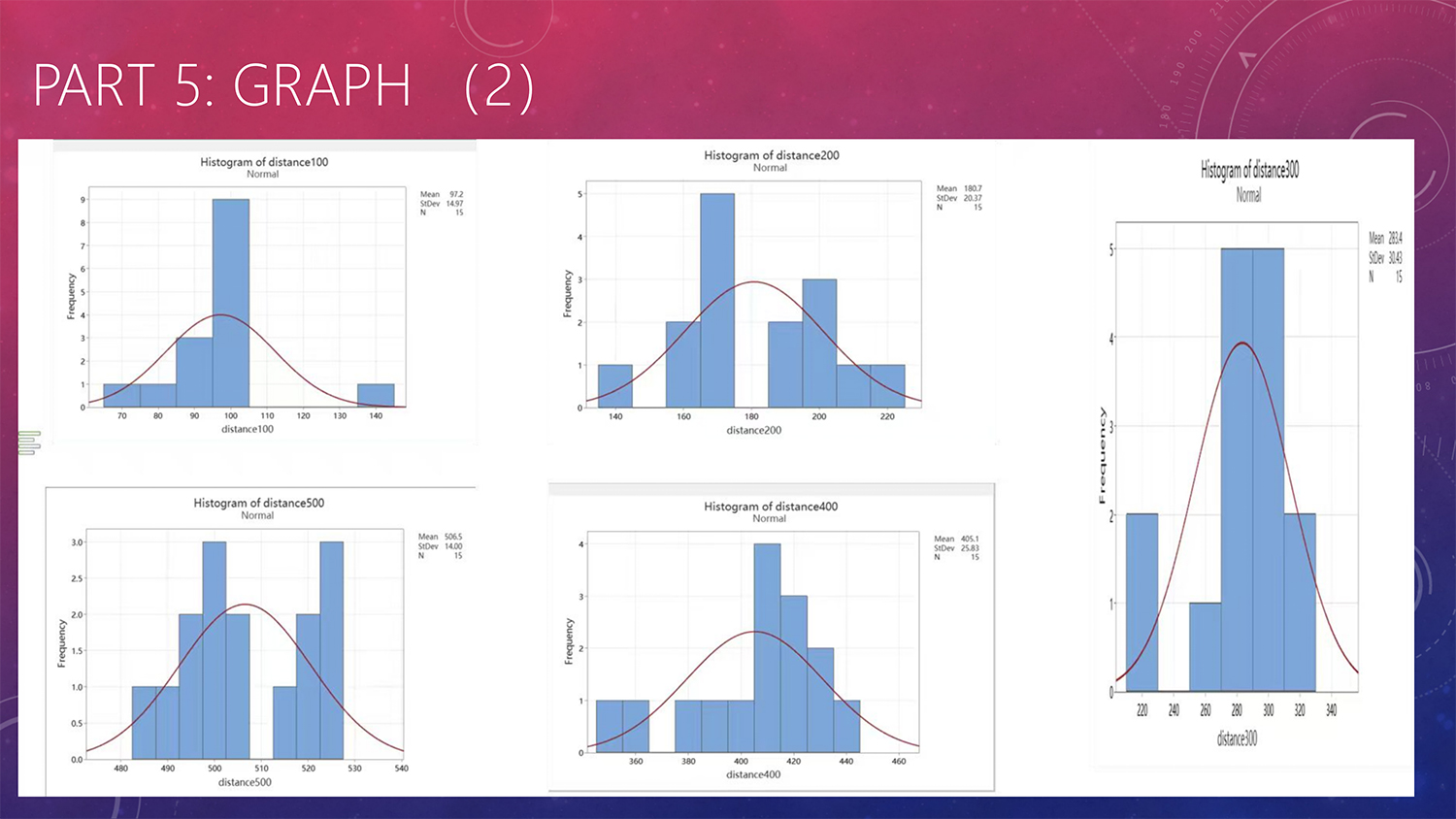
“精准把控投石机”——探索数学如何运用在物理领域
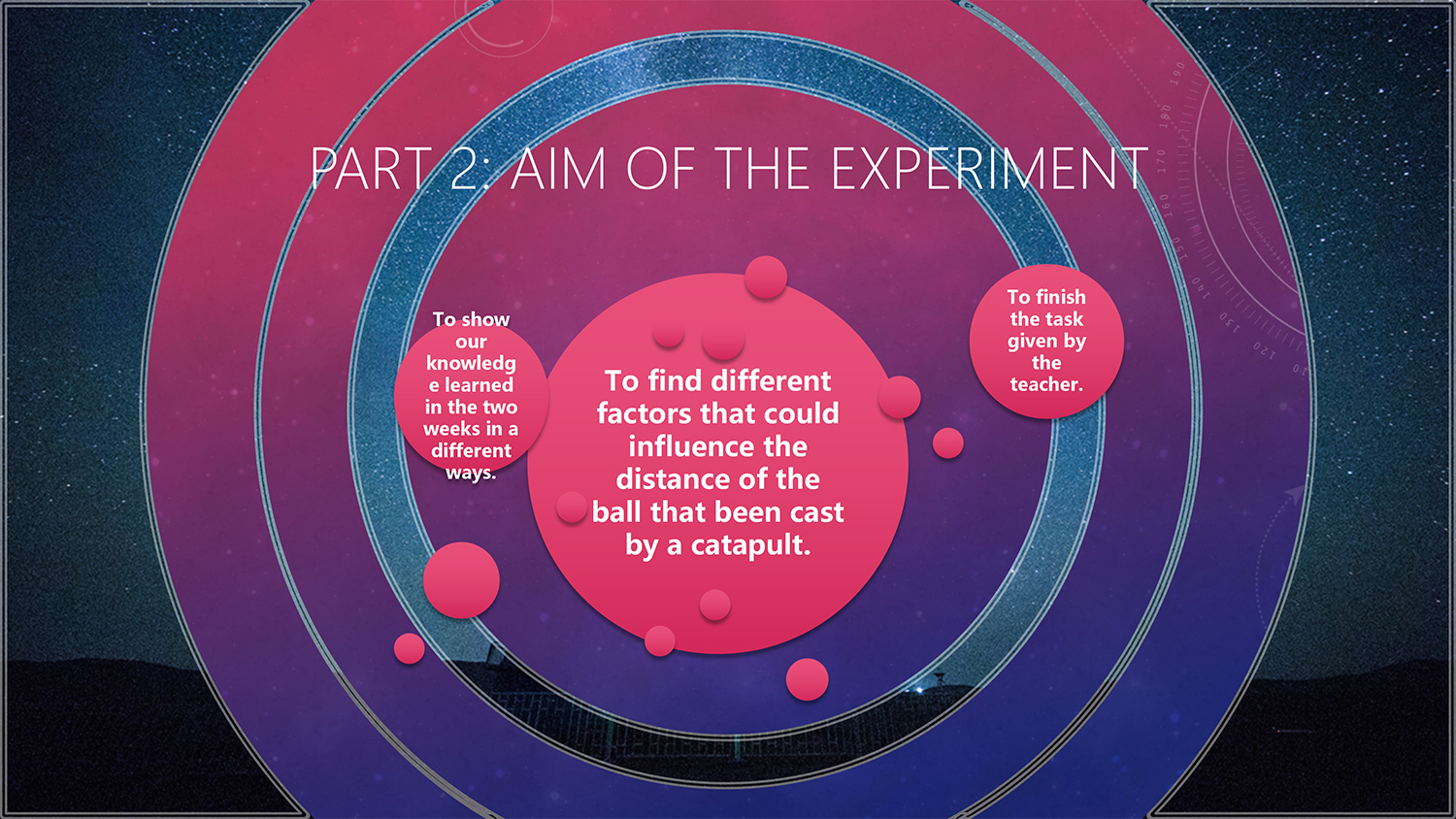
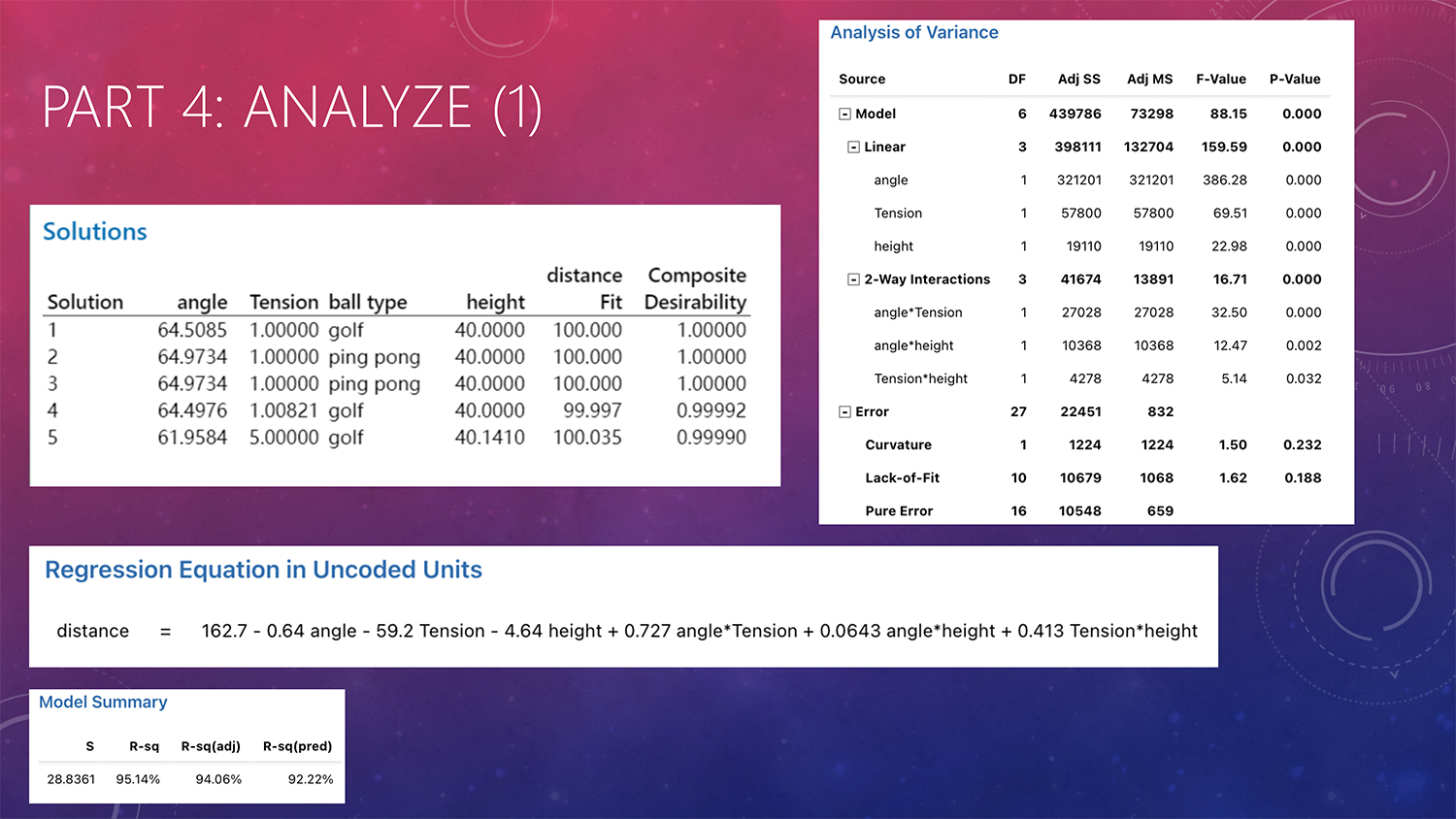
本作品出自2025 CTD中国站夏季营“真实世界数学”课堂,由William、Eric、Sammy、Isaiah 和 Marc 同学共同完成。他们围绕“如何用弹射器精准击中目标”展开研究,探索了发射角度、橡皮筋张力、球体种类等变量对发射距离的影响。通过反复试验、数据采集与Minitab软件分析,他们最终建立了一套可预测1到5米目标射程的回归模型和残差图。
Intro to BioMed !——初中生如何理解生物医学?
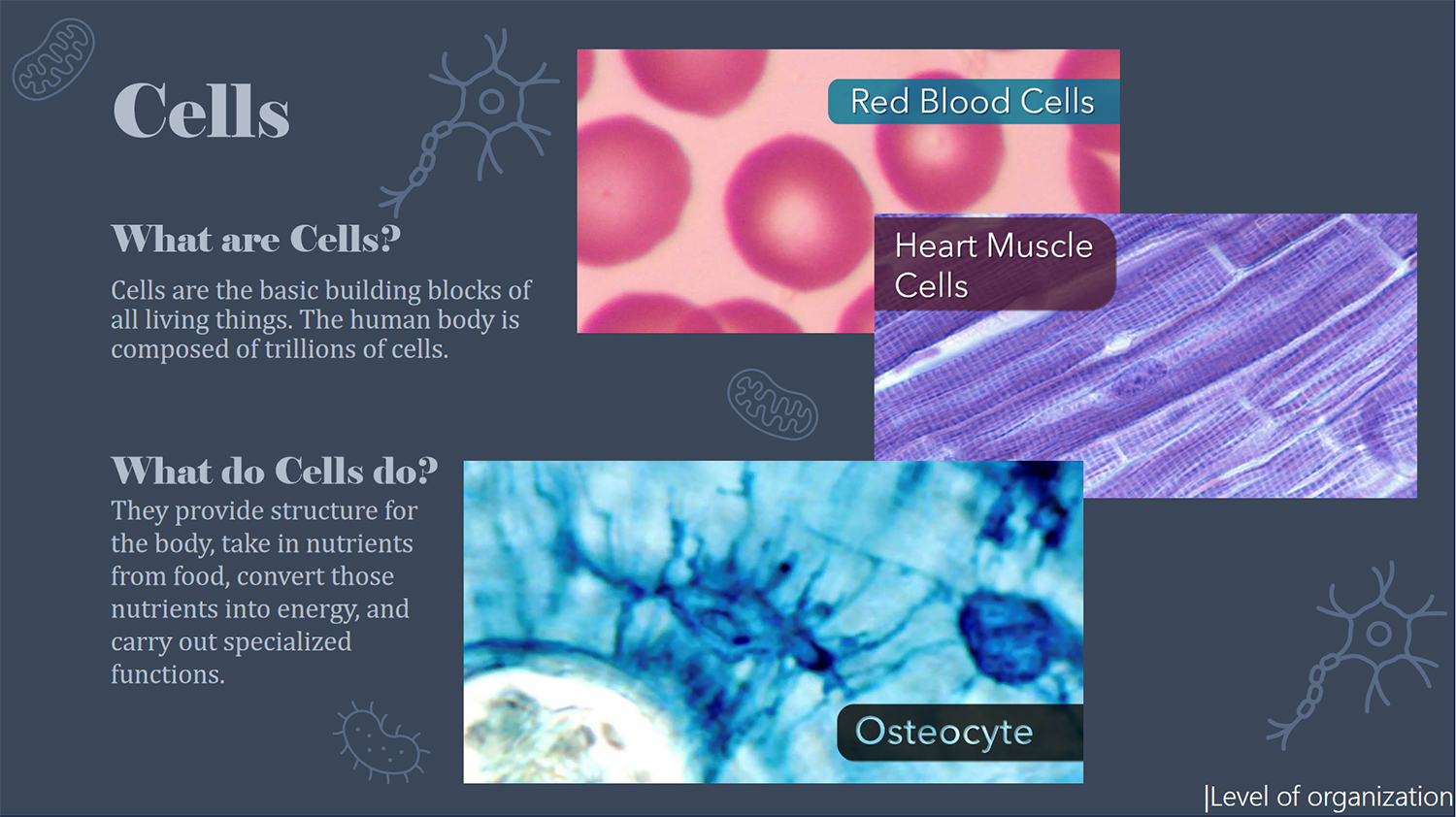
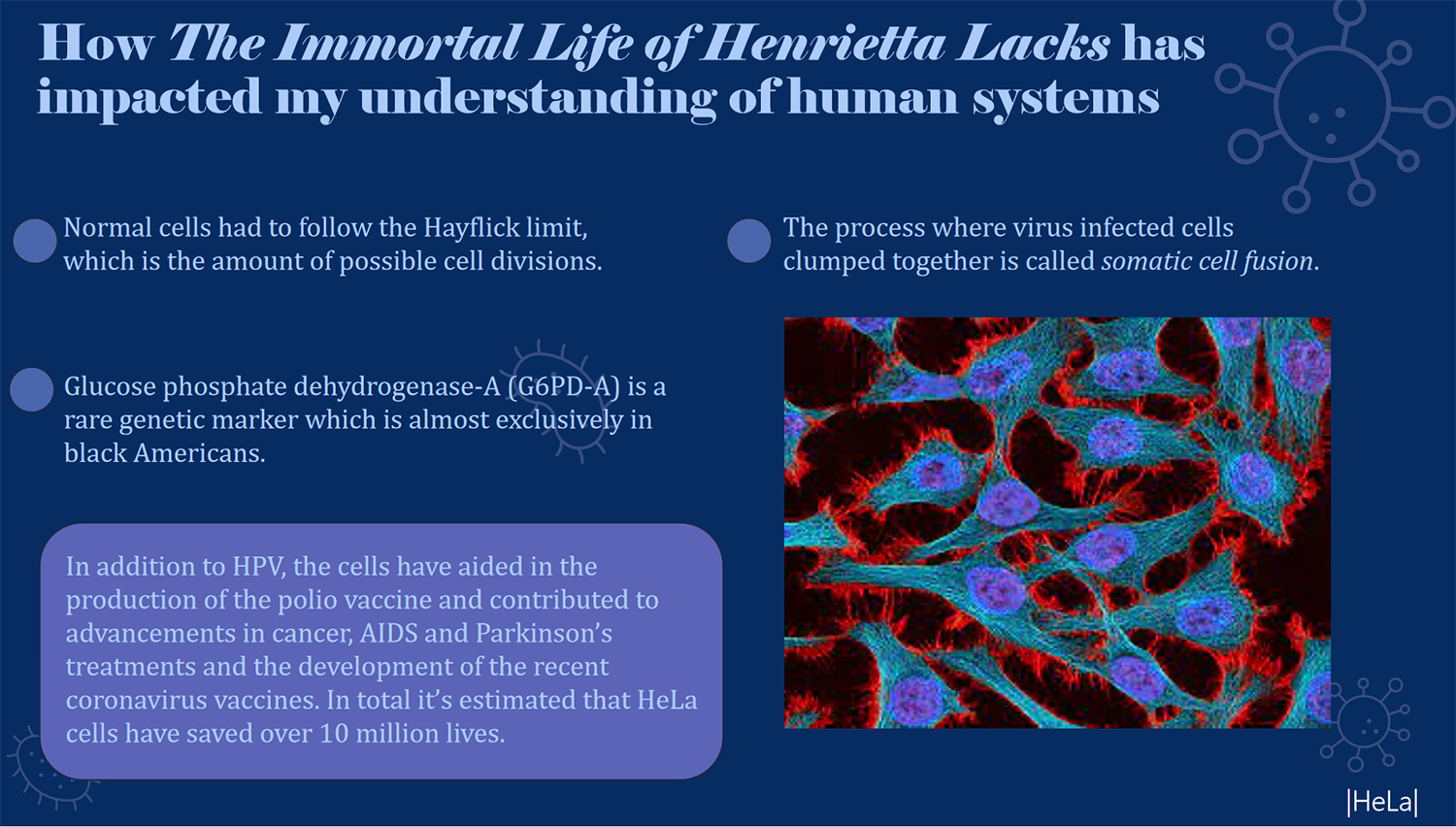
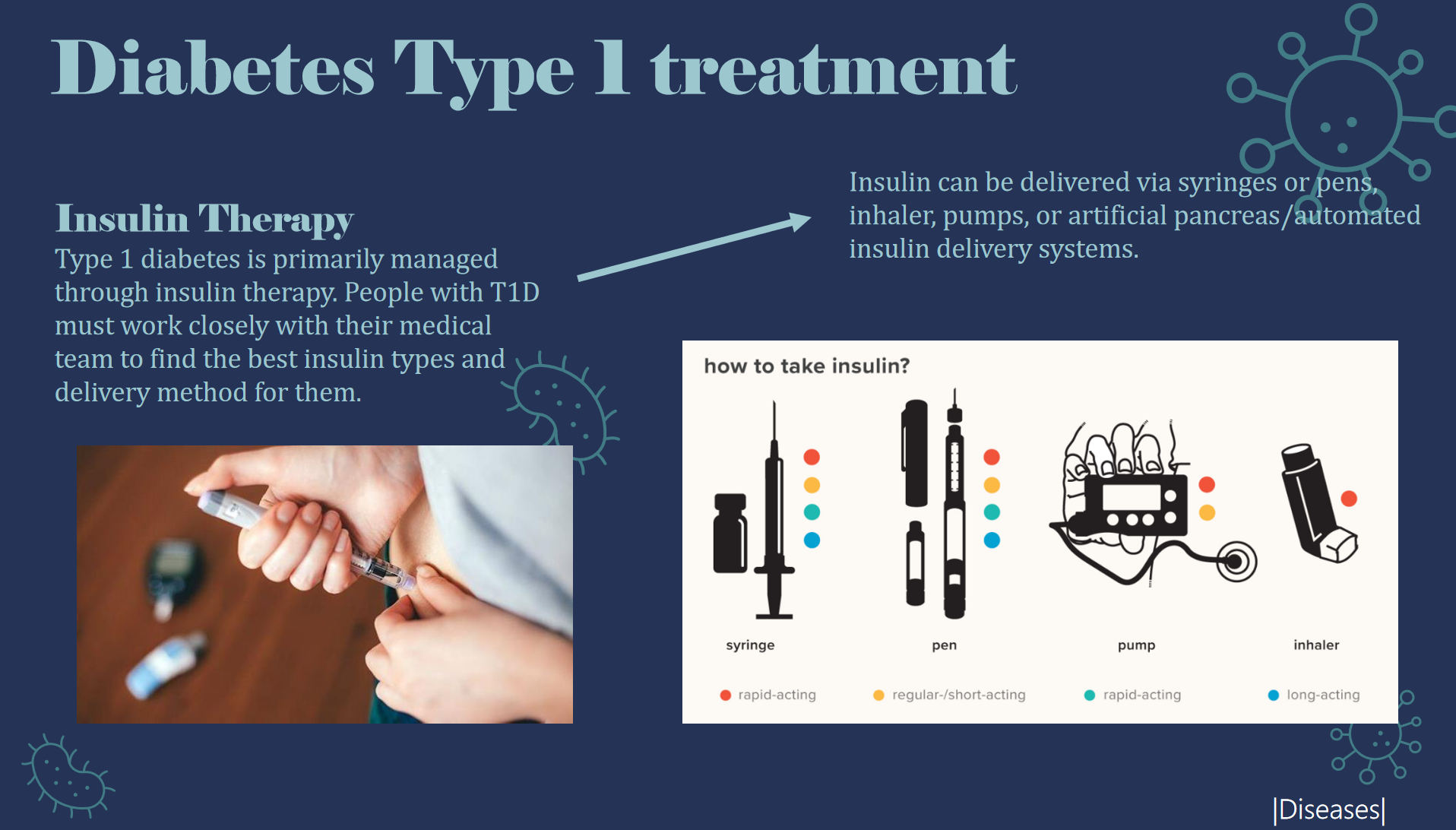
作品来自2023CTD中国站夏季营“生物医学入门”学员鲁同学(无锡狄邦文理学校), 其通过课程学习、文献阅读等方式,在结业那天为大家带来了长达14页的精彩演讲——从细胞讲到器官,从免疫系统讲到1型糖尿病,在一周又一周的积累中,初中生所理解的生物医学,让人惊艳。
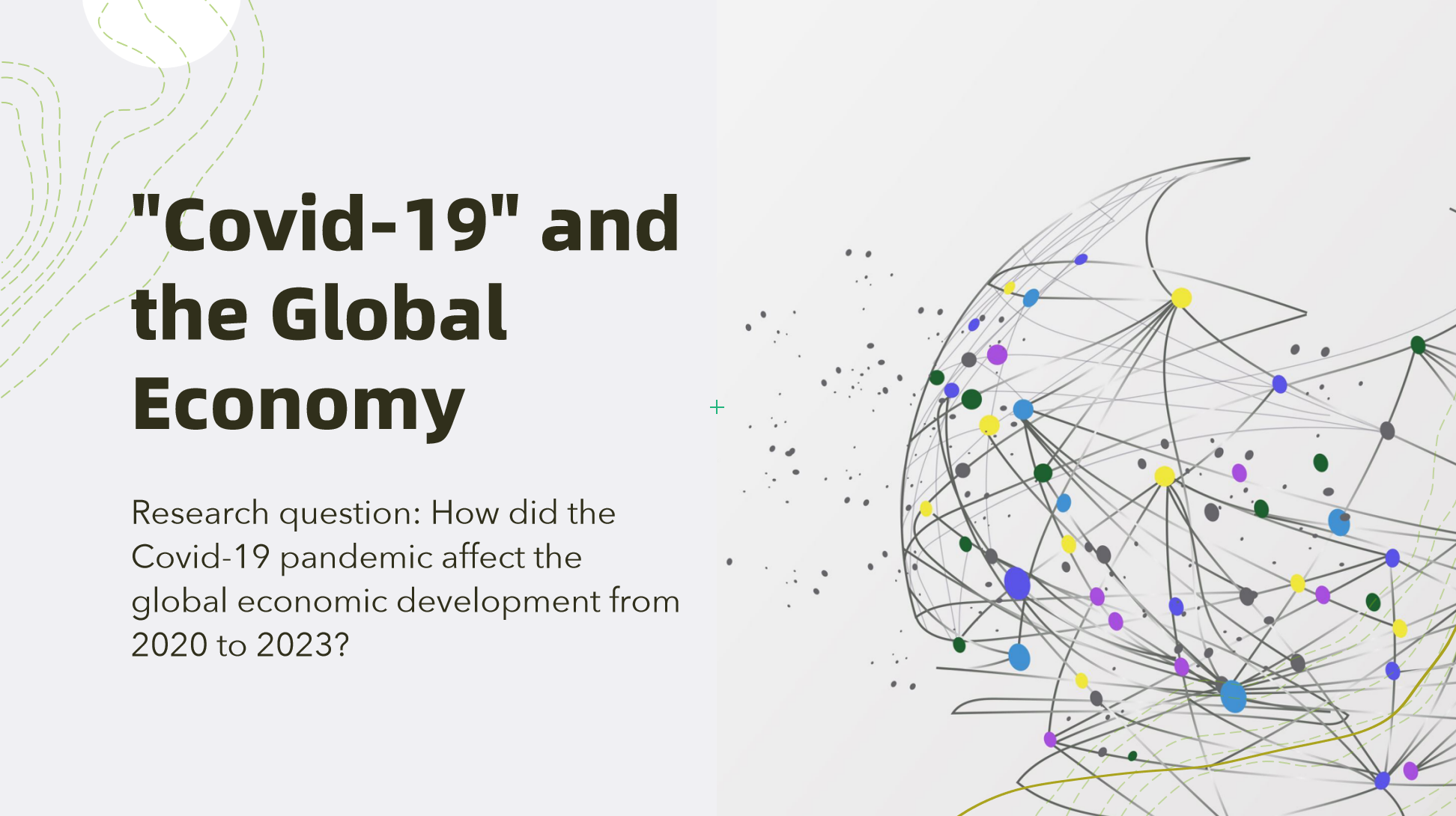
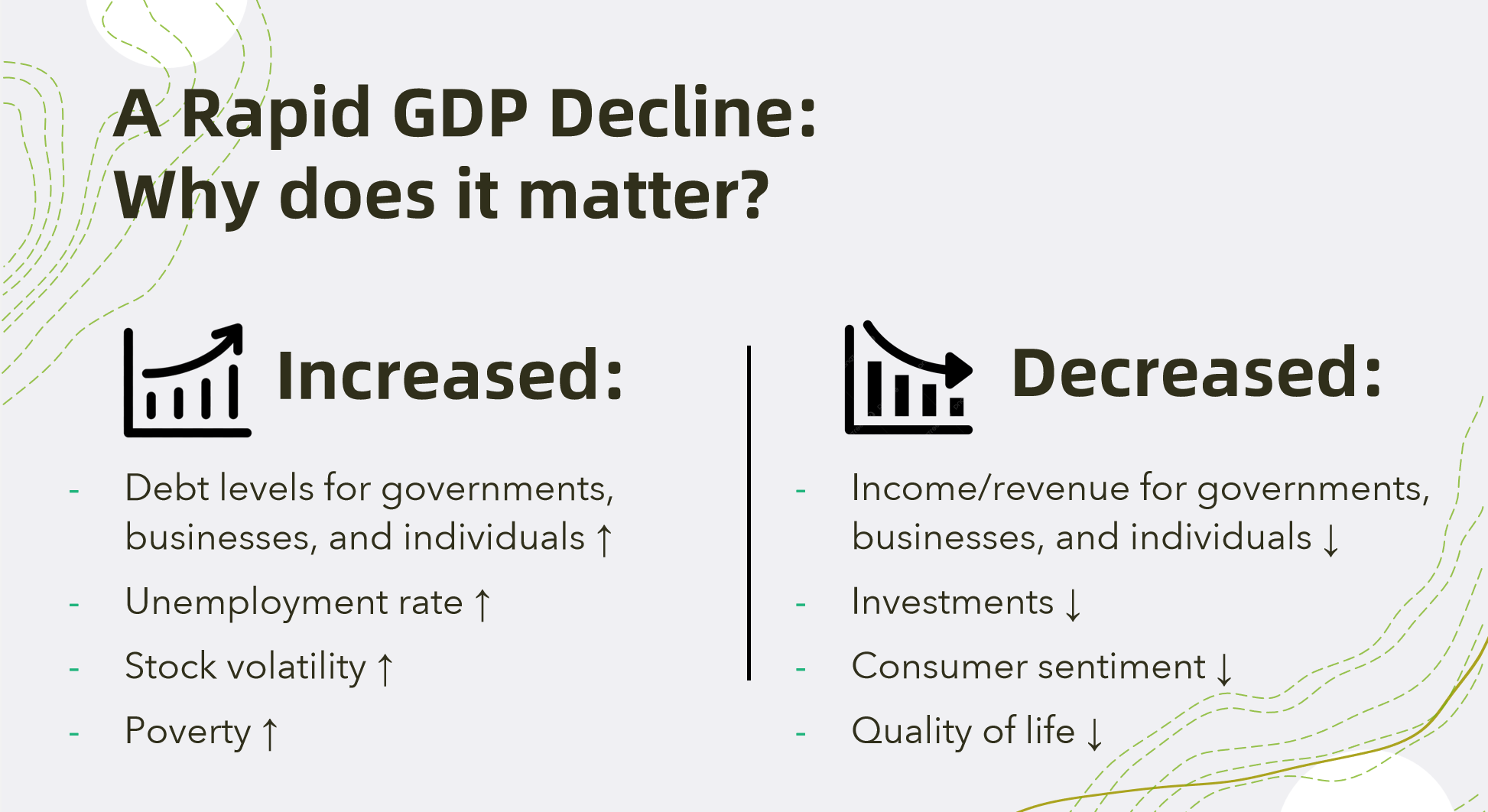
后疫情时代下的Z世代,在关心粮食和蔬菜!
上述作品来自2023CTD中国站夏季营“泡沫与经济”学员吕同学(苏州新加坡国际学校), 在学习了经济学基础知识后,8年级的吕同学开始思考“疫情之下的全球经济”都经历了哪些波动..