
MIT Workshop
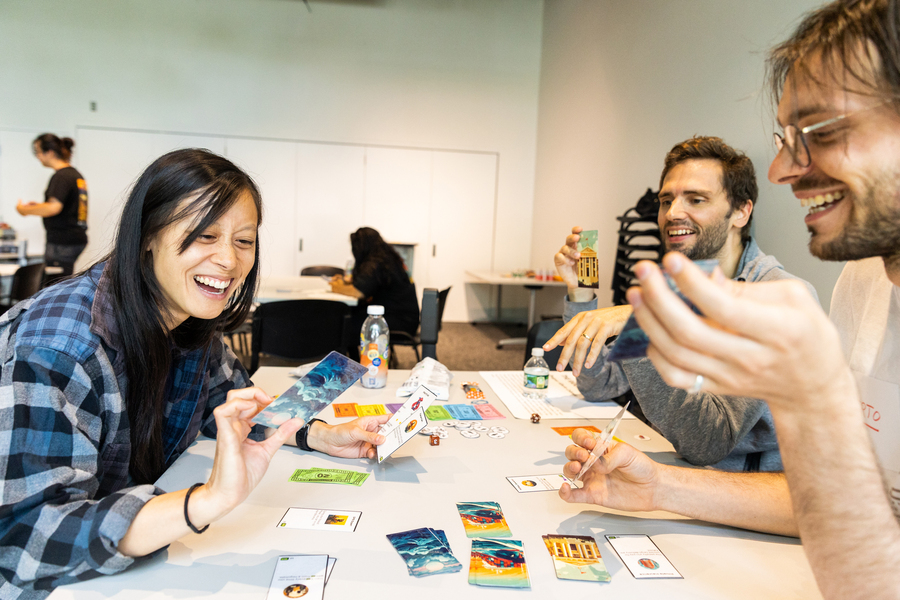
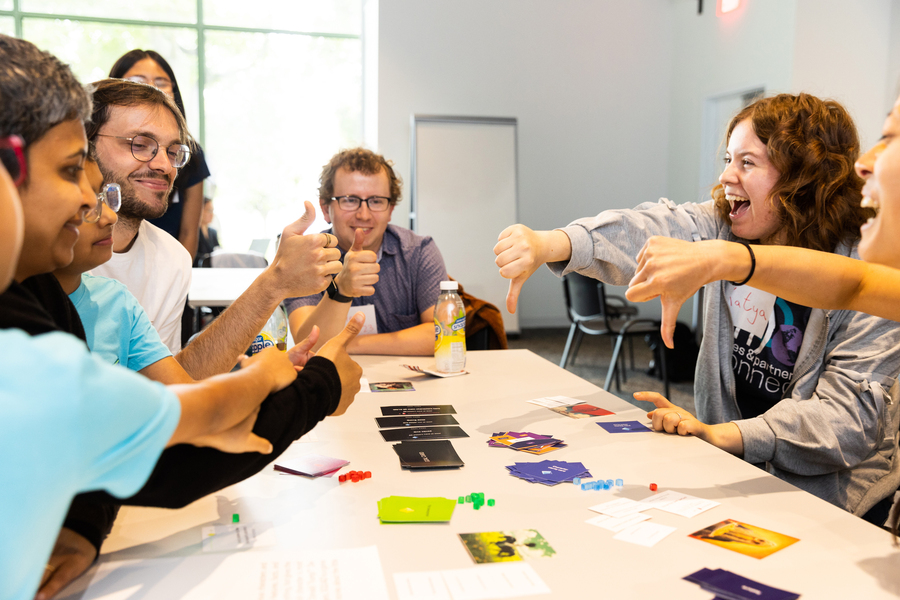
Organized by MIT, an immersive experience in MIT game design cultureMIT Instructors
Led by MIT instructors, ensuring an authentic MIT learning experienceTangible Advantages
Pitch your game to MIT standards and develop a competitive portfolio pieceOfficial Certificate
Earn a certificate of completion from MITMIT HKCampus
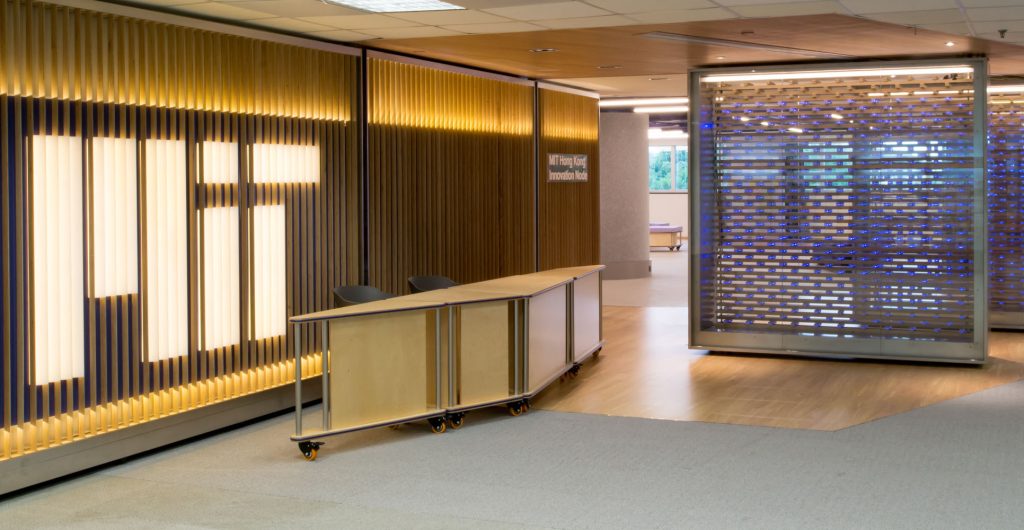
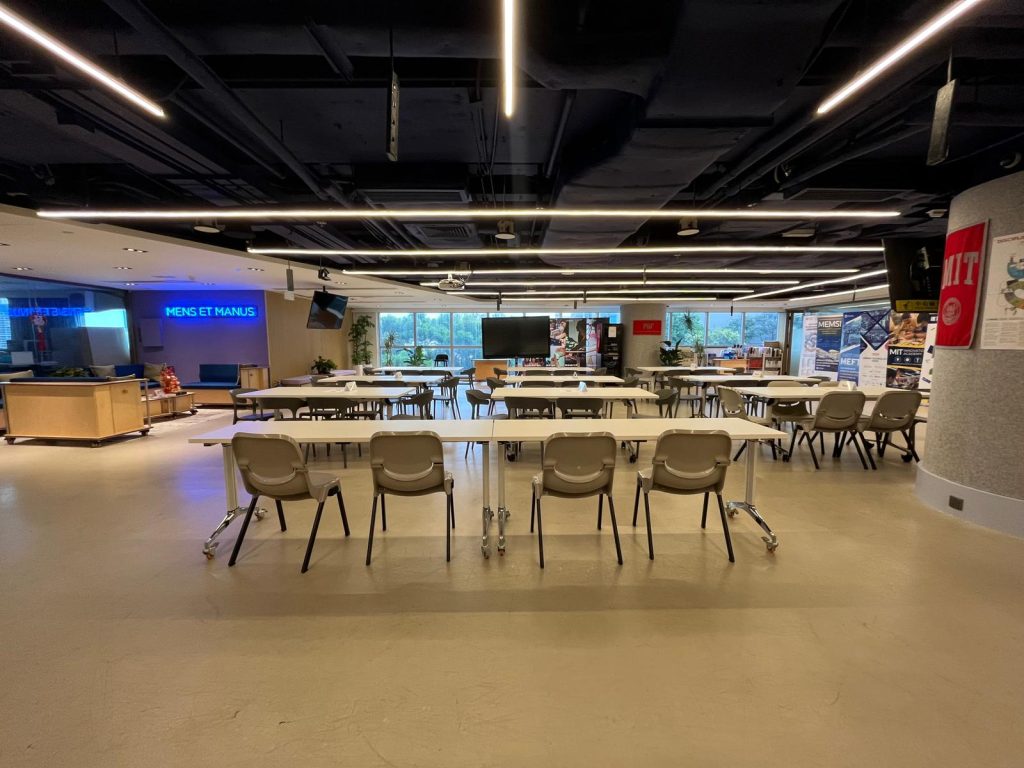
Delivered entirely at the MIT Hong Kong Innovation Node— Introduction —
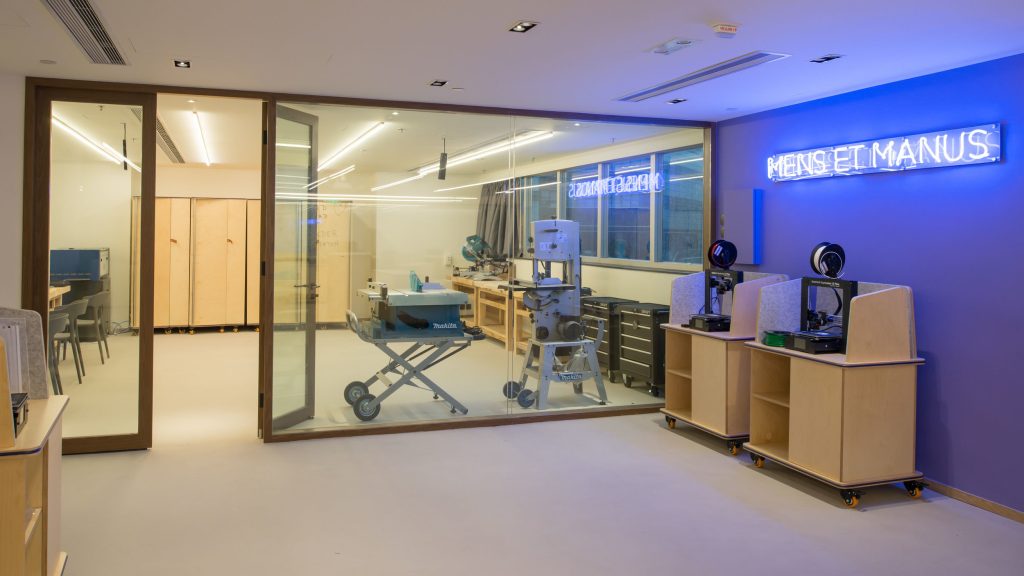
Massachusetts Institute of Technology (MIT) is one of the world's premier research universities, renowned for its excellence in Engineering, Computer Science, and Interdisciplinary Innovation. Ranked #2 in the 2026 Best National Universities Rankings, MIT has long been a global leader in driving technological and industrial advancement, with profound impact across fields such as artificial intelligence, robotics, aerospace, and bioengineering, having cultivated generations of scientists, engineers, and entrepreneurs who continue to transform the world. MIT's motto is grounded in Mens et Manus (Latin for "mind and hand"), which reflects the educational ideals of MIT’s founders who were promoting, above all, education for practical application, emphasizing the integration of theory with real-world problem-solving and empowering students to innovate and break new ground through hands-on practice.
Workshop Location: MIT Hong Kong Innovation Node:
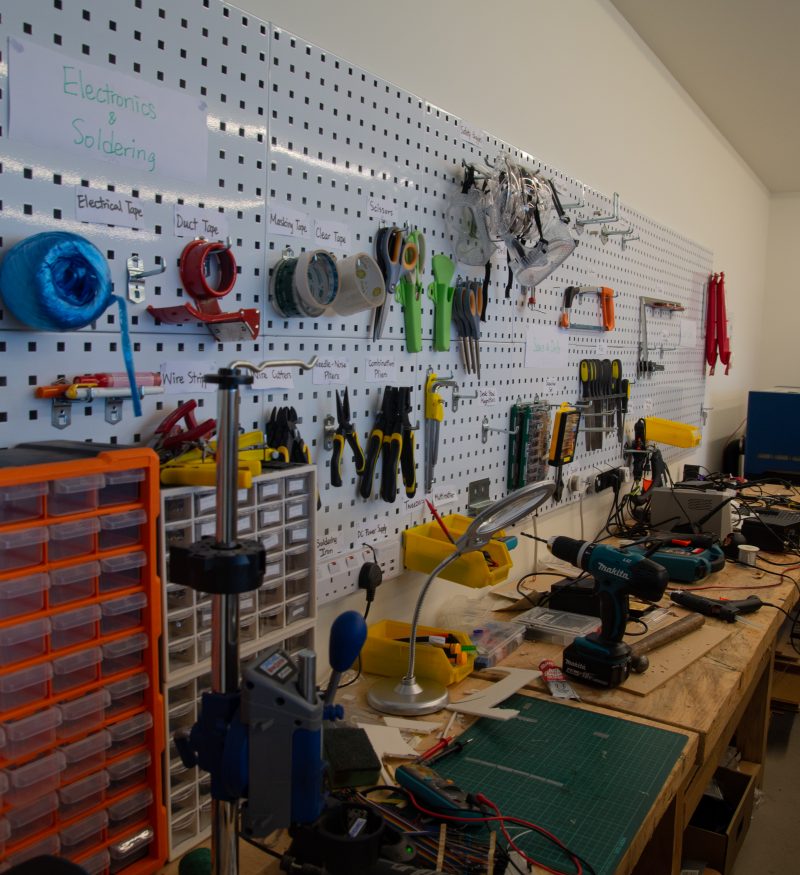
The MIT Hong Kong Innovation Node is MIT's official innovation hub in Hong Kong. As a key center for MIT’s teaching and research activities in Asia, it advances MIT’s global mission in education, research, and innovation collaboration. Leveraging MIT’s academic resources and pedagogical approach, the Node collaborates with MIT labs and research groups (e.g., MIT Game Lab) to deliver courses and projects, bringing MIT’s motto “Mens et Manus” (Mind and Hand) to life in Hong Kong. Through interdisciplinary hands-on projects and innovation initiatives, the MIT Hong Kong Innovation Node fosters an immersive environment for learning and creative exploration for students from around the world.
MIT Hong Kong Innovation Node Website: https://hkinnovationnode.mit.edu/


MIT Game Lab
As MIT's premier "Power Players," rather than simply reproducing the current state of gaming, the MIT Game Lab uses novel methods and deep quantitative research to explore the potential of play to understand the world. Gaming is not only a site of leisure but a medium where domains such as civics, education, and work utilize. Through interactive and immersive experiences, the MIT Game Lab opens new dimensions for people to see the world. At the same time, rooted in game design and research, the lab supports creative projects from initial concept through to the realization of playable, feasible, and engaging games, expanding the boundaries of what games can be.


— Games Design & Development Cases —

01
Cellverse, a VR biology game co-developed by MIT Game Lab, allows teams of students to “shrink down” into a cell, where they can encounter mitochondria, ribosomes, and other microscopic structures in a tangible way, thereby enabling them to learn biology immersively.

02
OpenRelativity is an open-source toolkit developed by the MIT Game Lab to simulate the effects of special relativity by varying the speed of light. It was created alongside the game A Slower Speed of Light, transforming abstract physical phenomena (e.g., reduced light speed, Lorentz transformations, time dilation, and the Doppler effect) into interactive, experiential visualizations.
— Teaching Faculty —
* The final instructor list is subject to official arrangements.
-
Rik Eberhardt
• Instructor for game production and design courses at MIT
• Program Manager at MIT Game Lab
Rik Eberhardt is a lead instructor in game design and interactive media at MIT and currently serves as Program Manager at the MIT Game Lab. He has been at the forefront of interdisciplinary innovation and digital experience research. Since joining MIT in 2009, Rik has played a central role in developing the instructional framework for MIT’s game development and design curriculum, advancing project-based learning for undergraduate education. He has contributed not only to curriculum design but also to mentoring student teams, integrating computer science, design thinking, and social impact to produce interactive works with both research depth and real-world relevance. By bridging MIT’s interdisciplinary resources with the Game Lab, Rik cultivates students not only as game developers but as innovators who leverage technology and design to address complex real-world challenges. Profile on MIT Game Lab: https://gamelab.mit.edu/author/rik/
Dr. Mikael Jakobsson
• Research Scientist at MIT Game Lab
• Instructor at MIT & Harvard
• Instructor exploring game design and game culture
Dr. Mikael Jakobsson is a Research Scientist at the MIT Game Lab and teaches undergraduate and graduate courses at both MIT and Harvard University. He approaches games not as mere entertainment, but as technological frameworks for constructing and validating complex systems. In his work, games are understood as dynamic, rule-driven systems that integrates algorithmic logic, user behavior modeling, and real‑time interactive feedback mechanisms, transforming abstract computational problems into observable and actionable experimental environments. Within the research framework of the MIT Game Lab, he designs and develops interactive systems to investigate human decision-making in complex digital environments, system incentive structures, and the impact of design variables on behavioral outcomes. This approach closely aligns with simulation modeling in artificial intelligence, experience optimization in human–computer interaction, and iterative development practices in modern software systems. Profile on MIT Game Lab: http://gamelab.mit.edu/about/people/
— Workshop Details —
Why Learn Game Design and Creation from MIT?
What You’ll Learn
What You’ll Build
Optional Tools
(Use as needed)
— Workshop Procedure —
Pitch your own game from sketch to vertical slice
Step 1
Introduction to Game Design
Understand how games are designed and played![]()
Step 2
Rapid Prototyping
Build a paper prototype to visualize your game idea![]()
Step 3
Game Mechanics
Define rules, systems, and player experience![]()
Step 4
Testing & Iteration
Refine your design through play-testingWhat You’ll Get
Portfolio Piece
A complete, presentable game design portfolio![]()
Step 6
Presentation & Communication
Present and publicly showcase your project![]()
Step 5
Production & Polish
Use professional tools (AI, laser cutting, 3D printing) to finalize your game
— Sample Schedule —
* The workshop content is subject to the arrangement of MIT Game Lab.
| Date | Morning | Afternoon | Evening |
|---|---|---|---|
| Day 1 | Arrival and Hotel Check-in. | ||
| Day 2 | Intro to game design & play culture | MIT Course 2: Prototyping tools & makerspace orientation | Review & Coursework |
| Day 3 | MIT Course 3: Game mechanics & systems thinking | MIT Course 4: Laser cutter & 3D printing | |
| Day 4 | MIT Course 5: Communities, ethics & narrative design | MIT Course 6: Project time -build & iterate | |
| Day 5 | MIT Course 7: Playtesting & iteration | MIT Course 8: Final assembly -polish & test | |
| Day 6 | MIT Course 9: Presentation prep & final refinements | Presentation & closing ceremony | |
| Day 7 | Return |
— Registration Details —
■ Date:
Jul.19 - Jul.25, 2026 (7 Days)
■ Subject:
Game Design and Creation
* Laptop with charger, adaptor, and internet access (bring daily); mouse with scroll wheel for 3D design
■ Location:
Hong Kong, China
■ Eligibility:
Students aged 15-18
■ Quota:
40 seats
■ Requirements:
- English language level equivalent to IELTS 6.0 / TOEFL 80 (exams taken prior to January 2026) / TOEFL 4.5 (exams taken January 2026 or later)
- A phone or online interview in English with an ASEEDER teacher if the above requirements are not met.
■ Fee:
- Includes: Tuition, Lunches provided during the course (July 20–24), ASEEDER group leader support service, insurance, study materials
- Excludes:
- Hong Kong endorsement fee
- Round-trip travel cost to and from Hong Kong, China
- Daily Commuting during the program
- Personal accommodation and meals
* The organizer will provide logistical support, including the scheduled pick-up service from the Shenzhen port of entry to the hotel in Hong Kong, accommodation in Hong Kong, and coordinated transportation during the program. Participants are free to choose based on their needs.