

UCLA Extension Winter School in collaboration with ASEEDER

Scan to sign up



Course Description
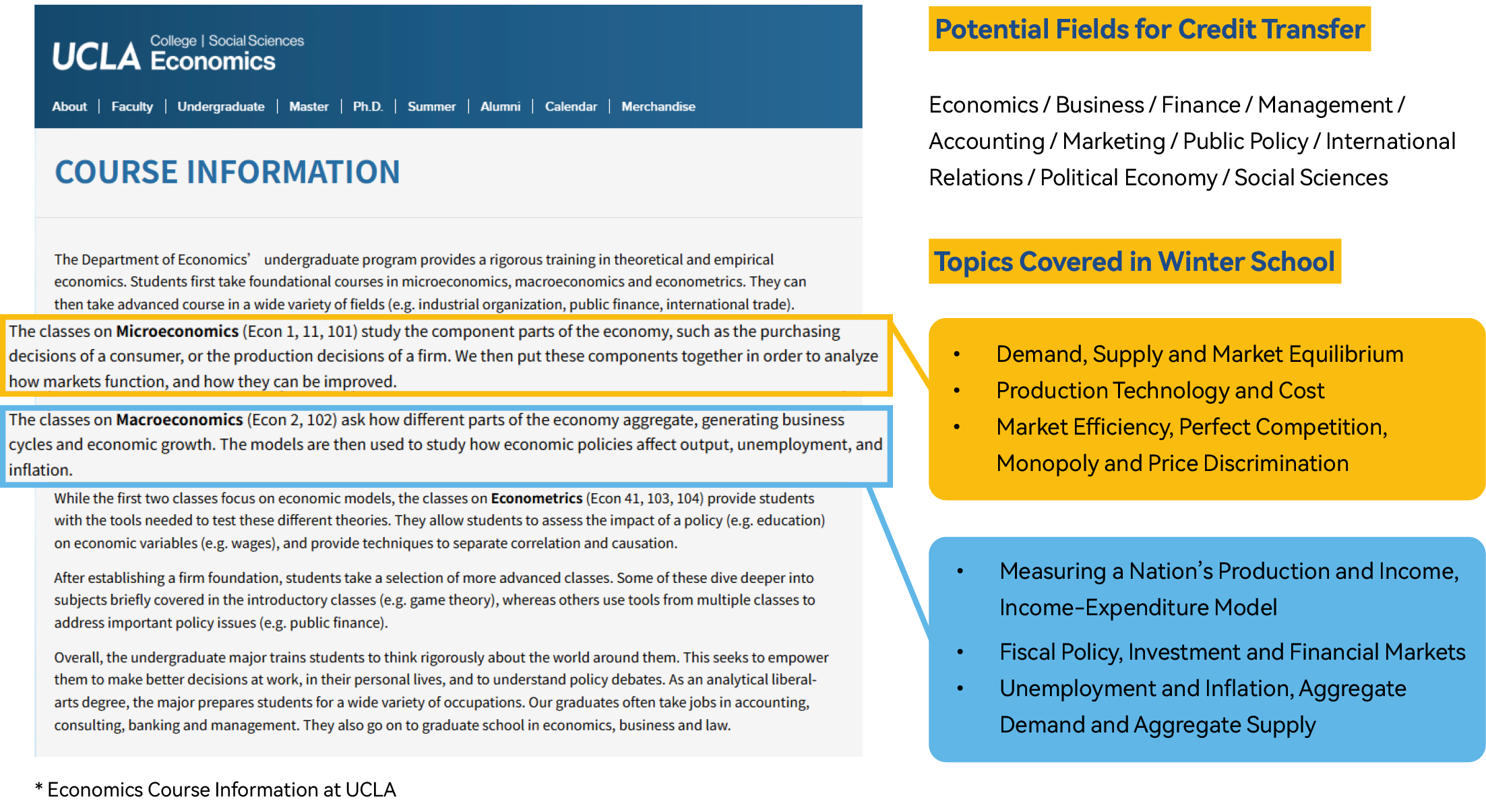
This course examines the effort of the enterprise to secure profits and the nature of demand for its products. Topics include cost and production, allocation of resources through competition, forms of market competition, relation of size to efficiency, markets for productive factors, incentives and growth and capital budgeting. Various concepts of algebra and statistics may be used to analyze economic theory and solve real economic problems.* Designed for students interested in Mathematics, Finance, Economics, etc.
* Book: Economics by William Boyes & Michael Melvin
Quota Up to 25 students per course
Outcomes
This course emphasizes both micro and macro-economic issues that have relevance in the business environment. It develops students' ability to analyze economic decisions, accurate quantitative financial analysis, and acquire financial economics skills, as well as establishes a strong understanding of market dynamics. Upon completion of this course, students will be able to:- Use analytical tools used to understand how people make choices
- Analyze contemporary economic issues by economic analysis tools
- Understand the roles of the government and the Federal Reserve in economic analysis
- Analyze how the market system solves basic economic problems
- Understand how group or collective economic decisions are made and the consequences

Faculty Profile
Nguyen T. Quan
- UCLA Instructor
- Economist
- Ph.D in Economics
Why It MattersA Foundational Course for Business Studies
Economics serves as a foundational subject across undergraduate programs in Business, Social Sciences, and Public Policy. This course content closely aligns with introductory economics and business courses offered at universities in the United States, making it more manageable for students seeking credit transfer for general courses, electives, or subject-related foundation courses.Potential Fields for Credit Transfer Economics / Business / Finance / Management / Accounting / Marketing / Public Policy / International Relations / Political Economy / Social Sciences

Course Description
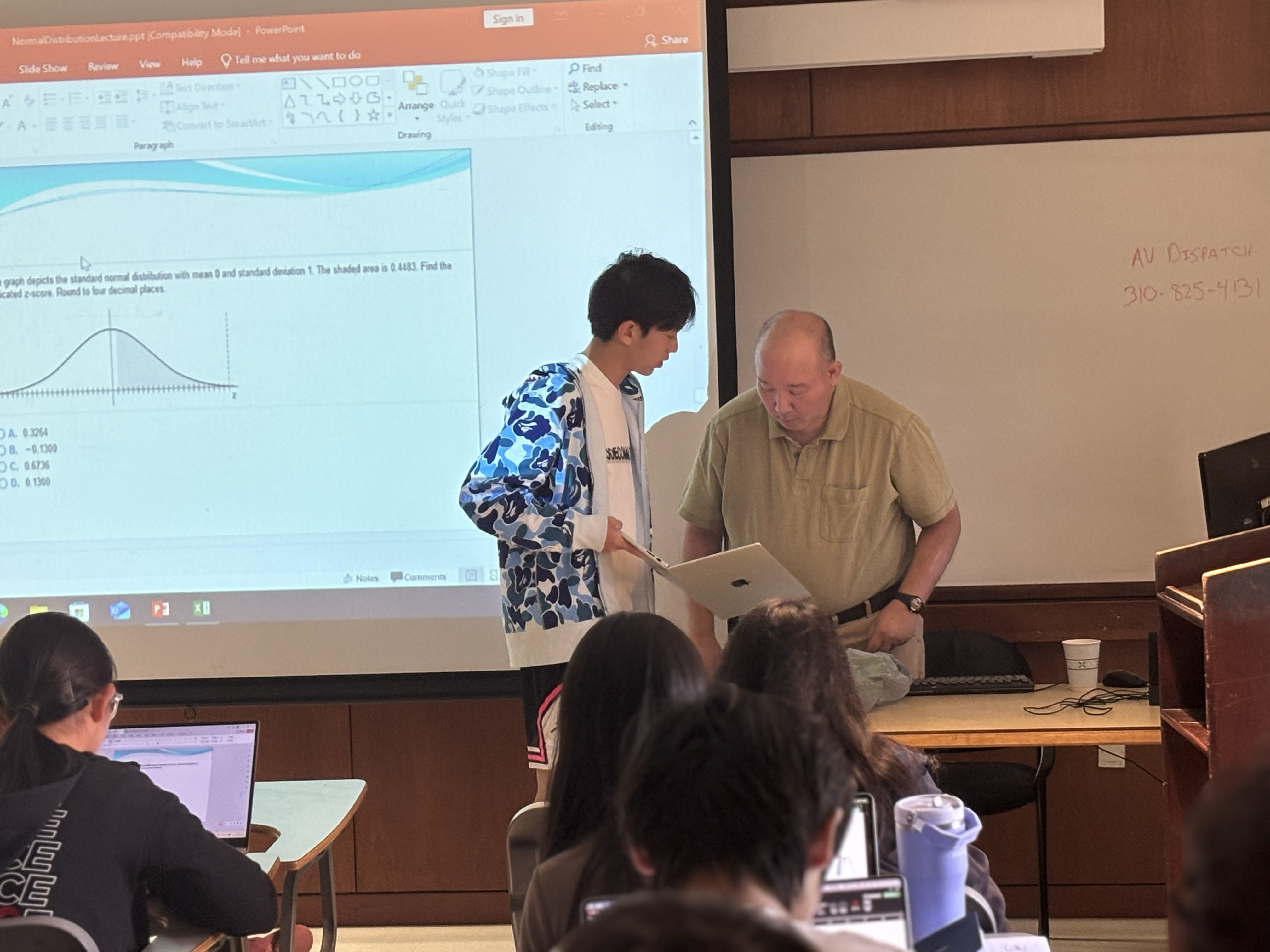
This introductory statistics course emphasizes the practical application of statistical analysis. The introduction covers the role of statistics in the fields of science, economics, nursing, business, and medical research. Topics include graphing and tabulation of data, central tendency measures, dispersion, probability theory, probability distribution, sampling techniques, confidence interval and hypothesis testing. Through case analysis and data processing exercises, students will understand how to use statistical tools and methods to solve real-world problems.
* Designed for students interested in Mathematics, Statistics, Economics* Book: Statistical Techniques in Business & Economics by Douglas Lind, William Marchal, Samuel Wathen
Quota Up to 25 students per course
Outcomes
This course provides an in-depth introduction to statistics and quantitative methods, mathematical analysis, and their applications in business and scientific contexts, offering students a solid and systematic conceptual foundation. Upon completion of this course, students will be able to:- Understand statistical terminology
- Understand various concepts of statistics and quantitative methods
- Recognize business, medical, and scientific applications of statistical data
- Appropriately use statistical techniques
- Utilize mathematical analysis
- Prepare for advanced quantitative courses such as Quantitative Analysis & Forecasting

Faculty Profile
Daryl K. Ono
- UCLA Instructor
- Professor at Mount Saint Mary’s University, California
- Ph.D. in Business and Finance
Why It MattersStatistics: A High-Demand Tool Across STEM Disciplines
Statistics is a foundational course across Business, Data Science, Social Sciences, Life Sciences, Healthcare, and Public Health. The course closely aligns with introductory statistics and quantitative methods courses commonly offered at universities in the United States, making it effortless for students seeking credit transfer for foundational coursework.
Potential Fields for Credit Transfer Statistics / Data Science / Business Analytics / Economics / Finance / Psychology / Biomedicine / Public Health / Sociology
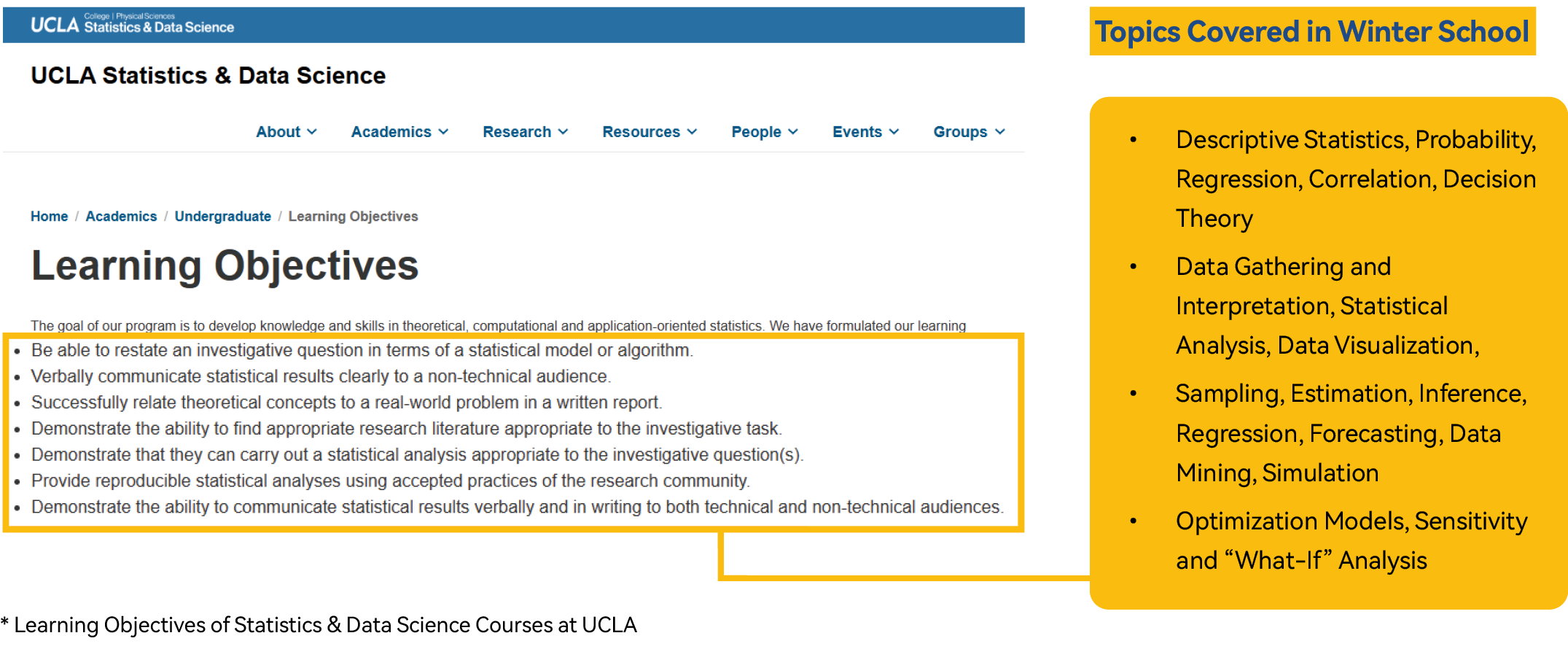
Program Outcomes
Students who complete the course and satisfy all assessment requirements will receive an official certificate of completion, an official transcript, and 4 credits. * The official transcript is produced on transcript paper including registrar signature, date, and university seal, and is obtained through Parchment.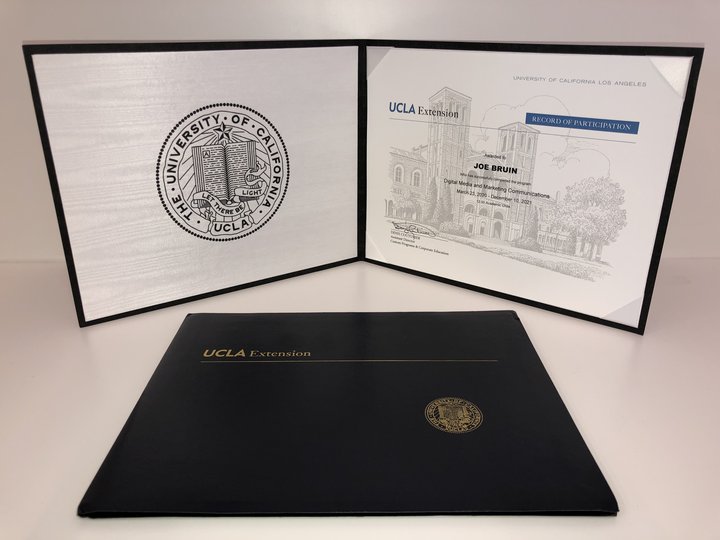
Sample Certificate
Assessment Methods
- At least 90% attendance
- Complete all required coursework
- Course exams
Assessment Criteria
The course adopts a continuous assessment system. Final grades are based on students’ exam results, performance, and instructor evaluations. Grades are classified as A, B, C, D, and F, with F indicating failure to meet course requirements. The grade distribution shown is for reference only and may vary at the instructor’s discretion. * Students are advised to achieve a grade of C or above to improve the possibility of future credit transfer.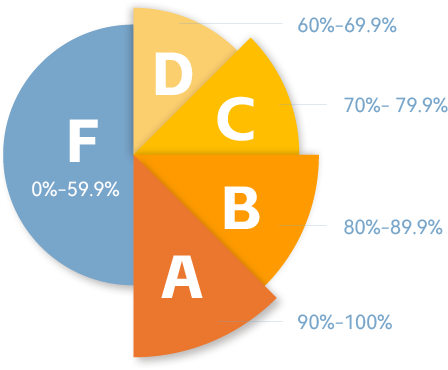
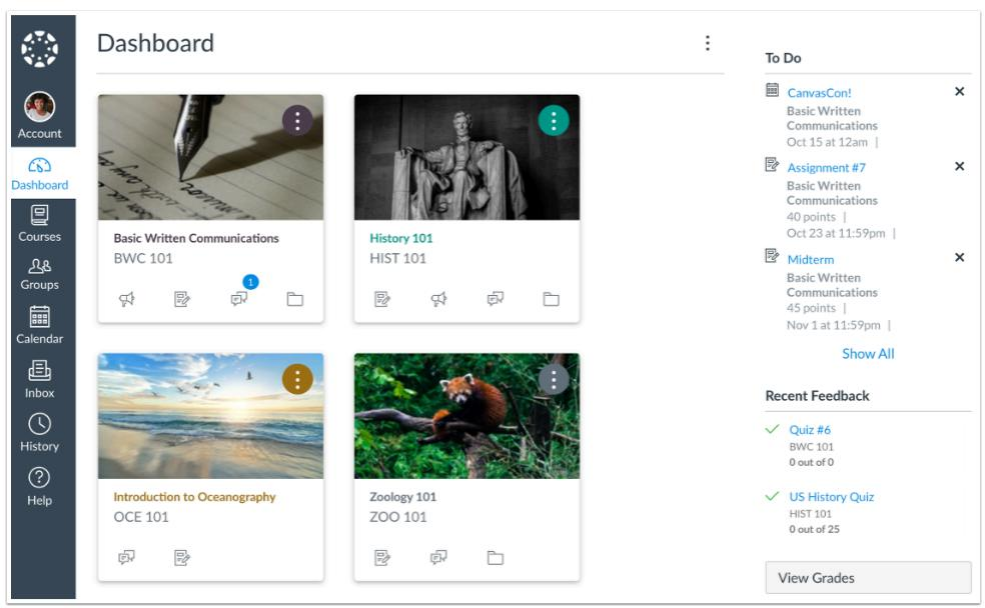
* Registration page on UCLA Canvas - Assist with Canvas registration
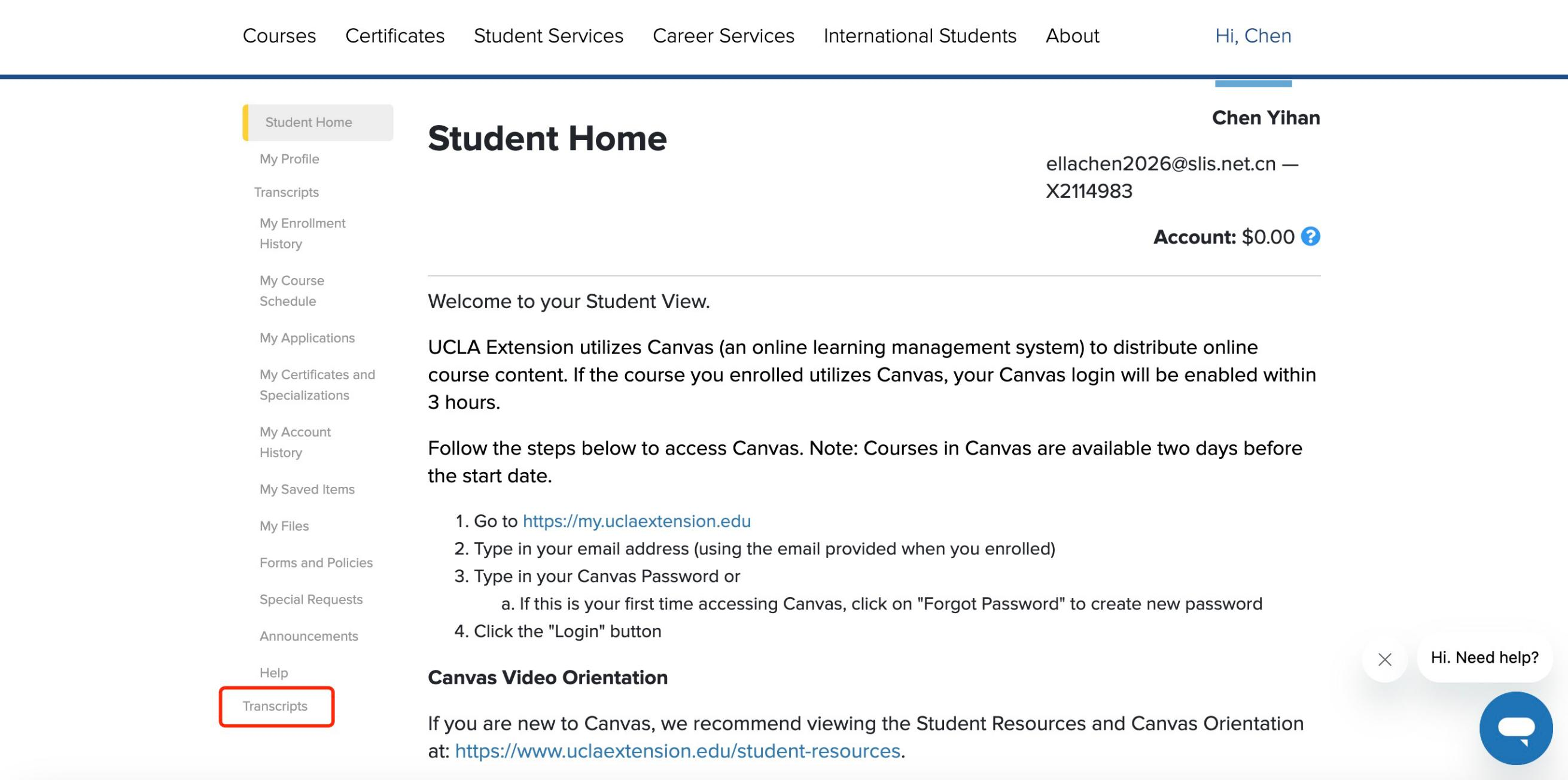
* Transcript page on UCLA Canvas - Assist with transcript & credit transfer
During Application
- Report your experience in “college credit earned in high school / Credit awarded directly by college” within the Common App or UC system
- Incorporate your experience into the Personal Statement to demonstrate your academic interest, subject exploration, and personal growth
- Get an early exposure to undergraduate-level learning and the academic curriculum, and prepare for the first year of college study
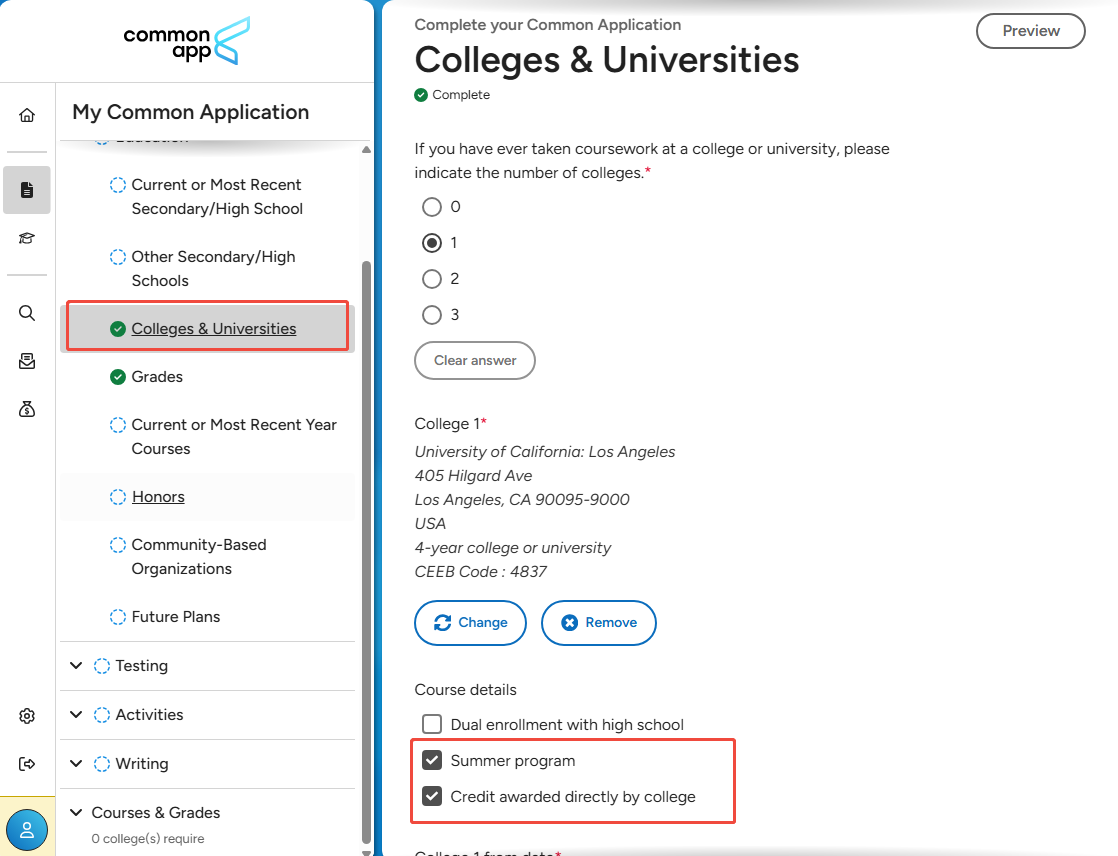
* Common App System
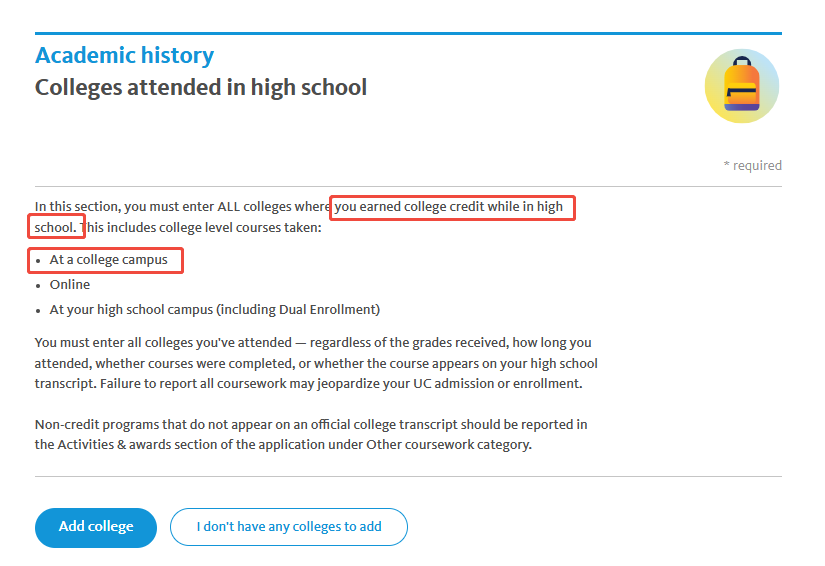
* UC Application System
After Admission
- Transfer credits to UC and California State University using official transcripts
- Credit transfer to other universities in the United States (Please consult with intended institutions in advance)
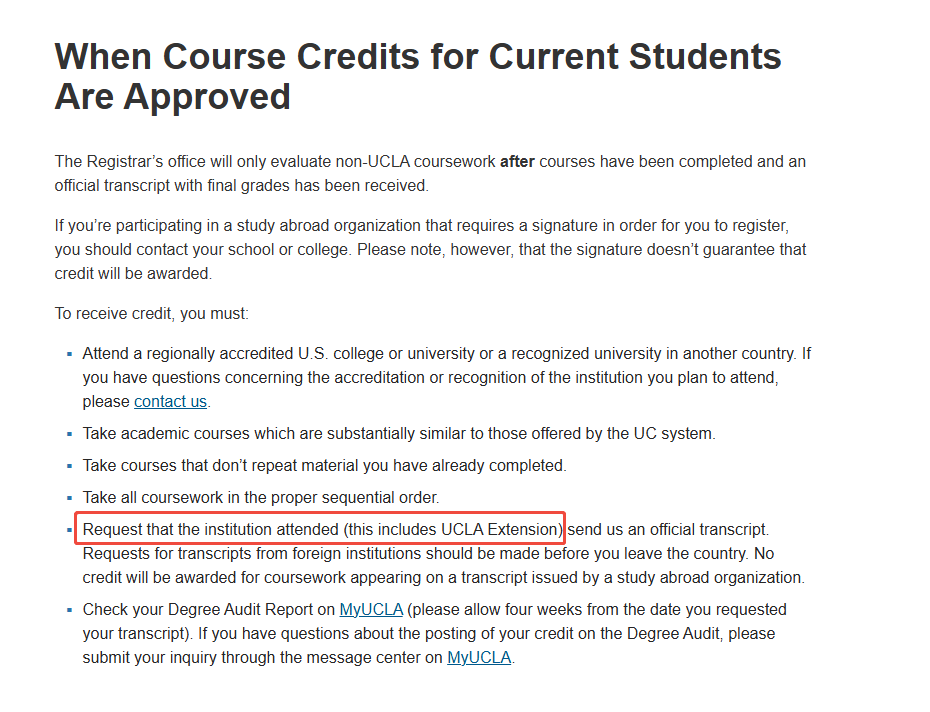
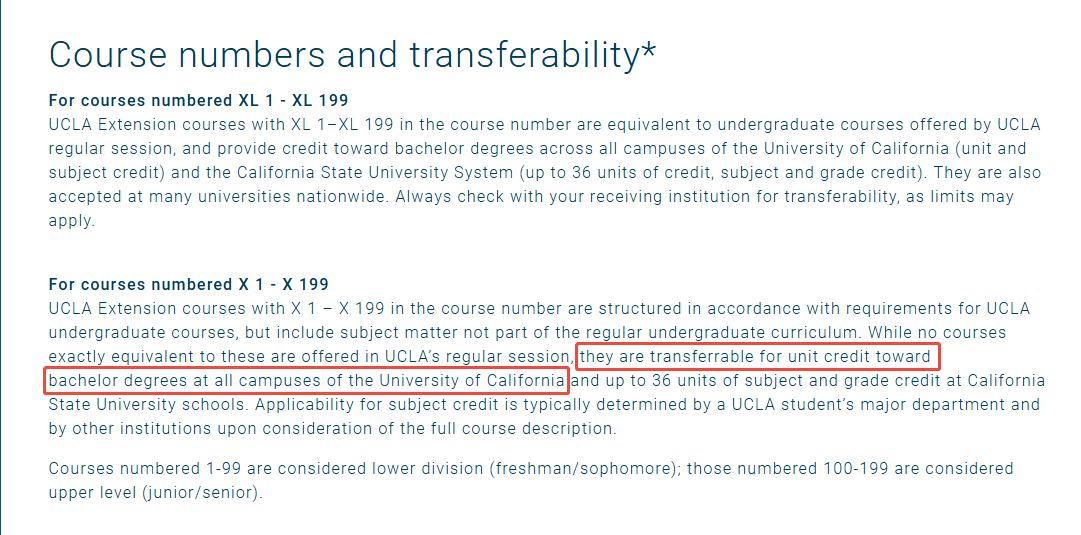
* UCLA Extension: Interpretation on the Credit Transferability
* UCLA: Interpretation on the Credit Transferability
Academic Flexibility and Future Planning
According to UCLA’s published 2026 Cost per academic year, the total cost for non-residential students is approximately USD 84,623. Based on a rough calculation for 36 credits per year, the equivalent cost per 4 credits is approximately USD 9,400 (RMB 65,800)
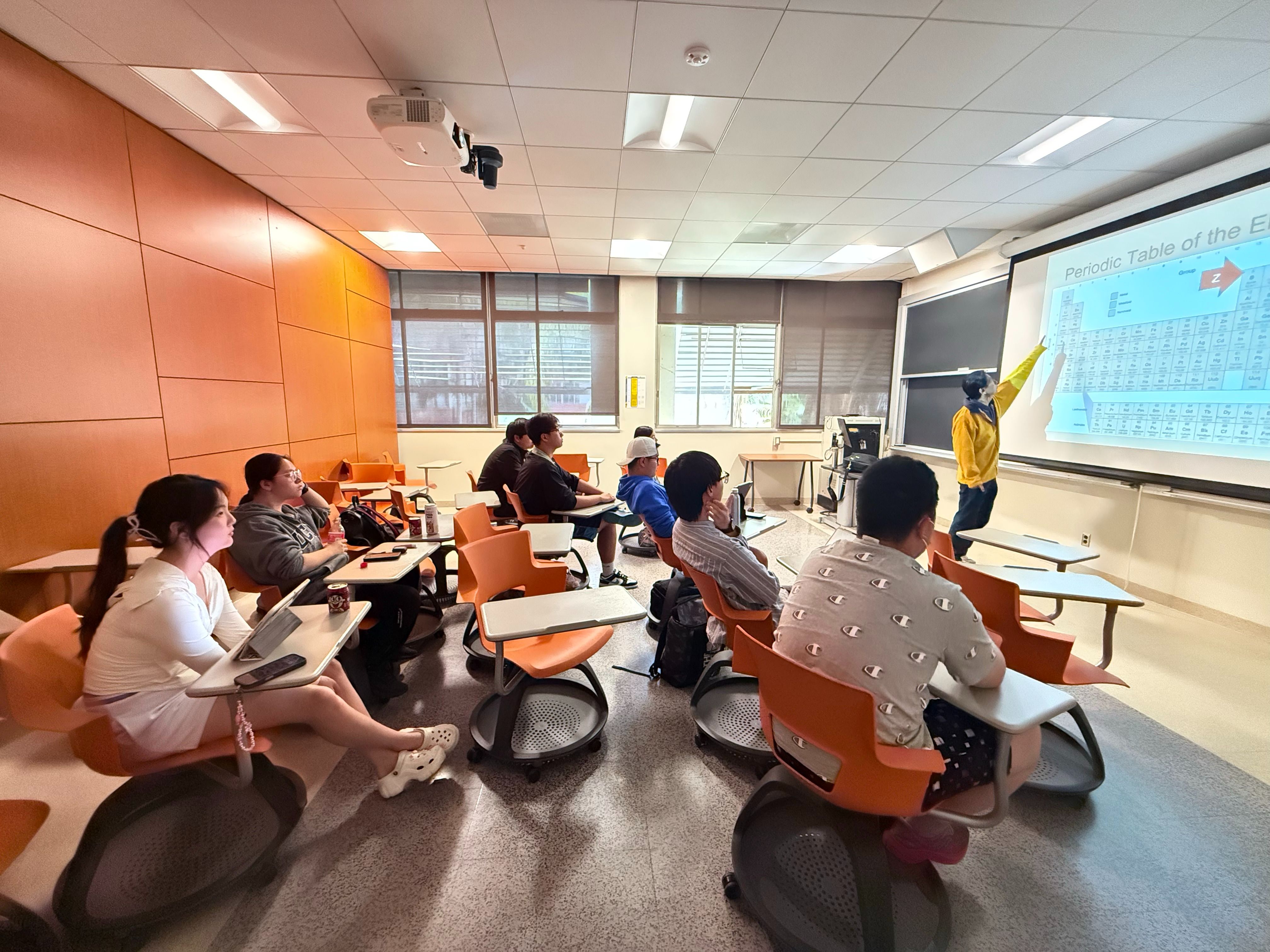
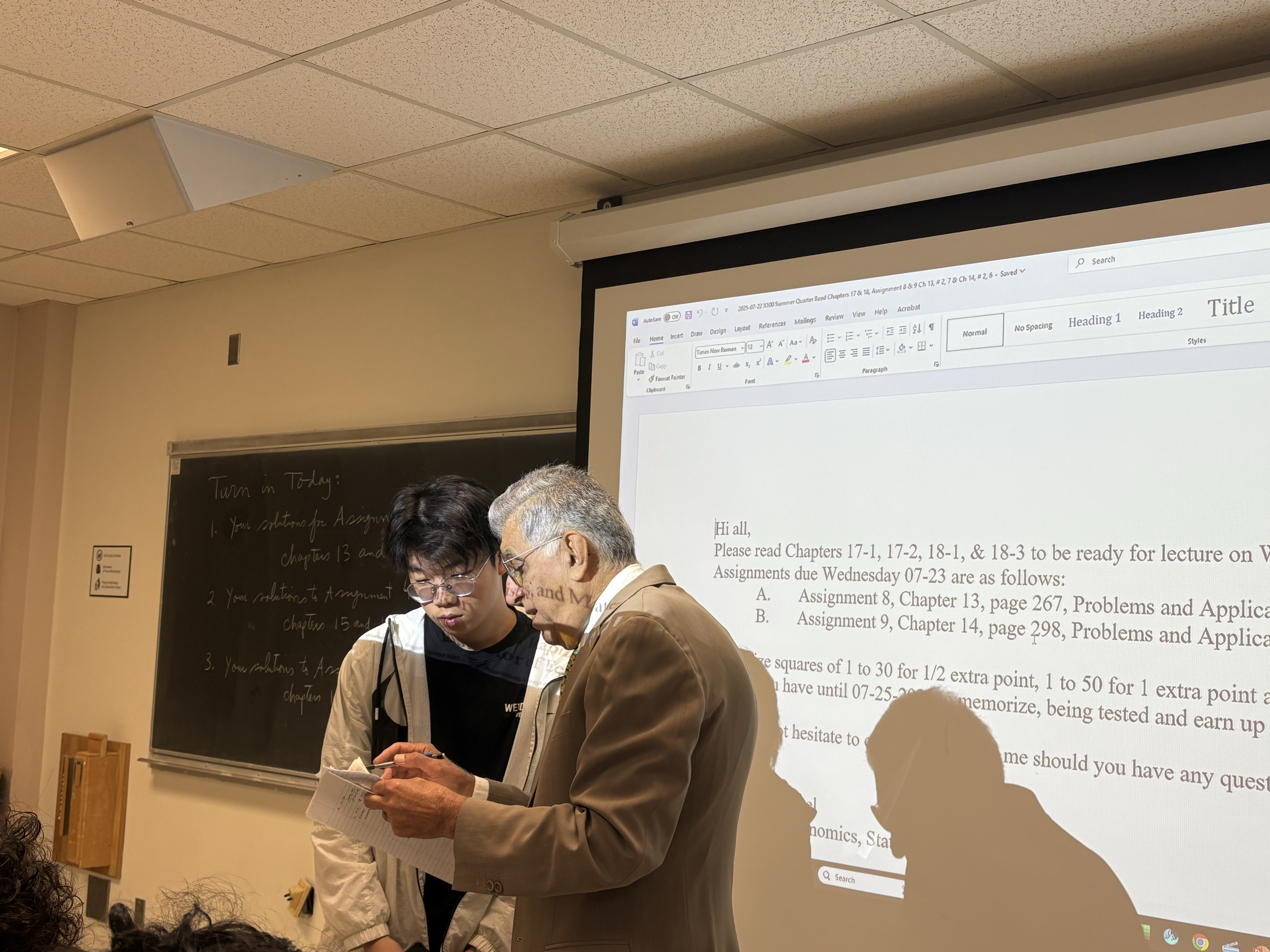
This winter program offers short-term structured academic courses that include accommodation, academic supervision, and student support services, providing students with an opportunity to complete university-level coursework with less time investment and lower cost.
* Total cost for non-resident students includes tuition, accommodation, meals, transportation, and other-related living expenses.
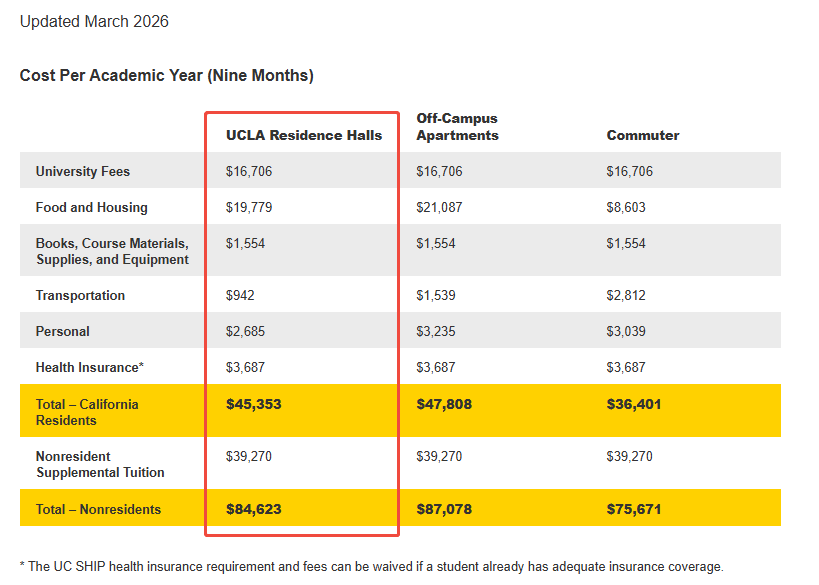
* UCLA 2026 official date
Date:
January 24 - February 4, 2027 (12 Days)Subjects:
Introduction to Statistics and Quantitative Methods (4 credits), Applying Economics to Business Decisions (4 credits)Age:
15-19 years oldQuota:
Up to 25 students per courseApplication Process:
1. Language Proficiency Requirements: To qualify for the UCLA Extension Winter School, applicants must satisfy one of the following English language criteria:- Standardized Test Scores: IELTS 6.0, TOEFL iBT 80 (pre-Jan 2026)/ 4.5 (post-Jan 2026), or equivalent.
- Complimentary Interview : Applicants without standardized scores may contact a program consultant to arrange a complimentary online or telephone English interview. Admission eligibility will be granted upon successful completion.
2. Registration & Official Admission: Upon passing the language proficiency verification, applicants must complete the registration and tuition payment to secure their place in the program. Once payment is confirmed, students will receive an official admission email from the UCLA Extension Winter School.
3. Pre-Program Assignment: To enable instructors to assess students’ academic backgrounds and to help participants clarify their personal learning objectives, the UCLA Extension Winter School requires all students to complete a pre-program assignment prior to the start of the session. The full prompt, formatting requirements, and the online submission link will be distributed alongside the official admission email.
Fee:
⭐Register by Nov 1, 2026 (23:00 Beijing Time) to receive a 500 RMB early-bird discount, which can be combined with the ASEEDER scholarship. ( ASEEDER offers scholarship deductions of up to 1,000 RMB for students who have won awards in ASEEDER STEM Challenges. For more information, please check the ASEEDER official website or consult with an ASEEDER teacher.)- Include: Tuition, hotel accommodation (one bed in a twin room), breakfast, extracurricular activities, cultural exploration fees, Universal Studios tickets, ASEEDER group leader service fee, airport transfer fees (only for flights with the ASEEDER group), bus transportation during the program, insurance, and learning materials.
- Exclude:
- International round-trip airfare (we will select 1 or 2 cities for departure and arrival from Beijing/Shanghai/Shenzhen/Hong Kong. The final assembly city will be determined based on overall enrollment and flight availability. You can use a third-party service or ASEEDER’s unified service. Please confirm with the ASEEDER teacher before purchasing tickets.)
- Visa Service Fee (optional): 3000 RMB (ASEEDER Visa Worry-Free Service guarantees that in the case of visa rejection other than the client’s own, eligible applicants will either receive a full refund of the visa service fee or a complimentary re-application, and the full program fee will be fully refunded, ensuring no financial loss.)
- Lunch and dinner fees. Students are expected to dine independently, either near the teaching venues or around the hotel area. The average cost per meal is approximately USD 20.