

Course Content
Research Frontiers in Biology, Chemistry, and Medicine
Introduction to Molecular Biology, Medicine, and Biochemical Techniques
Microbiology and Pathogen Research
Fundamental Experiments in Organic and Biochemistry
Pharmaceutical Chemistry and Applications
Analytical Chemistry and Molecular Detection Technologies
Frontiers in Green Chemistry and Enzyme Engineering
Bioinformatics and AI in Life Sciences Applications
— Introduction —
About the Oxford Biological Chemistry
Summer School
The Oxford Biological Chemistry Summer School is jointly organized by the Department of Chemistry, University of Oxford, and the Oxford Suzhou Centre for Advanced Research (OSCAR). It aims to provide students aspiring to delve deeper into bioscience and interdisciplinary fields with the opportunity to gain an in-depth understanding of cutting-edge research directions. The course will be held at the University of Oxford and led by honorary professors, research fellows, and doctors from Oxford. Upon successful completion of the programme, students will receive an official certificate of completion jointly issued by the Department of Chemistry, University of Oxford and OSCAR, along with personalized academic feedback provided by the University of Oxford’s Department of Chemistry.
ASEEDER, as the official partner of the Oxford Biological Chemistry Summer School, has been offering this immersive Oxford learning experience to outstanding Chinese high school students since 2025. In 2026, students will continue to participate in academic lectures, work in the multimillion-pound undergraduate teaching laboratory, and complete approx. 50% of the curriculum as hands-on experimental courses guided by award-winning instructors from Oxford's Teaching Excellence Awards. The programme offers specially designed project selection, BP Debate, and academic skill-building workshops with doctoral student mentorship to enable students to produce high-level final works. Beyond academics, students will reside in Oxford dormitories, participate in an exclusive Formal Dinner to experience a centuries-old academic ritual, explore iconic landmarks of Oxford and London, and the classic English countryside of the Cotswolds, ensuring a rich cultural exploration experience.
— 视频介绍 —
— Why us —
Official Summer School
Led by honorary professors, research fellows, and doctors from Oxford; gain an official certificate of completion and personalized academic feedback50% Lab-intensive Curriculum
Hands-on experiments at Chemistry Teaching Laboratory; guided by awardwinning instructors from Oxford's Teaching Excellence AwardsExclusive Biochemistry Industry Insight Tour
Visit the BEGBROKE SCIENCE PARK Centre for Innovation & Enterprise and Oxford MEStar to gain firsthand exposure to commercialized researchHigh-Valued Academic Output
DPhil-Student-Guided Project Selection, BP Debate, and academic skill-building workshops to produce high-quality final worksImmersive Oxford Experience
Reside in the Oxford dormitory, attend an exclusive Formal Dinner to experience a centuries-old academic ritualBritish CulturalLandmarks
Explore iconic landmarks of Oxford and London, and the classic English countryside of the Cotswolds to immerse in British heritage— Be a "CHEMIST" in Oxford's Chemistry Teaching Laboratory —
The Chemistry Teaching Laboratory(CTL), opened in 2018, is the Department's newest building. The state-of-the-art teaching labs provide a dedicated space for undergraduates in a fully accessible building. The labs house over £2,000,000 worth of equipment for undergraduate use, including a multi-nuclear NMR spectrometer, gas chromatograph, an HPLC set up for analysing chiral compounds, a TLC-mass spec, ICP/MS, and bench-top NMR spectrometers. The new building and equipment have helped to enable Oxford Chemistry undergraduates to enjoy a fully integrated practical course.
Under the guidance of a high-ratio instructional team (including senior lecturers, laboratory instructors, and technical specialists), students will gain hands-on experience operating equipment, including the NMR spectrometers, IR spectroscopy, rotary evaporators, vacuum filtration and sterile culture systems, TLC and melting point apparatuses, engaging in the end-to-end process from experimental design, operation, and data analysis.
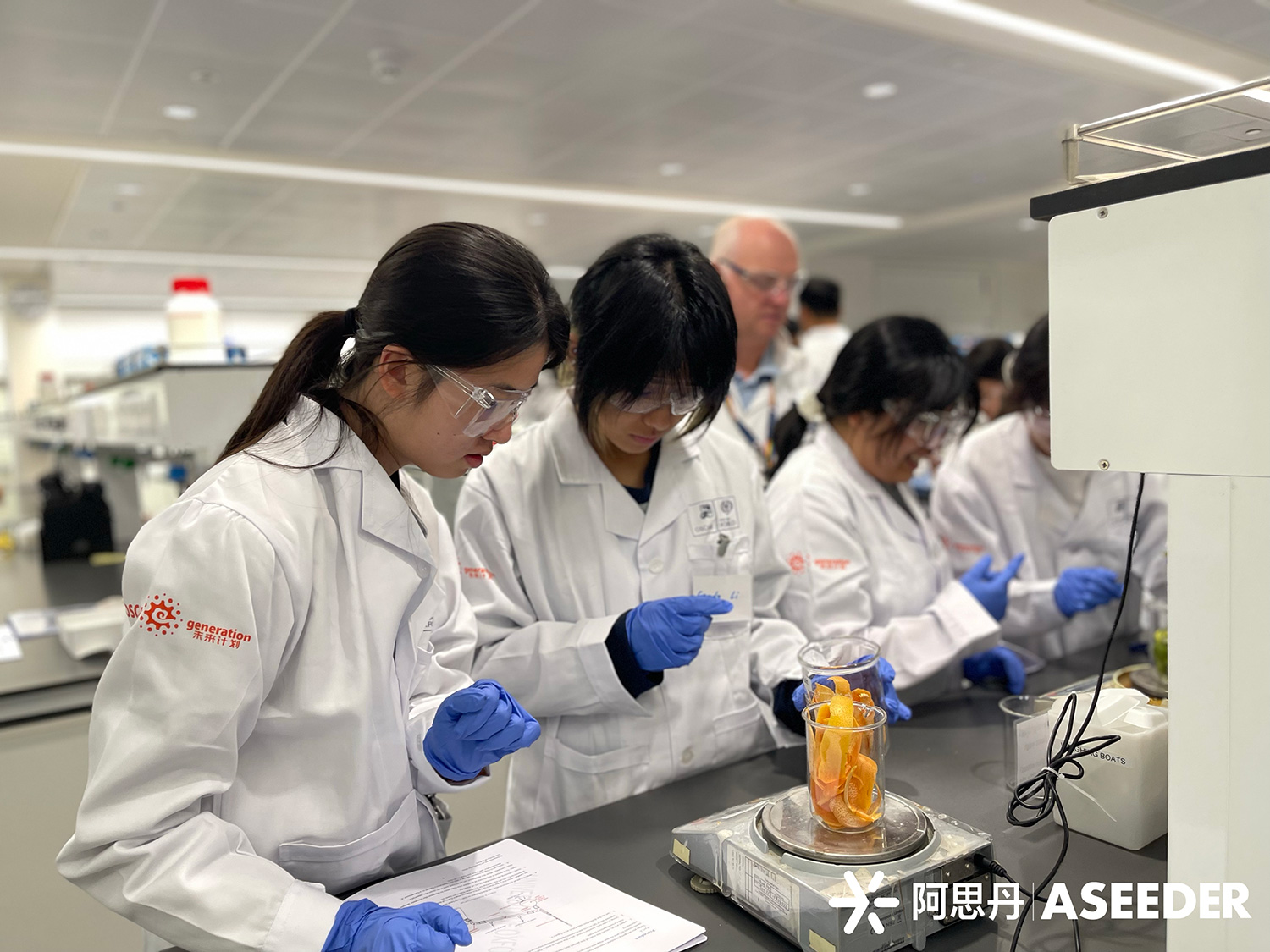
Citrus Essence
- Extraction and Analysis of Limonene
Extract natural products from citrus fruits, and analyse molecular structure and chirality using IR and NMR.
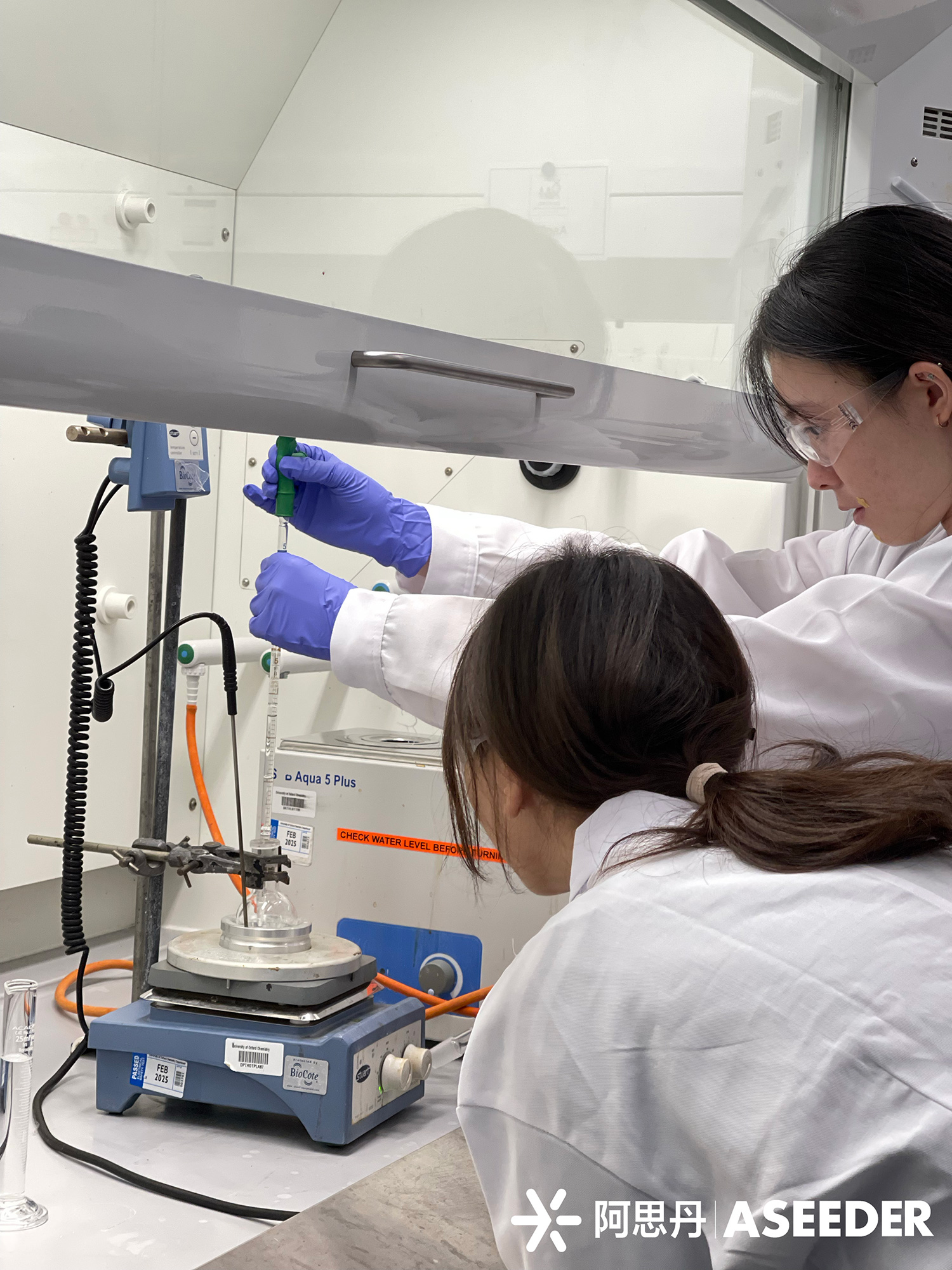
Classic Medicine
- Synthesis of Aspirin
Master operations like crystallization, purification, and spectroscopic validation via the preparation of drug molecules from wintergreen oil.
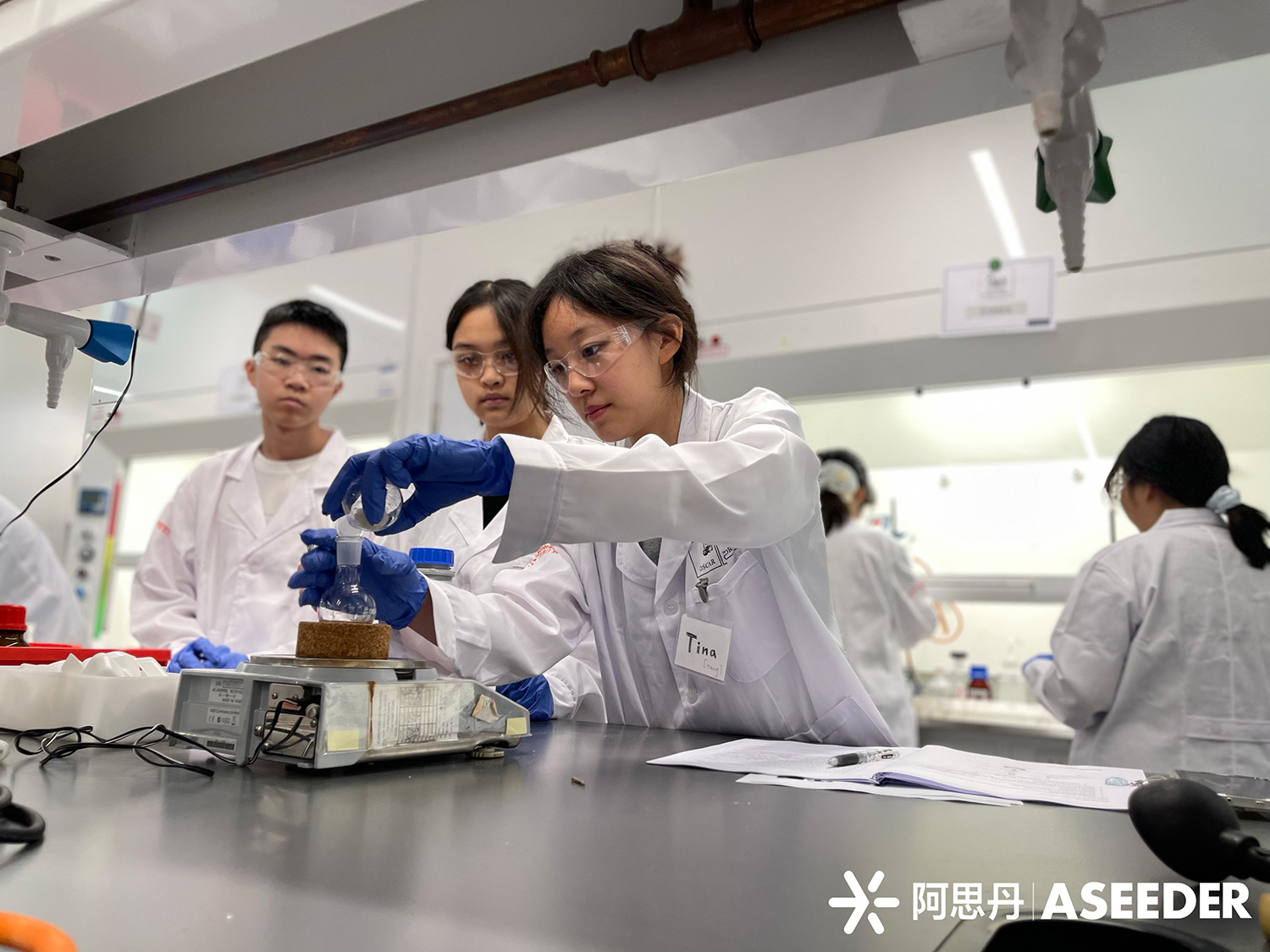
Scent Synthesis Lab
- Green Synthesis of Ester Molecules
Compare two organic synthesis routes to discuss yield, atom economy, and sustainability principles.
* Specific experiment projects are subject to the actual arrangement of the CTL.
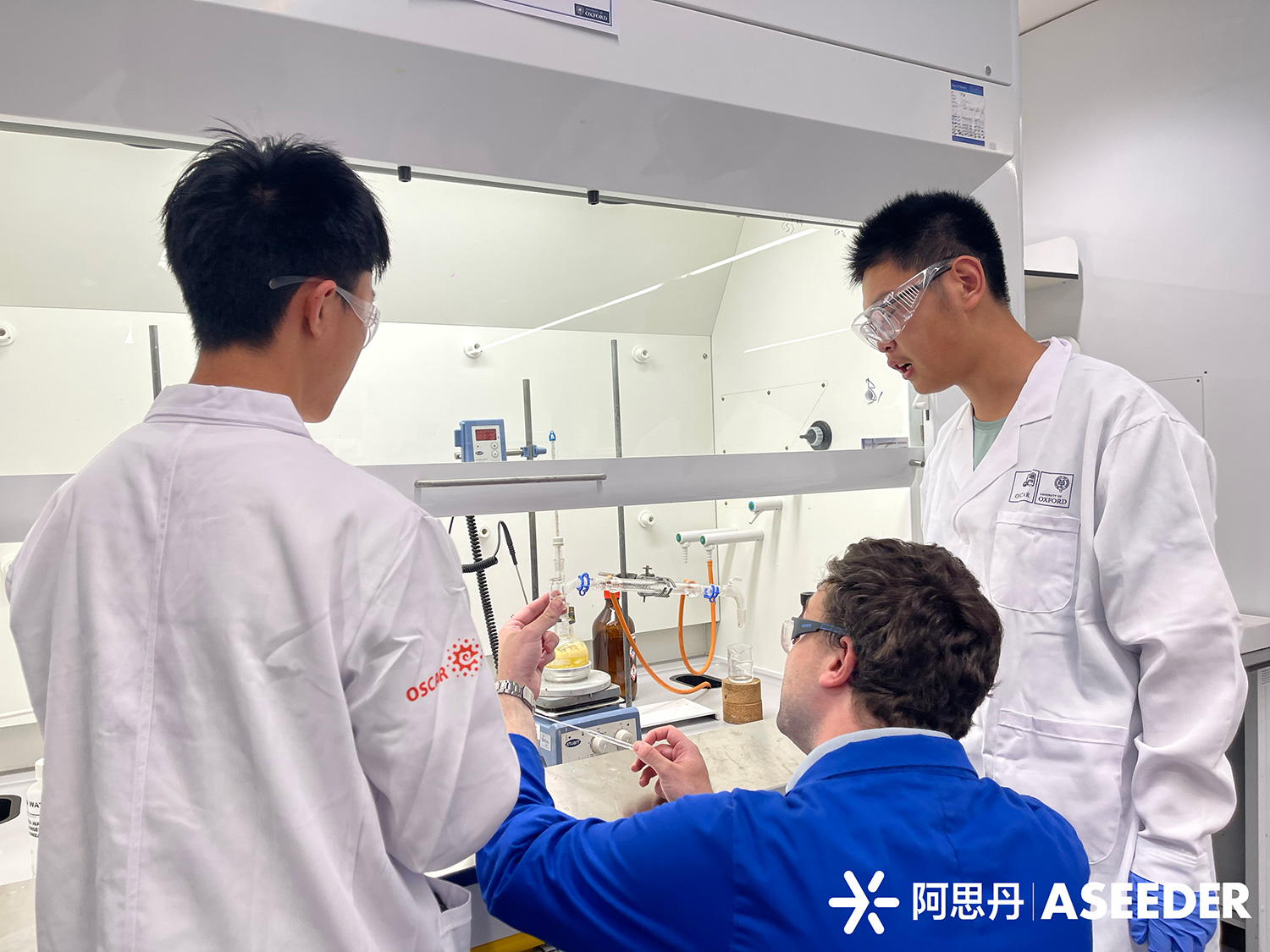
Bacterial Fighter
- Antibiotic Synthesis and Activity Detection
Synthesize antibacterial molecules, test their antibacterial activity, and analyse their purity and structures.
— Course Modules —

Academic Lectures led
by Oxford Instructors

Oxford Undergraduate
Laboratory Course

DPhil-Student-Guided Project Selection, BP Debate/Academic Skill Workshops

Biochemistry Industry Visits
CIE and Oxford MEStar Visit Tour & Industry Talks
CIE is the University of Oxford's core, wholly-owned innovation incubation platform, located in the Begbroke Science Park. It has incubated the world-leading Oxford Nanopore Technologies. Students will tour the incubation space, hear from professionals about the "lab-to-industry" translation logic, and learn about the journey of tech startup commercialization. Oxford MEStar
Oxford MEStar Limited is a biotech company incubated by Oxford's Institute of Biomedical Engineering. Leveraging its technologies in bioprocessing, bioengineering, and biomanufacturing, it has developed tissue engineering and stem cell therapy technologies, and has secured investments of £1 million in 2013 and £1.1 million in 2015. Its current research involves bioprocess design and manufacturing, bioprocessing of human primary and stem cells, cell product transport, and biomaterials applications.

Field Research
Visits to Oxford's Botanic Garden/History of Science Museum/Oxford University Museum of Natural History/Pitt Rivers Museum
— Sample Teaching Faculty —
* For reference only. Please be subject to the final arrangement of the Oxford Biological Chemistry Summer School.
-
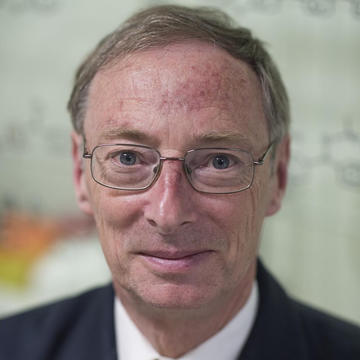
Prof. Mark Moloney
Mark Moloney is Emeritus Professor of Chemistry at Oxford University, having been there since 1990, and has more than 200 publications and 10 patents in the field of synthetic chemistry, antibiotics, and functional materials. He is Senior Tutor at St Peter’s College, Oxford. Moloney has long been engaged in research on the application of organic chemistry to the synthesis of biologically relevant compounds and the functionalisation of materials, which are of considerable importance because of their antibiotic, antibacterial, antifungal, and anticancer properties, suitable for application in biomedical devices, sensors, and implants. He is a leading university educator and has written 4 textbooks in organic chemistry; and he is Senior Editor for Organic Reaction Mechanisms, and a founding PI and Deputy Director of OSCAR Suzhou.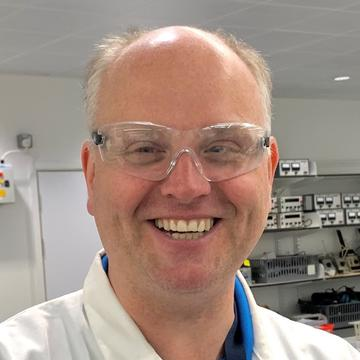
Dr Malcolm Stewar
Dr Malcolm Stewart is the Director of CTL and the Organic Stipendiary Lecturer, St Hugh’s College. He has long been dedicated to the development of a curriculum for undergraduate chemistry education. He was a member of the RSC Schools and Colleges panel, and was the scientific expert for the Usborne ‘Lift The Flap periodic table’ book, and a transition-to-university book. -
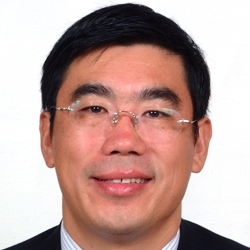
Prof. Zhanfeng Cui
Zhanfeng Cui is the Donald Pollock Professor of Chemical Engineering, the Founding Director, OSCAR, and the Professorial Fellow, Hertford College. He has received multiple recognitions and awards, including the Fellow, The Royal Academy of Engineering (2013), International Member, Chinese Academy of Engineering (2021), and Fellow, Academy of Medical Sciences (2023). He had long been focused on the Regenerative Medical Engineering and Technologies (including the bioreactor technology for tissue culture and stem cell expansion, cryopreservation of stem cells and engineered tissue, and stem cell therapy for neural degeneration and repair), and medical devices for detecting infectious diseases, including Covid-19 and cancer, with a wide-reaching influence in international academia and the fields of high-end research transformation.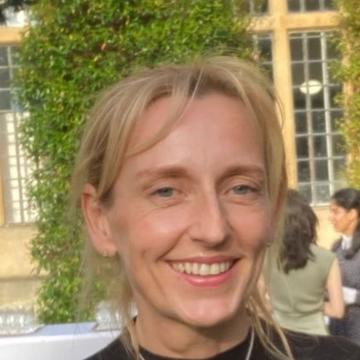
Dr. Charlotte Hancox
Dr. Charlotte Hancox is the Departmental Lecturer in Practical Chemistry, with a particular focus on Inorganic Chemistry. She completed her DPhil at the University of Oxford in the Vincent Group, where her research was on harnessing biological half-reactions for organic synthesis. Her educational interests include the development of more inclusive teaching practices. Meanwhile, she has published numerous research papers and given presentations in the fields of nanomaterials, biocatalysis, and organic chemistry education. -

Prof. Angela Russell
Angela Russell is a Professor of Medicinal Chemistry and holds a joint appointment between the Departments of Chemistry and Pharmacology. Her research interests are centered around the discovery of new molecules and mechanisms to manipulate cell fate and to translate them into therapeutic agents, particularly for degenerative diseases. She has initiated a number of collaborative research programmes, including a medicinal chemistry approach to the modulation of gene expression to treat fatal rare genetic diseases such as Duchenne muscular dystrophy (DMD). She has published over 100 original articles, book chapters, and patent applications. In 2016, she was named as a ‘Rising Star’ in the BioBeat 50 Movers and Shakers in BioBusiness report. In October 2020 she was awarded a 2021 Harrington UK Rare Disease scholarship in recognition of, and in support of, her work on developing a therapy for DMD.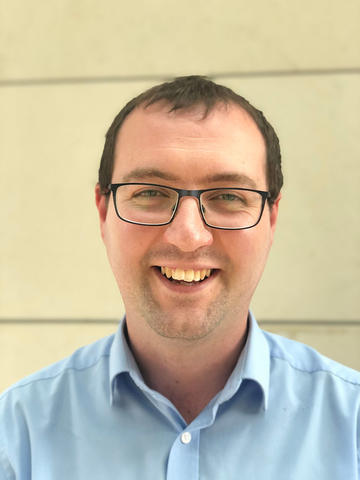
Dr. Andrew Frawley
Dr. Andrew Frawley is the Departmental Lecturer in Practical Chemistry at CTL to deliver the integrated practical course of the MChem degree, aiming to develop students’ practical skills and confidence in all disciplines of chemistry, as well as their wider scientific skills. His research focuses on the development and synthesis of photoswitchable emissive molecules and their application in super-resolution fluorescence microscopy. His work has combined organic synthesis with spectroscopy to study photochemistry and photophysics, as well as the development of new microscopy techniques. He has long been involved in the training of undergraduate, postgraduate, and postdoctoral researchers across a range of disciplines, in particular with laboratory work, developing the practical course to ensure it remains up-to-date and relevant. -
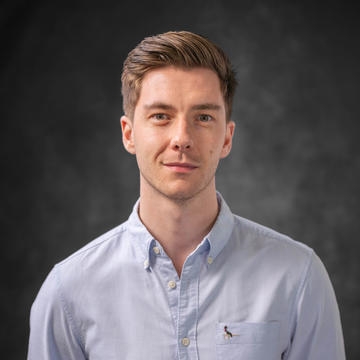
Dr. Ewan Forsyth
Dr. Ewan Forsyth is Departmental Lecturer in Practical Chemistry at CTL, with a particular focus on Organic and Physical Chemistry. He is responsible for both teaching and the development of the MChem practical course. His research focuses on the synthesis of one-photon and two-photon fluorophores, their photophysical structure property relationships, and implementation in bioimaging. His educational interests include the development of new practicals that forge links between chemistry disciplines, using research-informed and inclusive teaching practices.
— 课程结构 —
牛津导师学术专题课程
学生将在牛津大学导师团队的带领下,深入学习生物技术、植物酶工程应用、病毒检测等领域前沿知识,了解生物学不同细分领域,积累生物学相关知识储备,开拓专业视野。牛津大学博士生学术指导
该模块采用牛津大学经典的tutorial 教学模式,由牛津大学在读博士生对学生进行深入的学术指导,帮助学生在科学实践中深化所学知识,完成个人及团队学术科研任务。实验室参访及实操
学生将跟随牛津大学导师团队,参访牛津大学生物学研究机构和牛津大学官方合作生物研究公司,感受真实的生物研发环境,体验前沿生物技术,更有机会在专业人士指导下进行部分生物学实验操作。小组/个人学术任务
学生将根据学术课题进行研究,在牛津大学博士生的指导下对选定学术主题进行深入探索,完成学术主题研究报告并进行全英文展示。
校园及城市探索
学生将有机会参访牛津大学植物园、图书馆等牛津大学校内标志性场所,并前往伦敦 / 剑桥等城市,多角度感受英伦教育氛围与文化发展。Course Content
* For reference only. Please be subject to the final arrangement of the Oxford Biological Chemistry Summer School.
Molecular Biology, Medical and Biochemical Introduction
Covers DNA, RNA and protein structure and function, gene regulation, and core technologies such as PCR and CRISPR, with applications including molecular cloning and mRNA vaccine development.
Key Content:
- DNA/RNA/Protein Structure
- Central Dogma
- Principles of PCR Amplification
- CRISPR Gene Editing Fundamentals
- Molecular Cloning and Protein Engineering
- RNA Therapeutics and mRNA Vaccine Mechanisms
Chirality and Natural Product Chemistry
Introduces chirality, enantiomers and drug stereochemistry, alongside natural product extraction and structural analysis techniques.
Key Content:
- Chirality and Enantiomers (R/S Configuration)
- The Impact of Chirality on Drug Activity
- Extraction and Structural Identification of Natural Products
- Optical Activity and Spectral Analysis Techniques (NMR, IR, TLC)
Microbiology and Pathogen Research
Explores pathogen structure, infection mechanisms, antimicrobial resistance and vaccine development through real-world disease case studies.
Key Content:
- Structure of Viruses, Bacteria and Fungi
- Infection & Transmission
- Antibiotic Action
- Antimicrobial Resistance
- Logic of Vaccine Development
Medicinal Chemistry and Applications
Examines drug mechanisms, lead discovery, SAR and pharmacokinetics (ADME), with case studies including aspirin and β-lactam antibiotics.
Key Content:
- Drug Mechanisms
- Lead Compound Discovery
- Structure-Activity Relationship (SAR)
- ADME
- Target Selection and Screening Platforms
Drug Synthesis and Antibiotic Experiments
Covers multi-step organic synthesis, esterification and acylation, alongside hands-on aspirin and antibiotic synthesis with MIC testing.
Key Content:
- Multi-step Organic Synthesis Design
- Esterification and Acylation Reactions
- Antibiotic Synthesis and Testing
- MIC Assay
- Aseptic Operation Standards
- Aspirin & Antibiotic Synthesis Experiments
Analytical Chemistry and Molecular Detection Technology
Introduces modern analytical tools used in molecular identification and disease diagnostics.
Key Content:
- UV-Visible Spectroscopy
- Infrared Spectroscopy (IR)
- Gas and Liquid Chromatography
- Mass Spectrometry Analysis
- Electrochemical Detection
- Principles of Biosensors
Frontiers in Green Chemistry and Enzyme Engineering
Focuses on enzyme catalysis, directed evolution and sustainable pharmaceutical manufacturing.
Key Content:
- Enzyme Catalysis
- Directed Evolution and Rational Design
- Biotransformation Technology
- Sustainable Pharmaceutical Manufacturing
Bioinformatics and AI in Life Sciences
Presents gene sequence analysis, protein structure prediction and AI applications in drug discovery and disease diagnosis.
Key Content:
- Gene Sequence Analysis
- Phylogenetic Tree Construction
- Protein Structure Prediction
- Machine Learning in Drug Screening
— Pre-Programme Academic Research —
- Part I (approx. 5 minutes) Choose a topic from the Literature Topics. Summarize its scientific background, key questions, methods, and real-world significance.
- Part II (approx. 2 minutes) Based on courses and lab work, share the most inspiring scientific question or technique, its meaning, value, and future potential. Focus on personal insight and reflection.

The literature topic list
— Sample Schedule —
| Time | 9:30/10:00-12:00 | 14:00-15:00 | 15:00-17:00 | After 17:00 |
| Day 1 | Arrival and College Accommodation Check-in | |||
| Day2 |
|
Oxford Academic Lecture/Doctoral Project Insights | DPhil-Student-Guided Project Selection, BP Debate/Academic Skill Workshops |
|
| Day3 | Oxford Academic Lecture | DPhil-Student-Guided Project Selection, BP Debate/Academic Skill Workshops | Field Research: Oxford's Botanic Garden/History of Science Museum/Oxford University Museum of Natural History/Pitt Rivers Museum | |
| Day 4 | Oxford Academic Lecture/Doctoral Project Insights | Oxford Academic Lecture/Doctoral Project Insights | Field Research: Oxford's Botanic Garden/History of Science Museum/Oxford University Museum of Natural History/Pitt Rivers Museum | |
| Day 5 | Oxford Academic Lecture/Doctoral Project Insights | DPhil-Student-Guided Project Selection, BP Debate/Academic Skill Workshops | Field Research: Oxford's Botanic Garden/History of Science Museum/Oxford University Museum of Natural History/Pitt Rivers Museum | |
| Day 6 | Biochemistry Industry Visits: CIE and Oxford MEStar Visit Tour & Industry Talks | |||
| Day 7 | Explore iconic landmarks of London and the classic English countryside of the Cotswolds, to immerse yourself in British heritage. *Day 7 evening: hotel stay for sightseeing convenience; all other nights: Oxford college accommodation. | |||
| Day 8 | ||||
| Day 9 | CTL Experimental Course: Lab Lectures and Hands-on Operations |
|
||
| Day 10 | CTL Experimental Course: Lab Lectures and Hands-on Operations | |||
| Day 11 | CTL Experimental Course: Lab Lectures and Hands-on Operations | • ormal Dinner | ||
| Day 12 | CTL Experimental Course: Lab Lectures and Hands-on Operations |
|
||
| Day 13 |
|
Dinner | ||
| Day 14 | Departure | |||
— Moments —
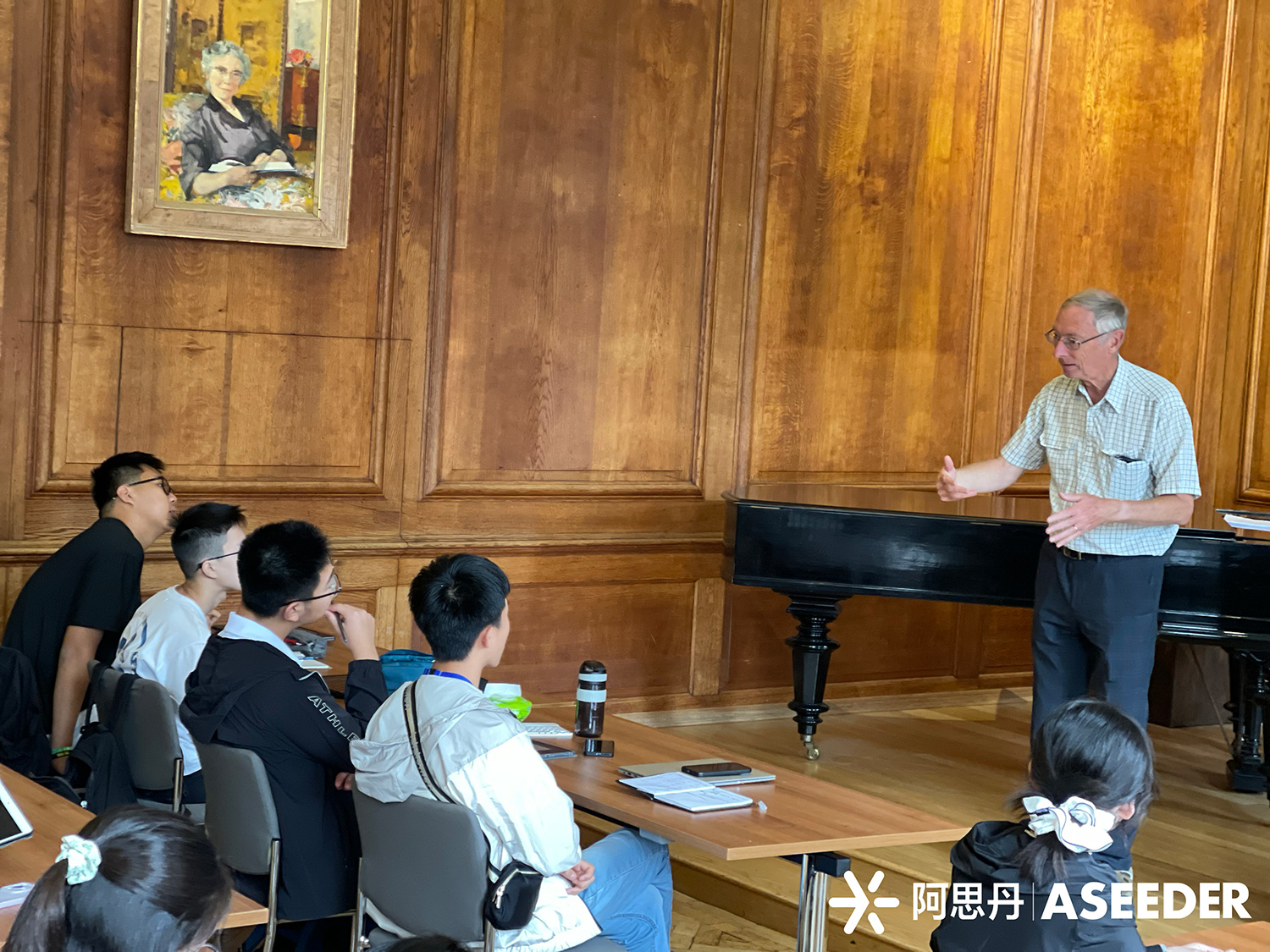
Academic Lecture
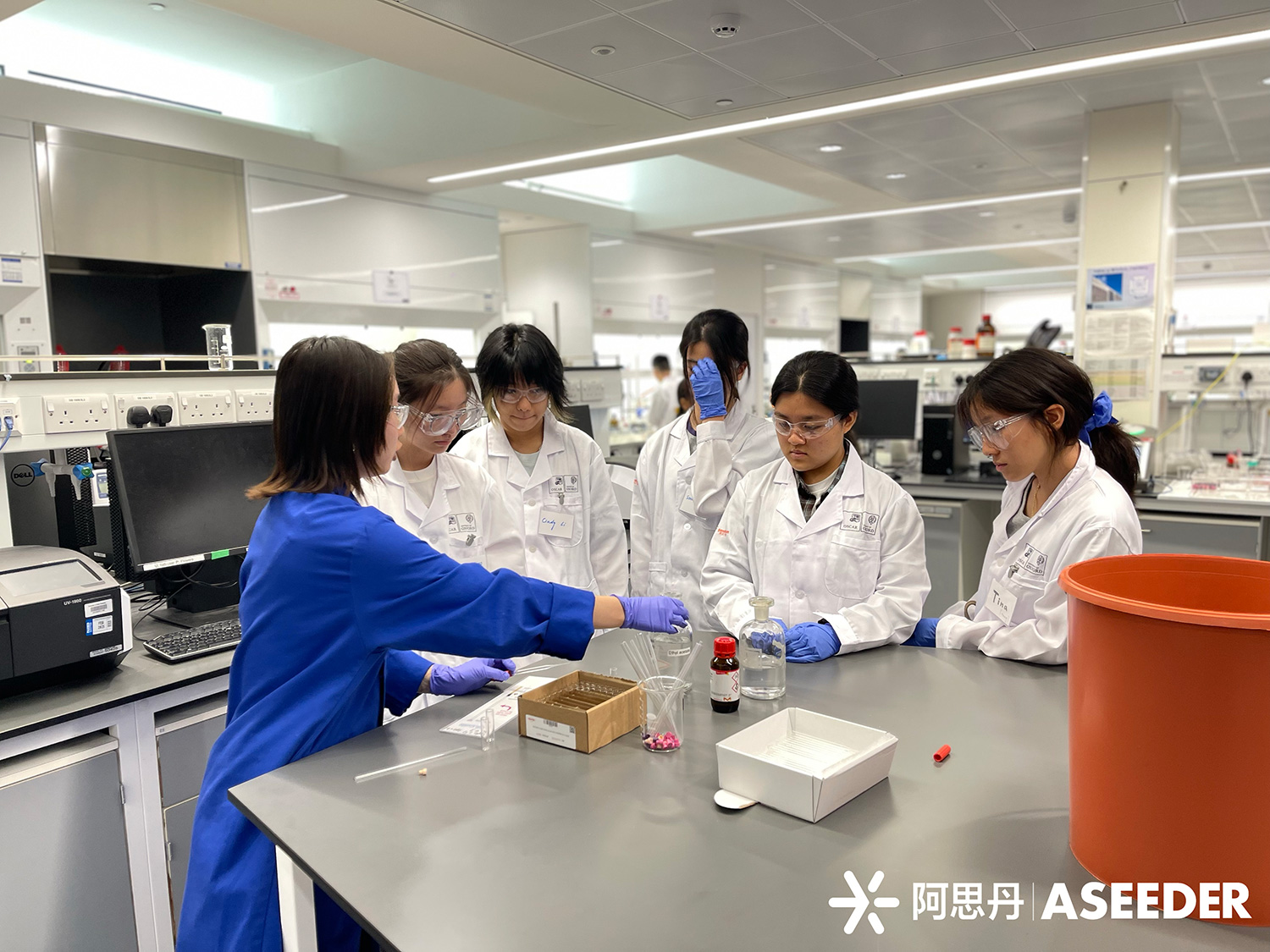
Hands-on Lab Operation
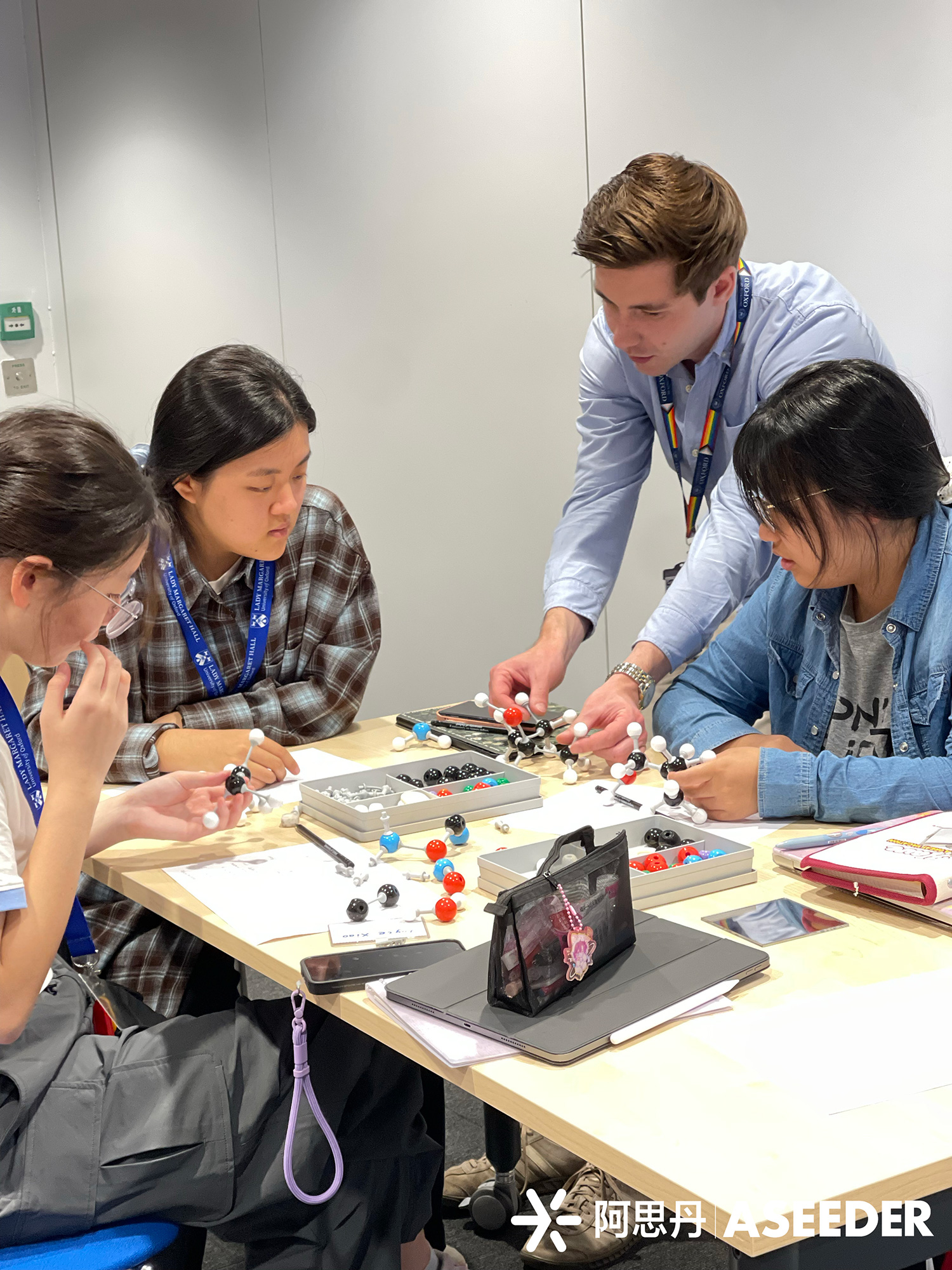
Guided by Excellent Instructors
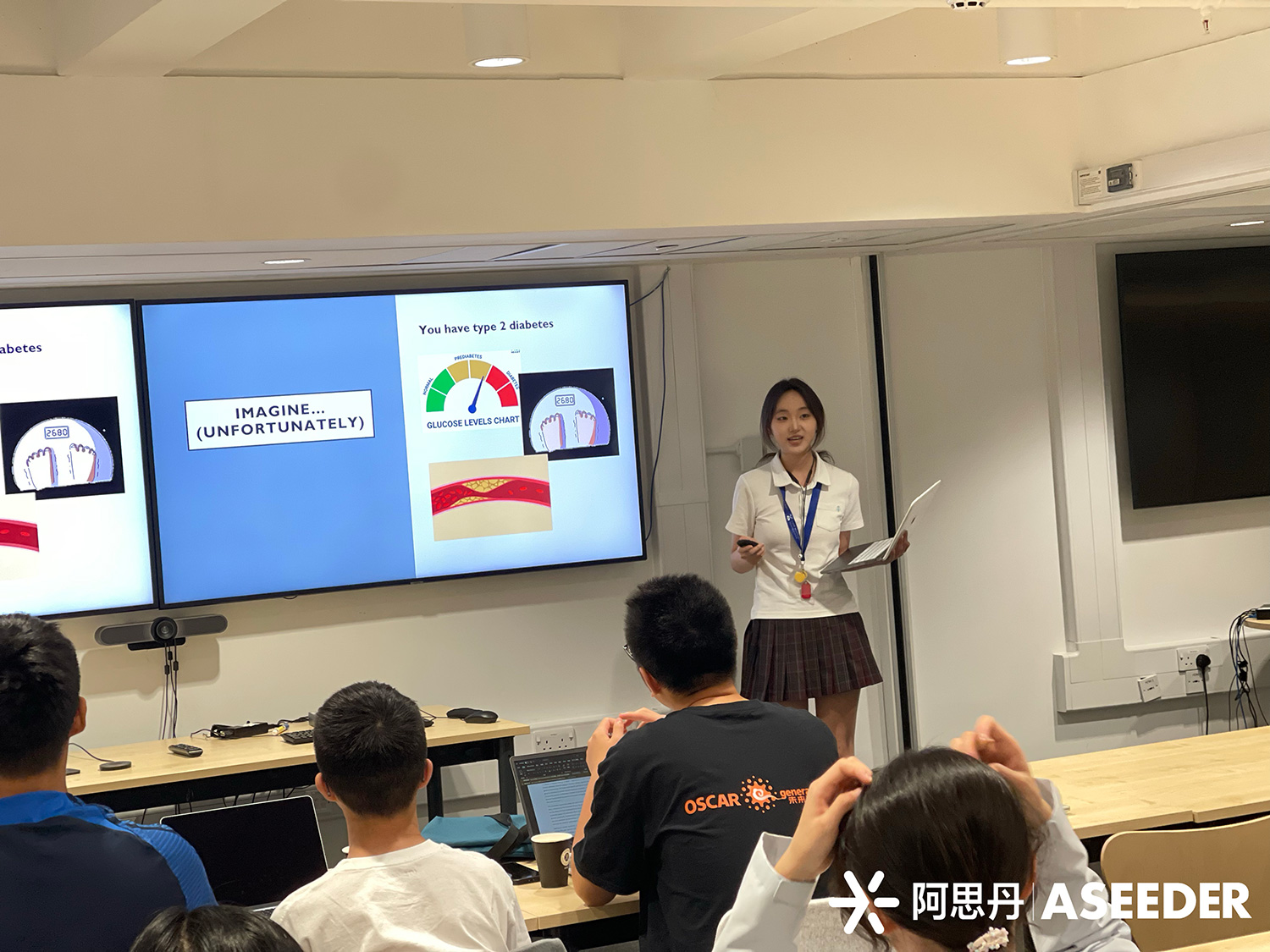
Research Presentation
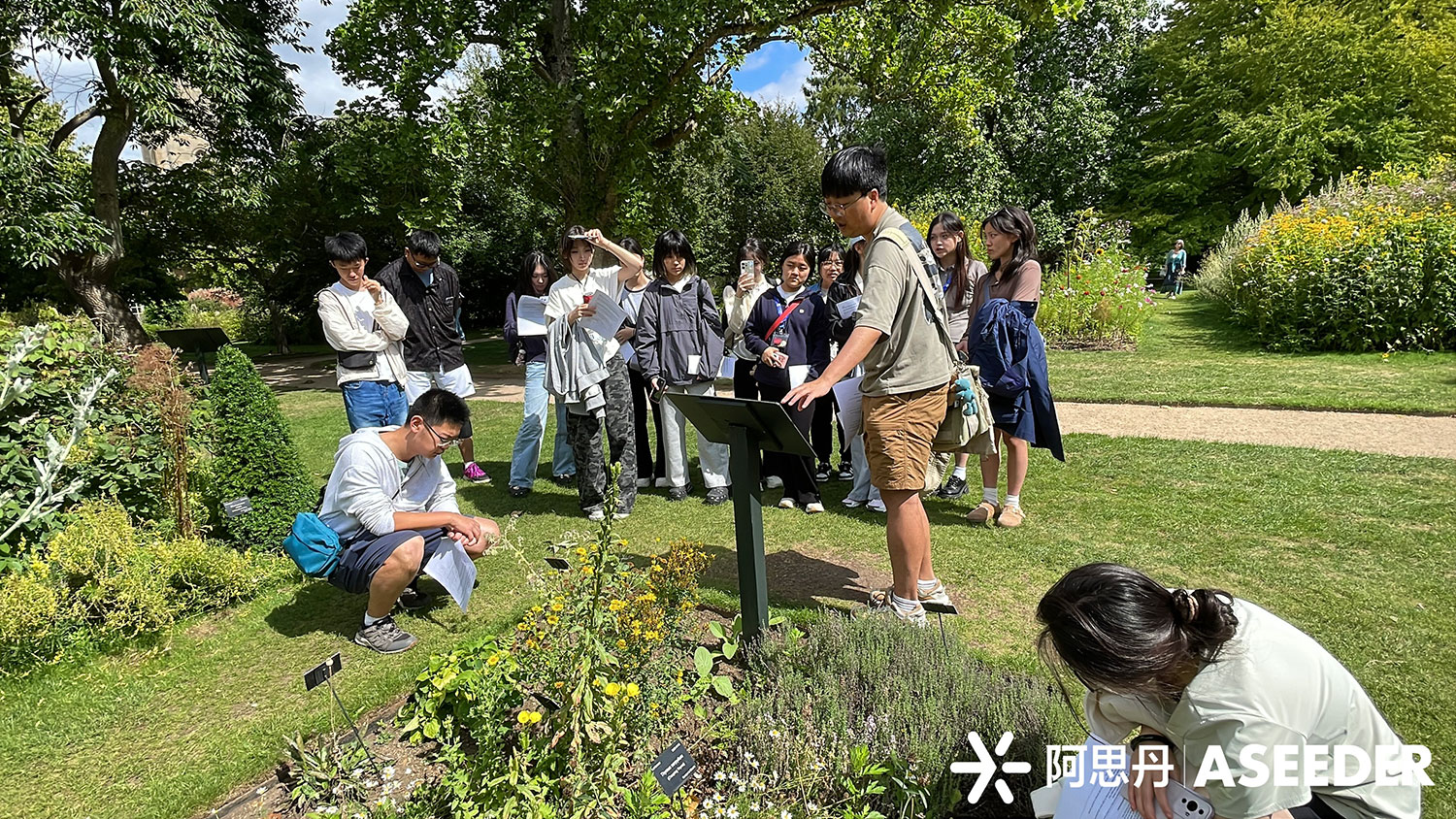
Field Research
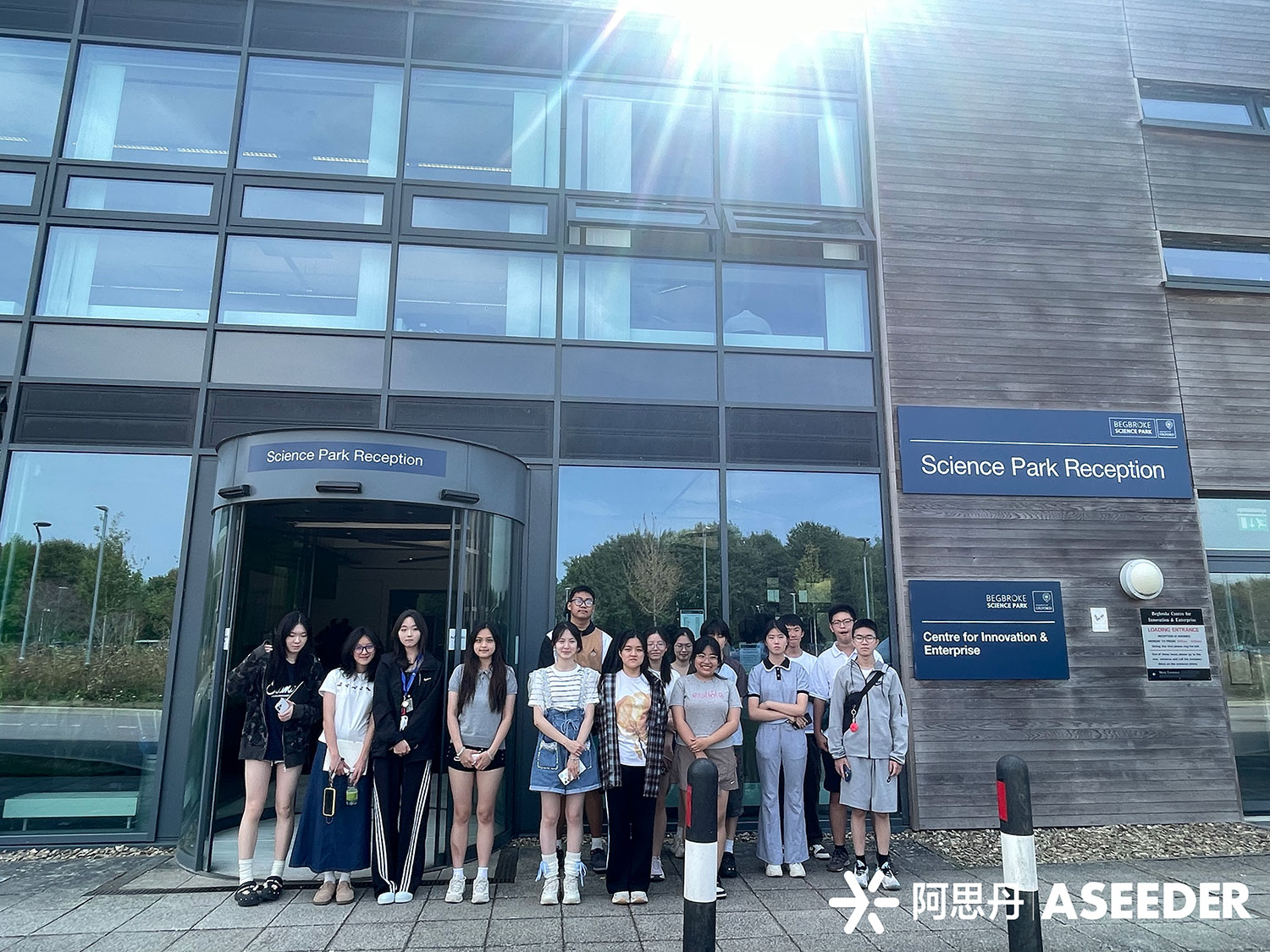
Biochemistry Industry Visit
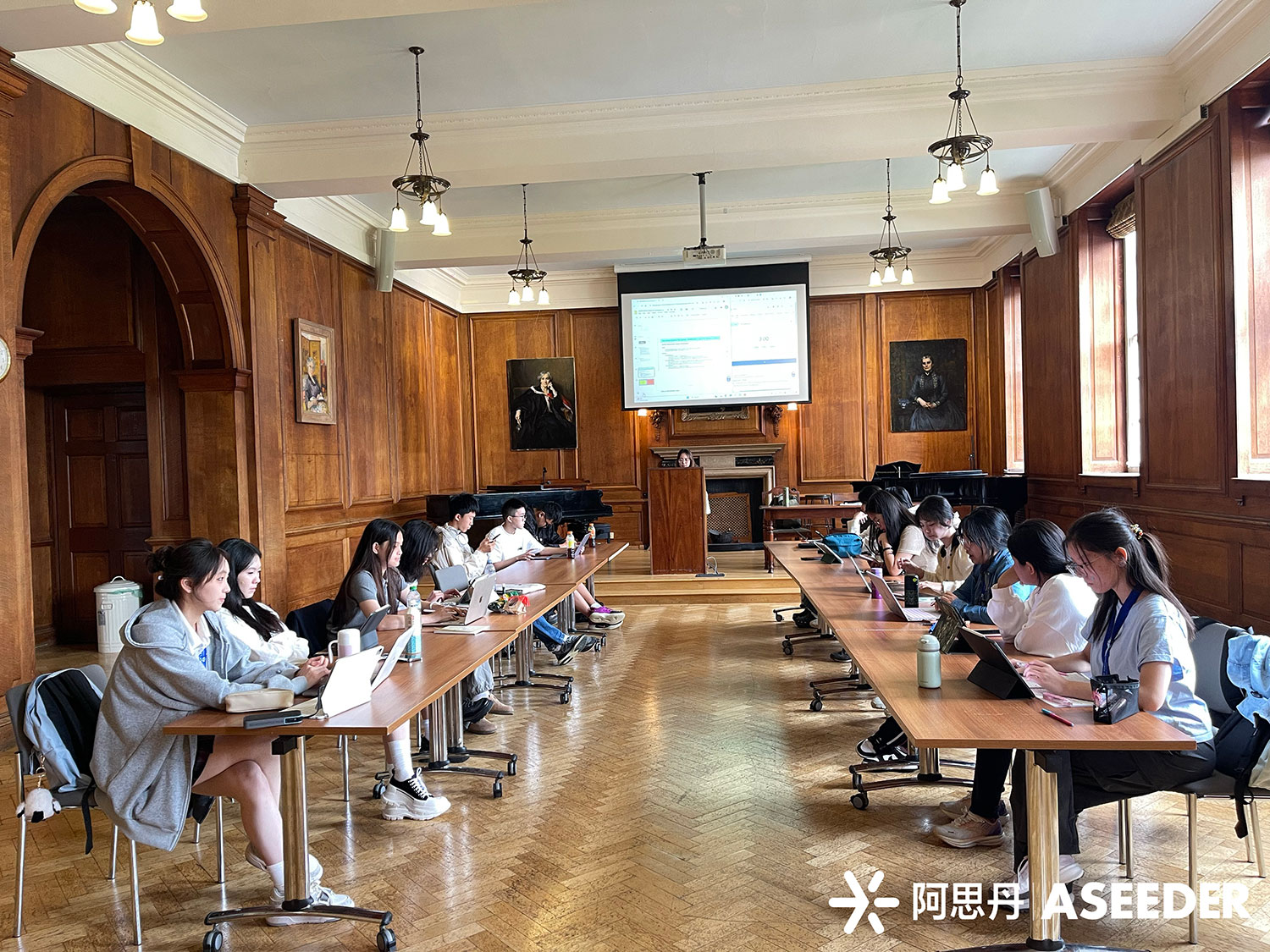
BP Debate
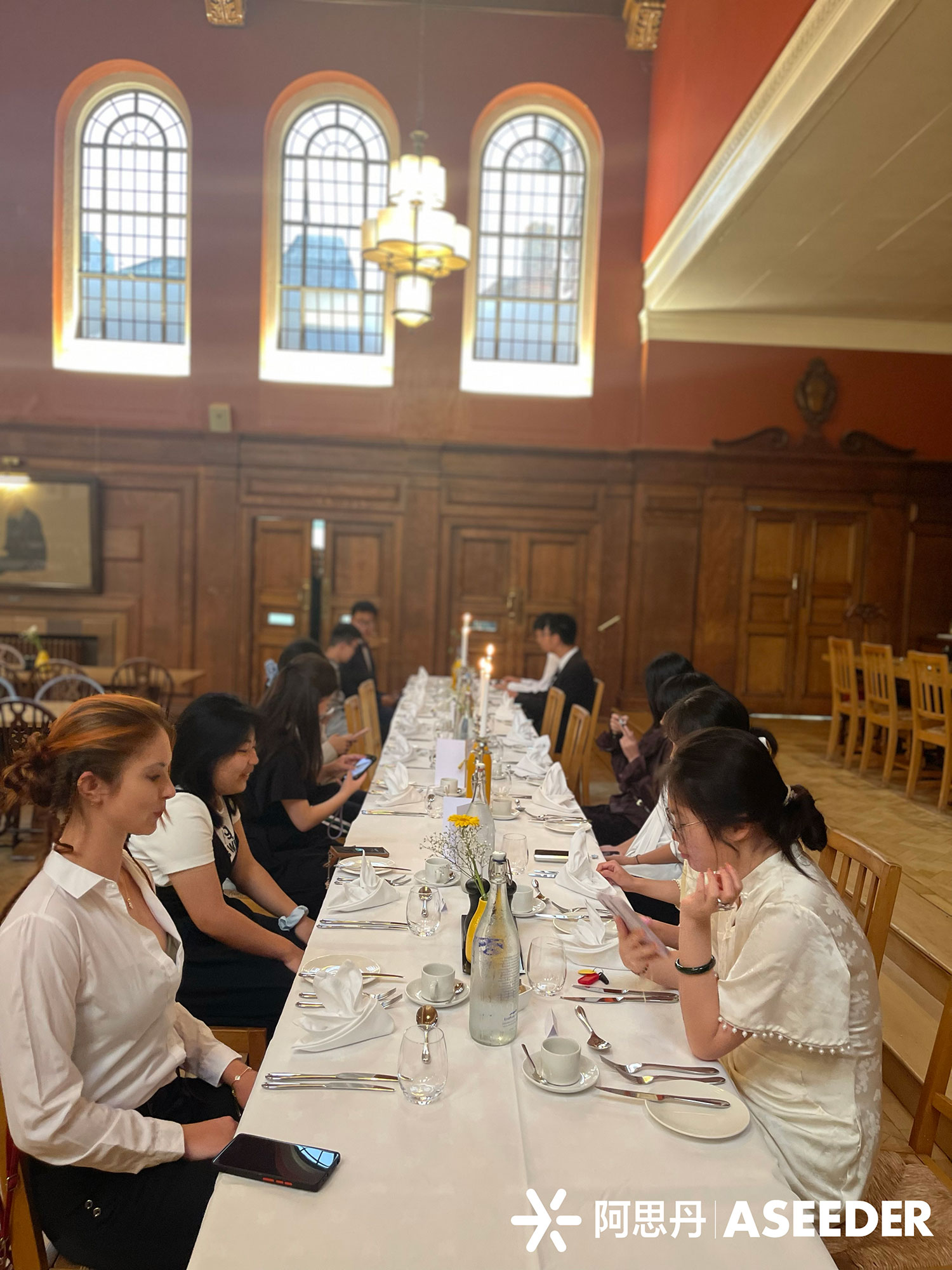
Oxford Formal Dinner
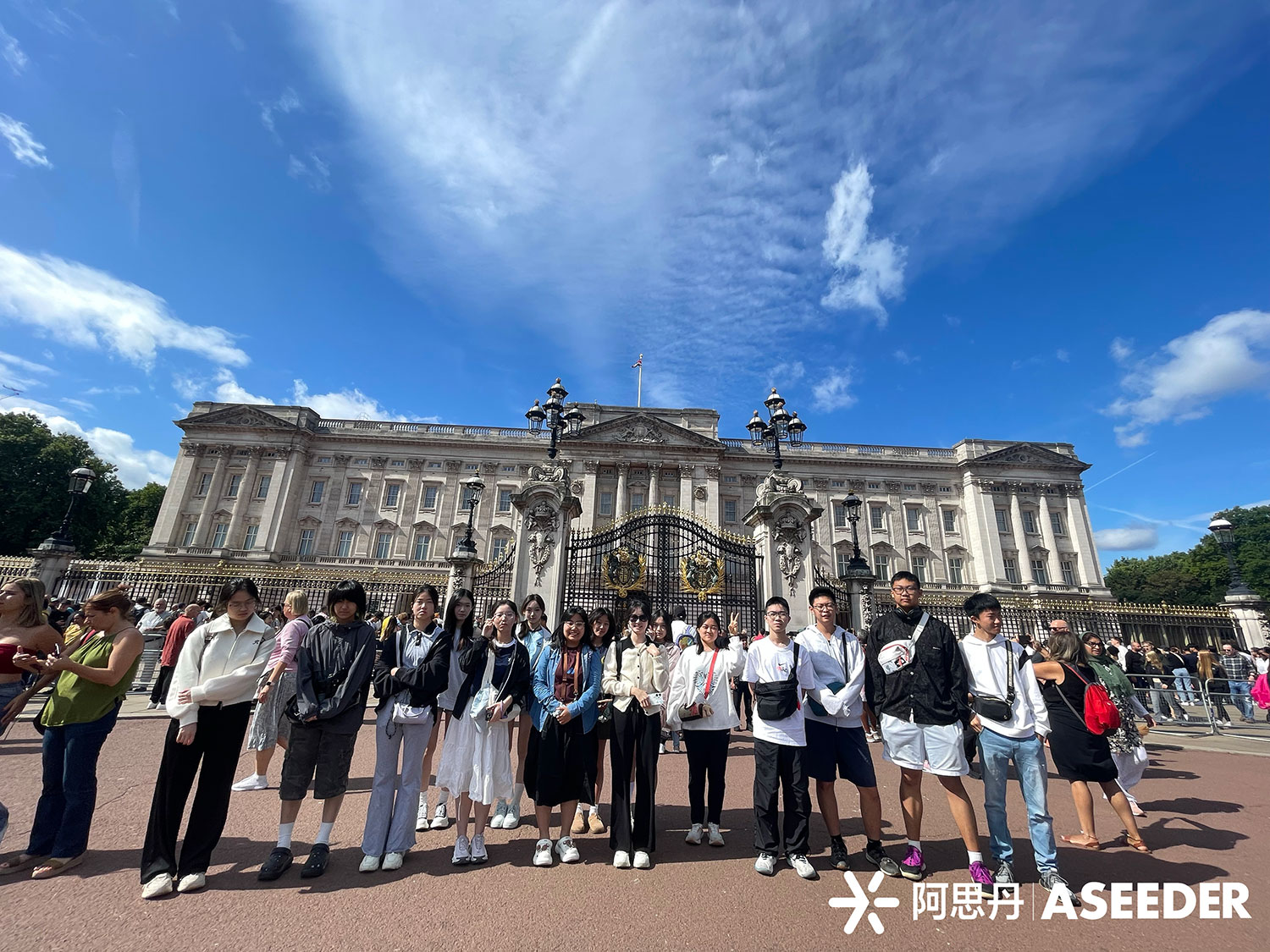
British Cultural Exploration
— Testimonials —

I thoroughly enjoyed the experiments in this project, which deepened my understanding of organic chemistry and biochemistry principles. This experience further solidified my interest in pursuing advanced studies in the life sciences and has been invaluable for my future academic choices and career planning.
——Gu,Ulink College of Shanghai
I had the opportunity to engage with professors and instructors from diverse research fields, each with profound expertise in their respective specializations. This exposure not only helped me understand the structure and branches of life sciences but also solidified my future academic interests and professional direction. At school, my focus is primarily on mastering textbook knowledge and exercises, with limited hands-on experience in practical laboratory techniques. This programme allowed me to step into a professional lab for the first time, an experience I found both thrilling and unforgettable.
——Xiao, The Affiliated International School of Shenzhen University (Zhanhua Campus)
I gained deeper exposure to knowledge in university level, which alleviated my concern about struggling to follow professors' lectures in the future. Through this summer school, I developed a much better understanding of spectra, detection methods, and synthesis techniques, and learned to apply them effectively in practice. I believe this experience will be excellent material for my personal statement, showcasing my exploration of specialized knowledge and my immersion in British culture, to make a stronger, more positive impression on future professors.
——Deng, Dalian No.24 High School
— Application —
【Date】
Jul. 26 - Aug. 8, 2026
【Location】
University of Oxford, UK
【Tailored to】
Students aged 16 and above interested in chemistry, biology, biochemistry, biotechnology, biomedicine, and life sciences.
【Requirements】
- English language level equivalent to IELTS level 6.5 or TOEFL 90, and obtain a grade A or above in one of the biology-chemistry-related subjects (or a score of 7 in biology or chemistry in IGCSE)
- A phone or online interview with an ASEEDER teacher if the above standards are not met.
【Fee】
Includes: Tuition, accommodation (single room or twin room at Oxford's dormitory), breakfast, cold lunches on 5 lab days, formal dinner, excursion and exploration, ASEEDER group leader service fee, pick-up and drop-off fees between the airport and the University of Oxford (only for the same flight with ASEEDER), cultural visit transportation, international insurance, and study materials.
Excludes:
- International round-trip airfare (ASEEDER will choose 1-2 cities for departing and arriving from Beijing/Shanghai/Shenzhen/Hong Kong; you can use a third-party service or ASEEDER's unified service). Please confirm with the responsible teacher at ASEEDER before purchasing tickets.)
- Catering: lunch on 9 non-laboratory days and all dinners during the programme (since the programme takes place on campus or in urban areas, students can choose to dine at a restaurant independently or join group meals at recommended venues at their expense under the guidance of group leaders.
- Visa and Visa Service Fee: (ASEEDER Visa Worry-Free Guarantee Service: In the case of visa rejection, eligible applicants will either receive a full refund of the visa service fee or a complimentary re-application, and the full programme fee will be fully refunded, ensuring no financial loss.)