

ASEEDER × Feishu Math Master Camp
Scan to sign up
-
ASEEDER × Feishu Math Master Camp
Igniting Tomorrow's Fields Medalists
Venue:Feishu Center - Shanghai
Who Should Apply:High-achieving Grades 9–12 students in mathematics who can thrive in an English-taught setting
Next session coming soon!ASEEDER FEISHU MATH MASTER CAMP
√ Cross-Disciplinary Math Masterclass
√ Meet the Mathematicians
√ Daily Office Hours
√ PBL Group Project Showcase
Outstanding graduates will be invited to "move in" to Feishu Planet — to "live" on the same planet as Fields Medalists and scholars from around the world, with an exclusive annual opportunity to attend in-person events featuring Fields Medal scholars.
— About the Camp —
Introduction
2026 marks a milestone year for mathematics in China, as two of the country's outstanding mathematicians have been awarded the Fields Medal. Widely known as the "Nobel Prize of Mathematics," the Fields Medal is presented once every four years to mathematicians under 40 who have made world-class breakthroughs. More than the field's highest honor, it often signals where mathematics is headed for decades to come.
To inspire more young people to discover a different side of math, ASEEDER has partnered with The Feishu‑Institute for Fields‑Inspired Mathematical Sciences, China Representative Center — Feishu — to launch the ASEEDER × Feishu Math Master Camp. This year-round series of mathematics exploration programs runs at various points through the year, scheduled around visiting scholars' availability and areas of expertise.
Through Feishu, the program brings together visiting international scholars, world-leading mathematics professors, and PhD and postdoctoral researchers to teach in English at the Feishu Center Shanghai, for outstanding high school students from across Asia. Participants will engage directly with the frontiers of global mathematical research and explore the topics shaping the field today
Outcomes Students who meet all program requirements will receive:

About Feishu
Mathematics is everywhere! The Fields Medal was established at the initiative of John Charles Fields, Professor of Mathematics at the University of Toronto, who hoped to unite the world through mathematics. Guided by that same vision — and drawing on the leadership of its Academic Committee and the support of its international partner institutions — Feishu has established international joint laboratories named after and led by Fields Medalists, including the Feferman Lab and the Hitchin–Ngô Lab, and continues to invite Fields Medalists to take part in its academic forums and research collaborations.
The Feishu is engaged with a diverse, impact-driven, and interdisciplinary group of scientists, educators, and professionals, united in their commitment to addressing the world's most pressing challenges. Through science, innovation, capacity building, knowledge sharing, and policy outreach, we drive solutions for a more sustainable future.
For more details, please visit the Feishu website: https://www.feishu.ca/index.html
— Sample Program Structure —
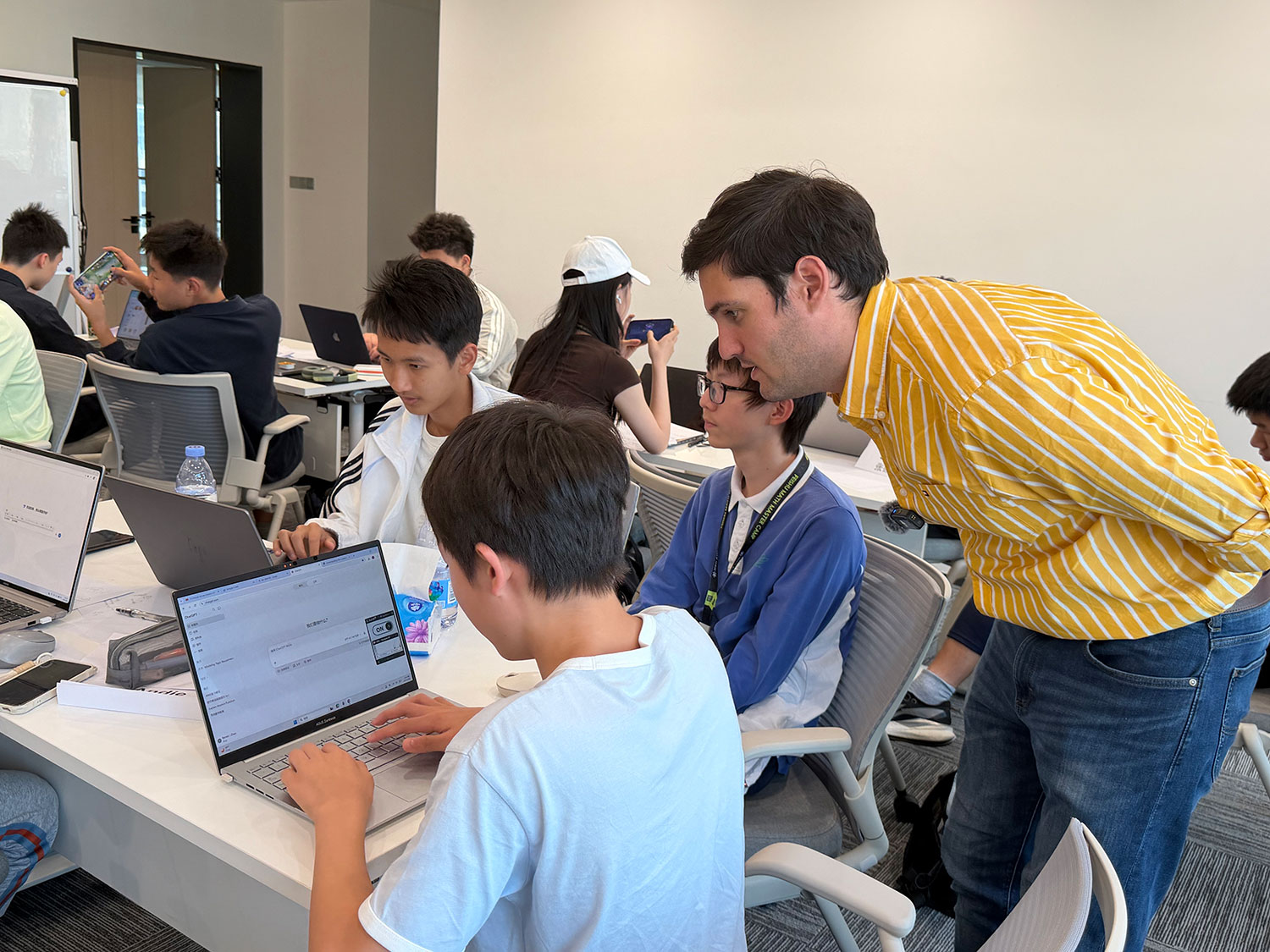
Over the course of one week, students will take part in interdisciplinary mathematics masterclasses, dialogues with mathematicians, daily office hours, and PBL group project showcases — discovering the world of mathematics while learning to observe, question, analyze, and solve problems the way mathematicians do.
PART 01 Δ-Math | Discovering the Boundless Frontiers of Mathematics
Math x Global Challenges
- Global challenges through a mathematician's lens — and how to solve them: mathematical modeling, AI, and quantitative analysis
- Exploring and applying mathematics in climate governance, clean energy, resilient infrastructure, and beyond
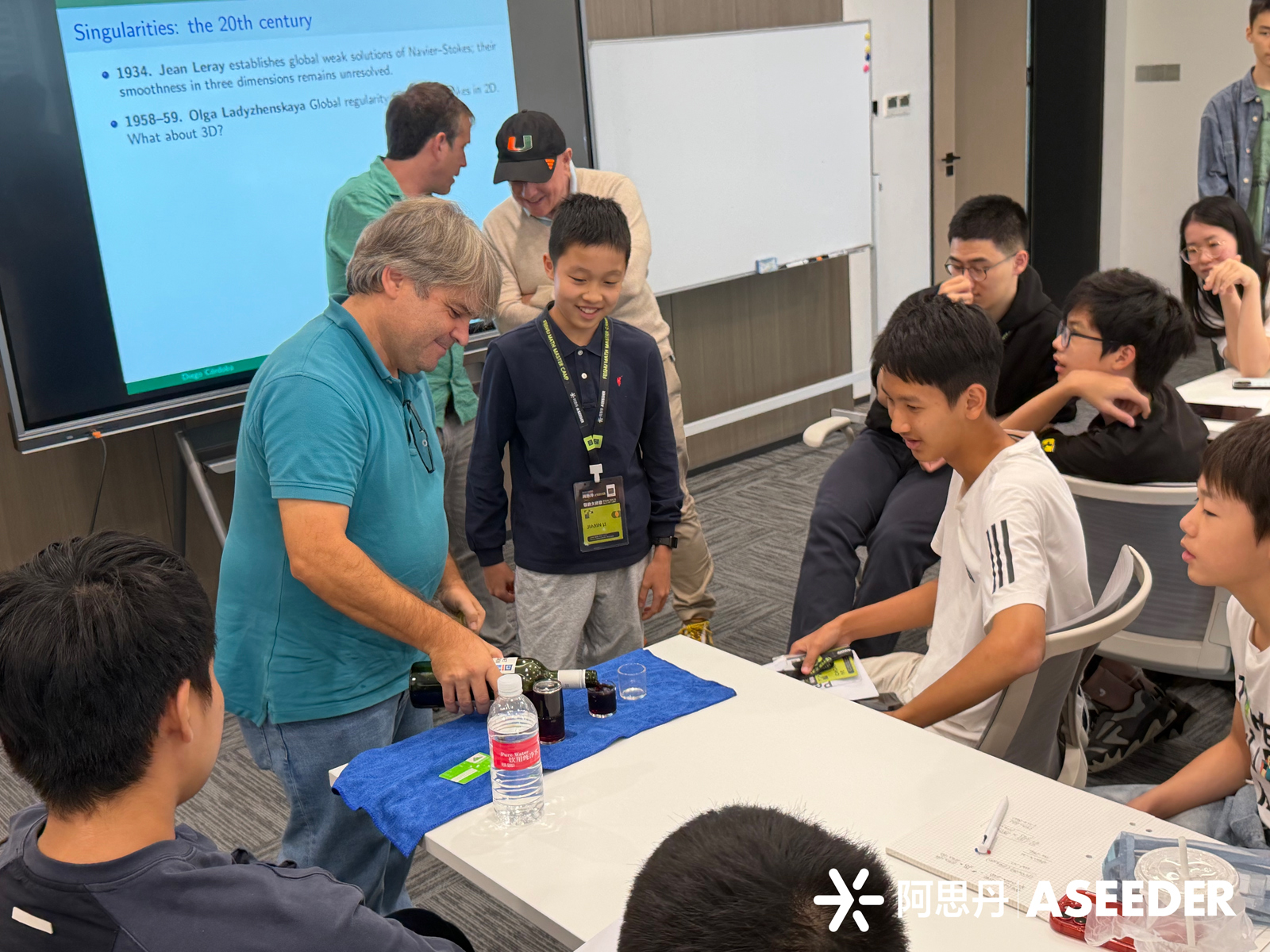
Math x Physics: Fluid and Mechanics Experiments
- Fluid mechanics and dimensional behavior
- Pressure, lift, and levitation
- Transitions between solid-like and fluid-like behavior
- Hands-on physics demonstrations with the principles explained
Math x Computer Science: Cryptography
- What cryptography is, and real-world applications
- Symmetric Encryption and Asymmetric Encryption (e.g., RSA)
- Hands-on practice: encrypt and decrypt classical ciphers such as the Caesar cipher, and understand their vulnerabilities
- The core mathematics behind modern public-key cryptography (RSA), including factoring large primes
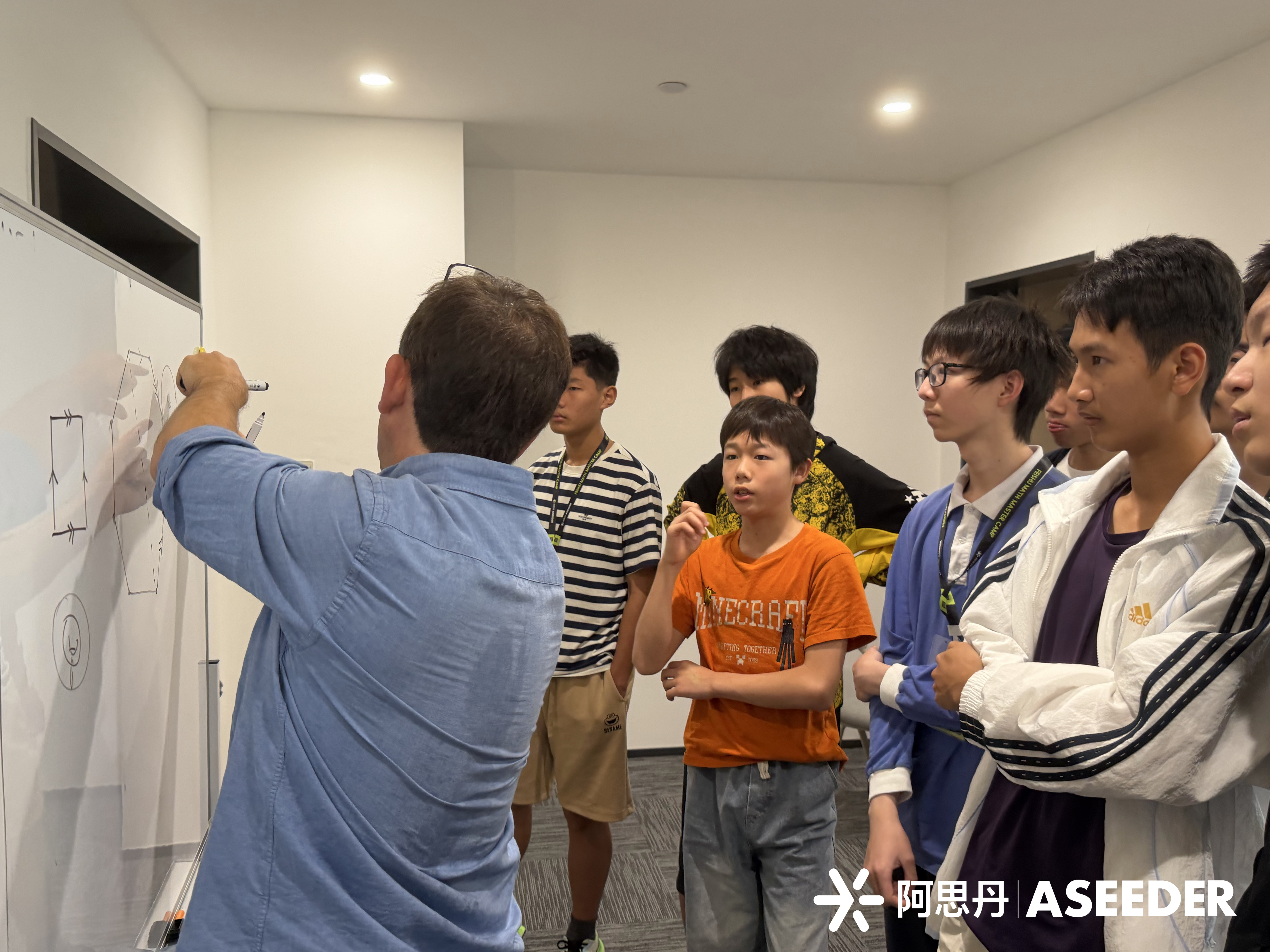
Math x Art & Culture: The Mystery of Kolam
- Kolam, culture, and ethnomathematics (extended cases: Inuit igloos, mental math of Brazilian street vendors)
- Give it a try: design your first Kolam — drawn freehand, math not required
- The math all-stars behind Kolam: discrete mathematics, number theory, abstract algebra, sequences, and fractal
Math x Biology: Bioinformatics
- Why can DNA be treated as a string of "data"?
- How do we find patterns in DNA sequences?
- How does data analysis help scientists study genes?
- How does AI support disease prediction and medical research?
* The final topics will be those officially released by Feishu.
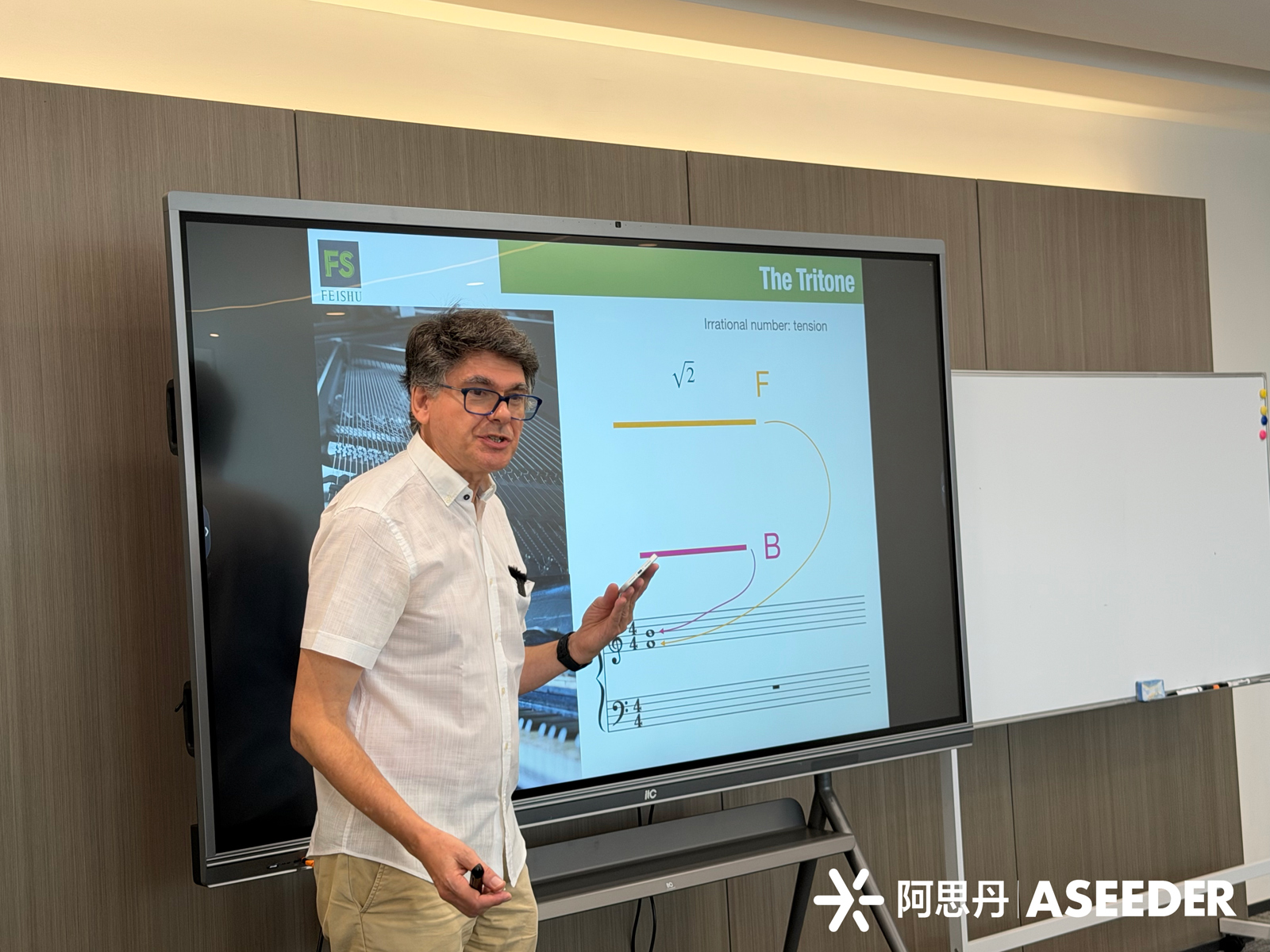
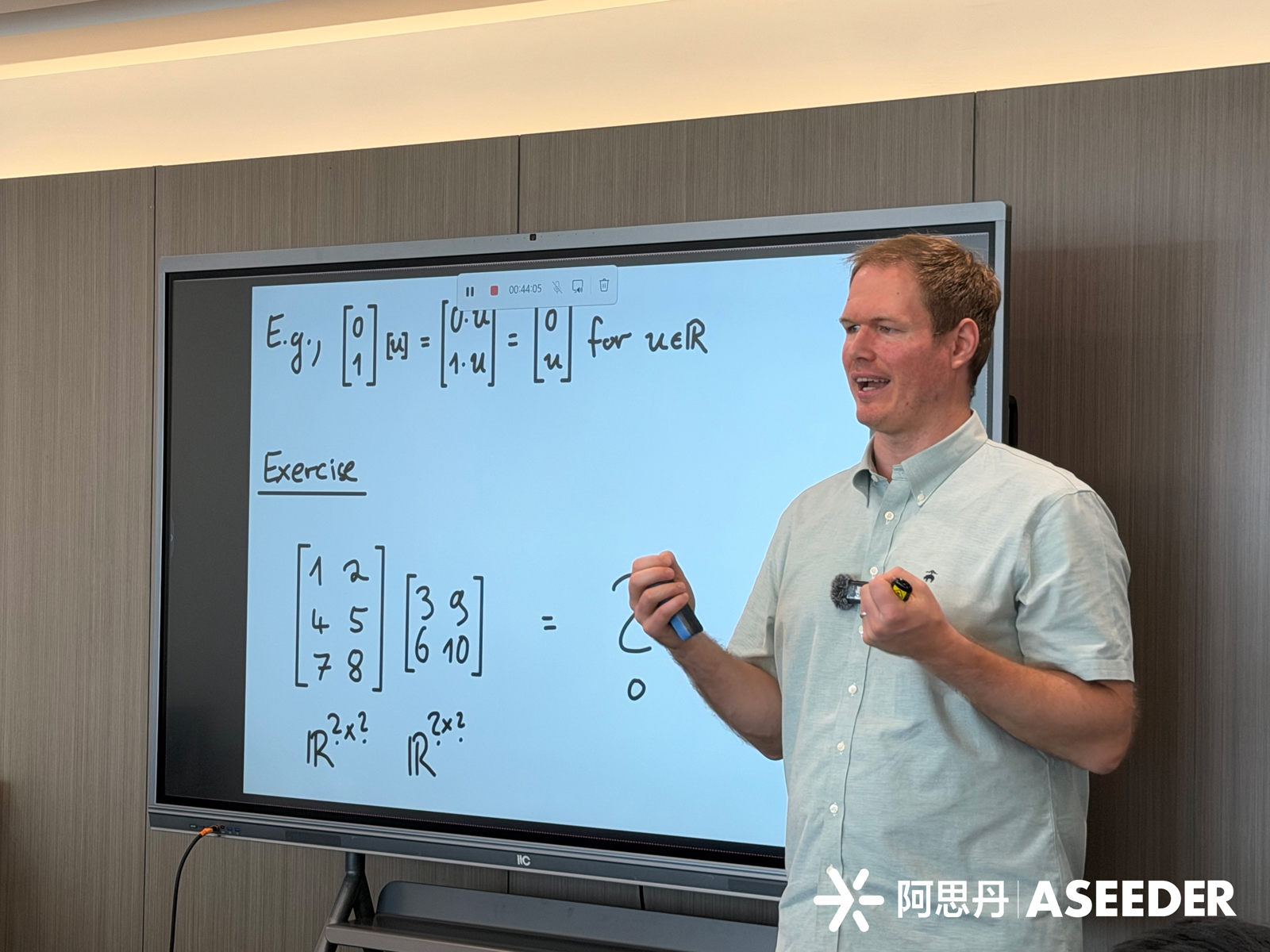
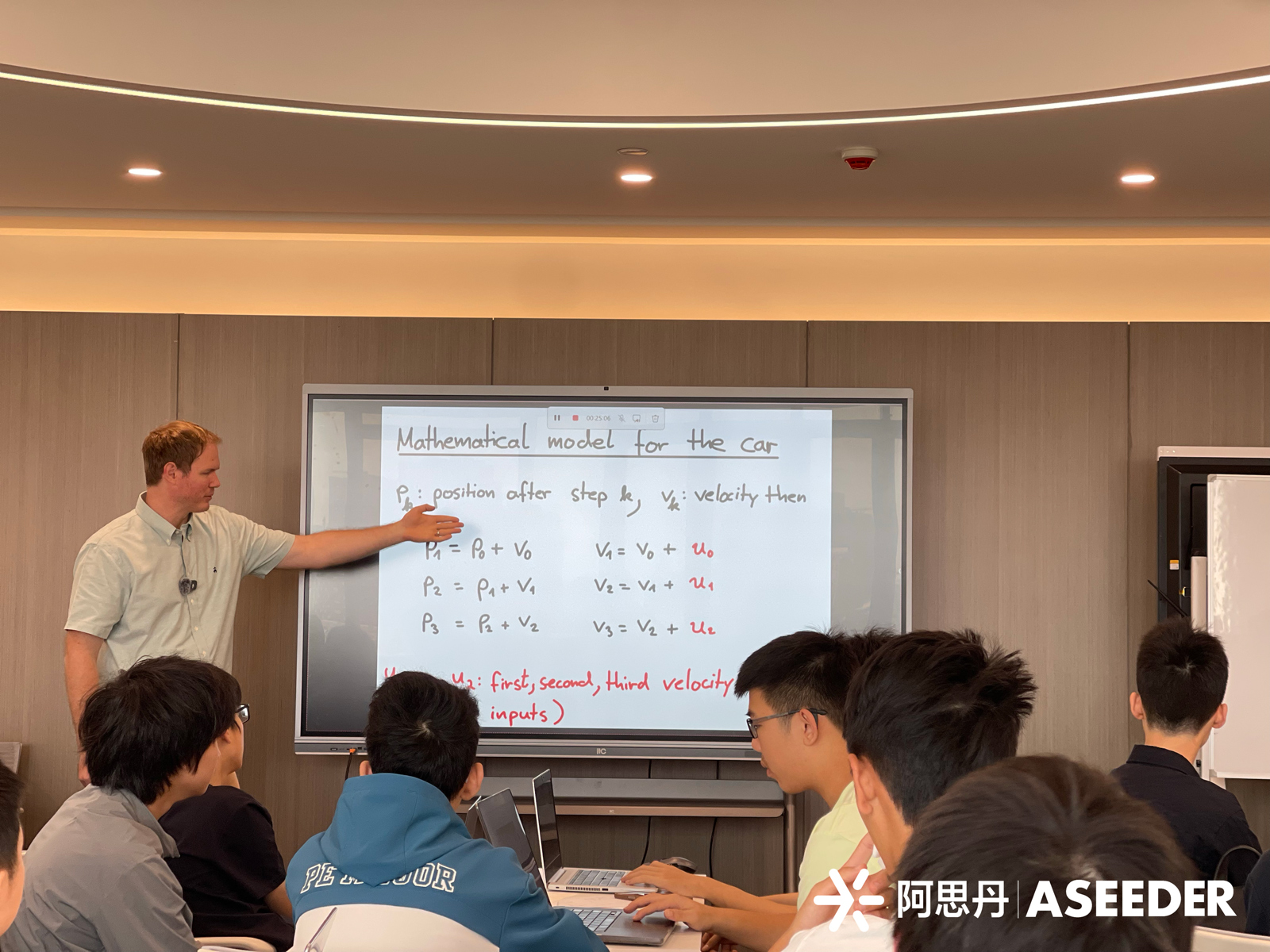
PART 02 Meet with Mathematicians | Insights Into Real‑World Mathematical Research
• Drawing the Invisible: The Vector Field of a Typhoon
• The Hidden Grammar: How Math Decodes the Source Code of Life
• The Mathematics of Survival: Markov Jumps and Stochastic Games in Epidemics
• The Mathematical Price of Time, the Harmonics of Complexity
• More Than 1, 2, 3: What Number Theorists Actually Do
• Learning Math Differently at University: The Case of École Polytechnique
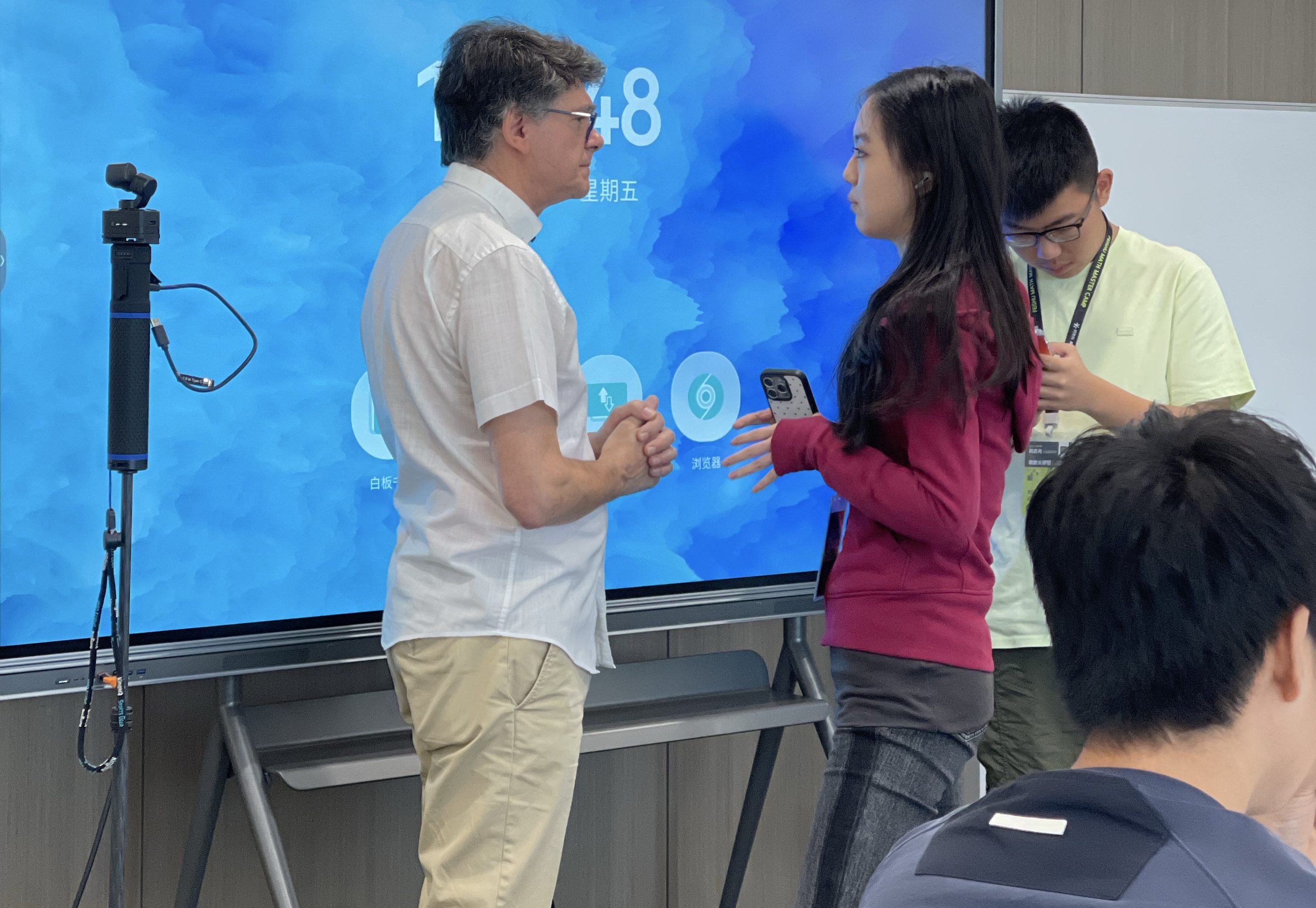
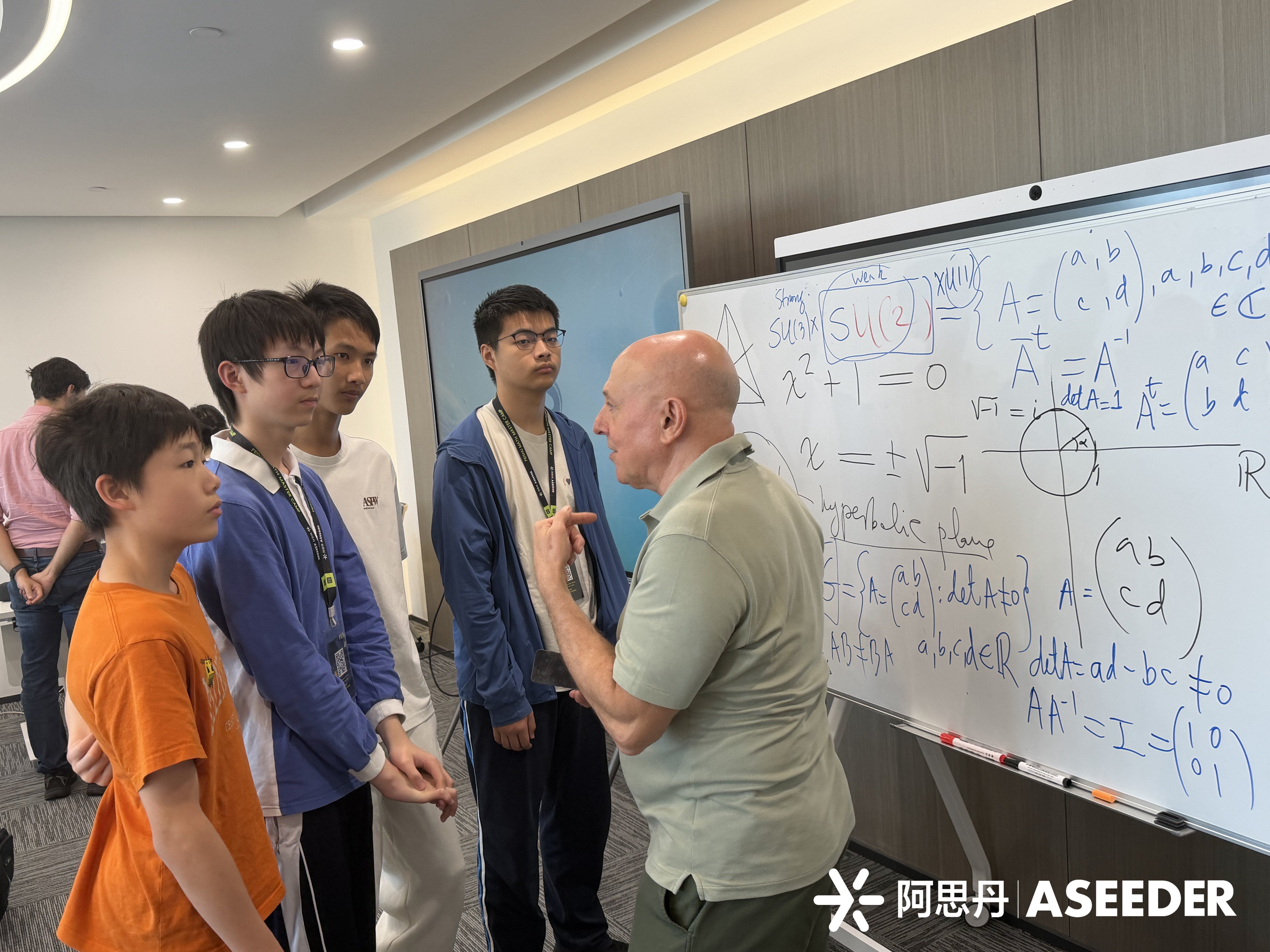
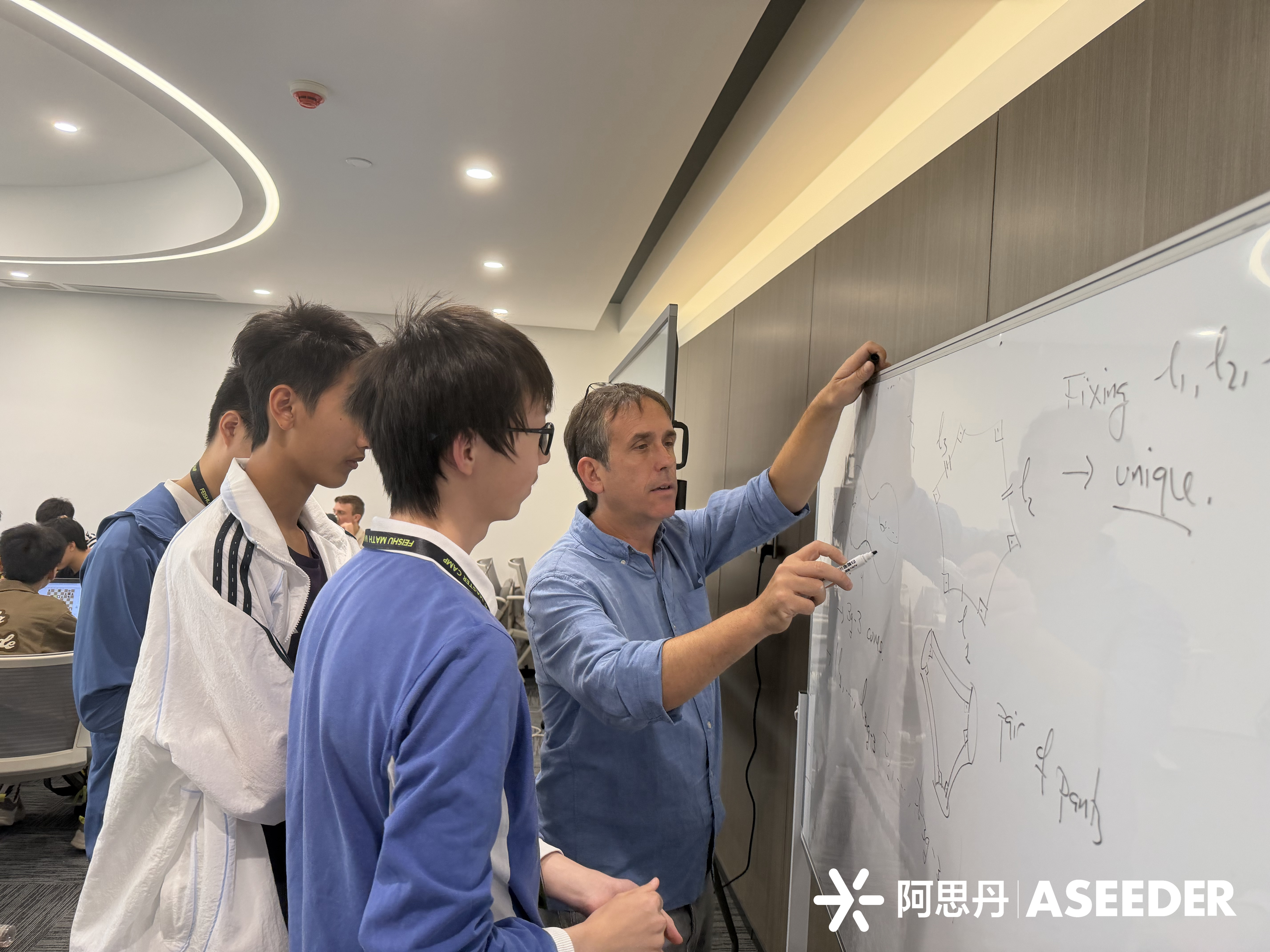
PART 03 Office Hour
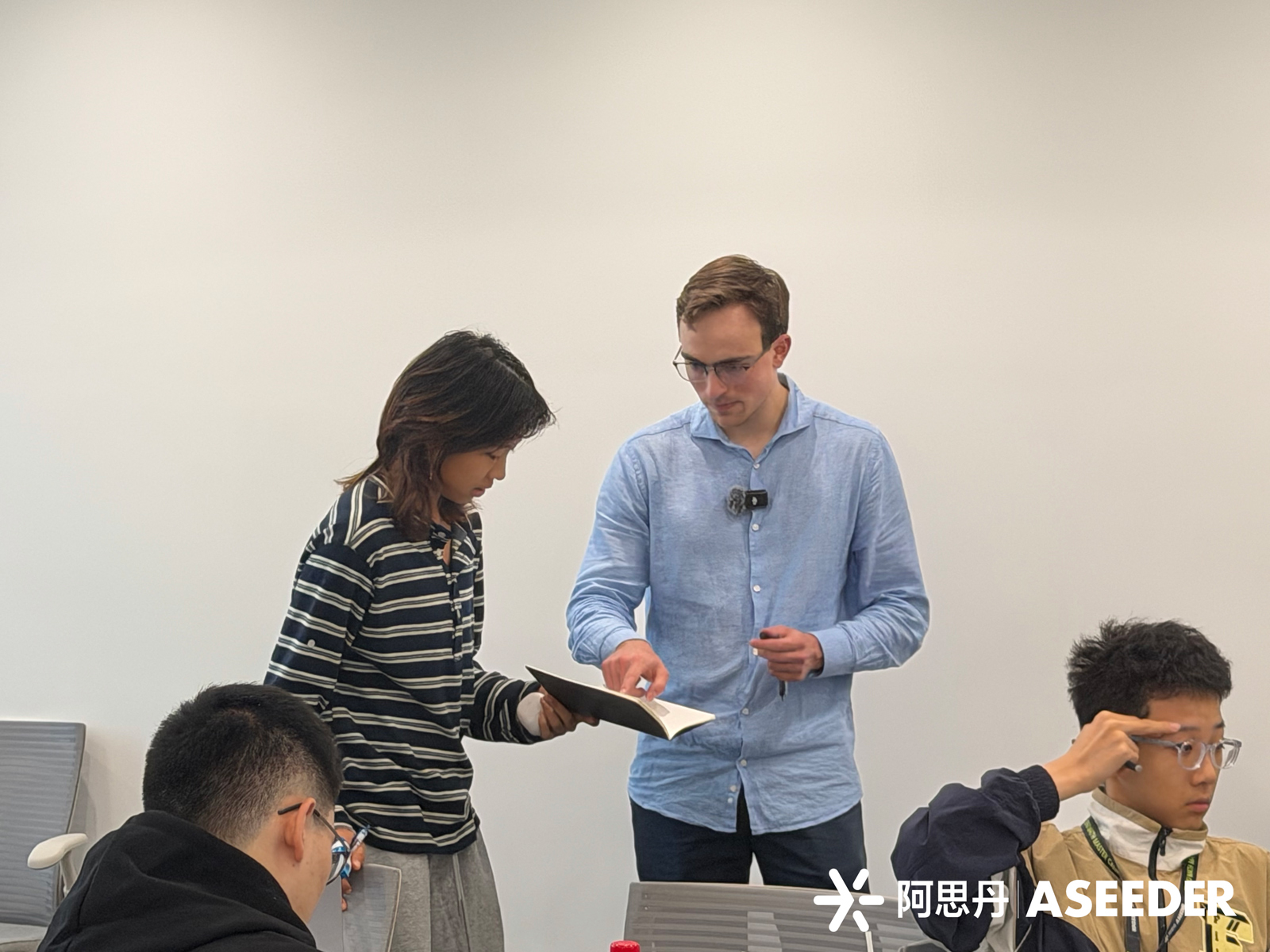
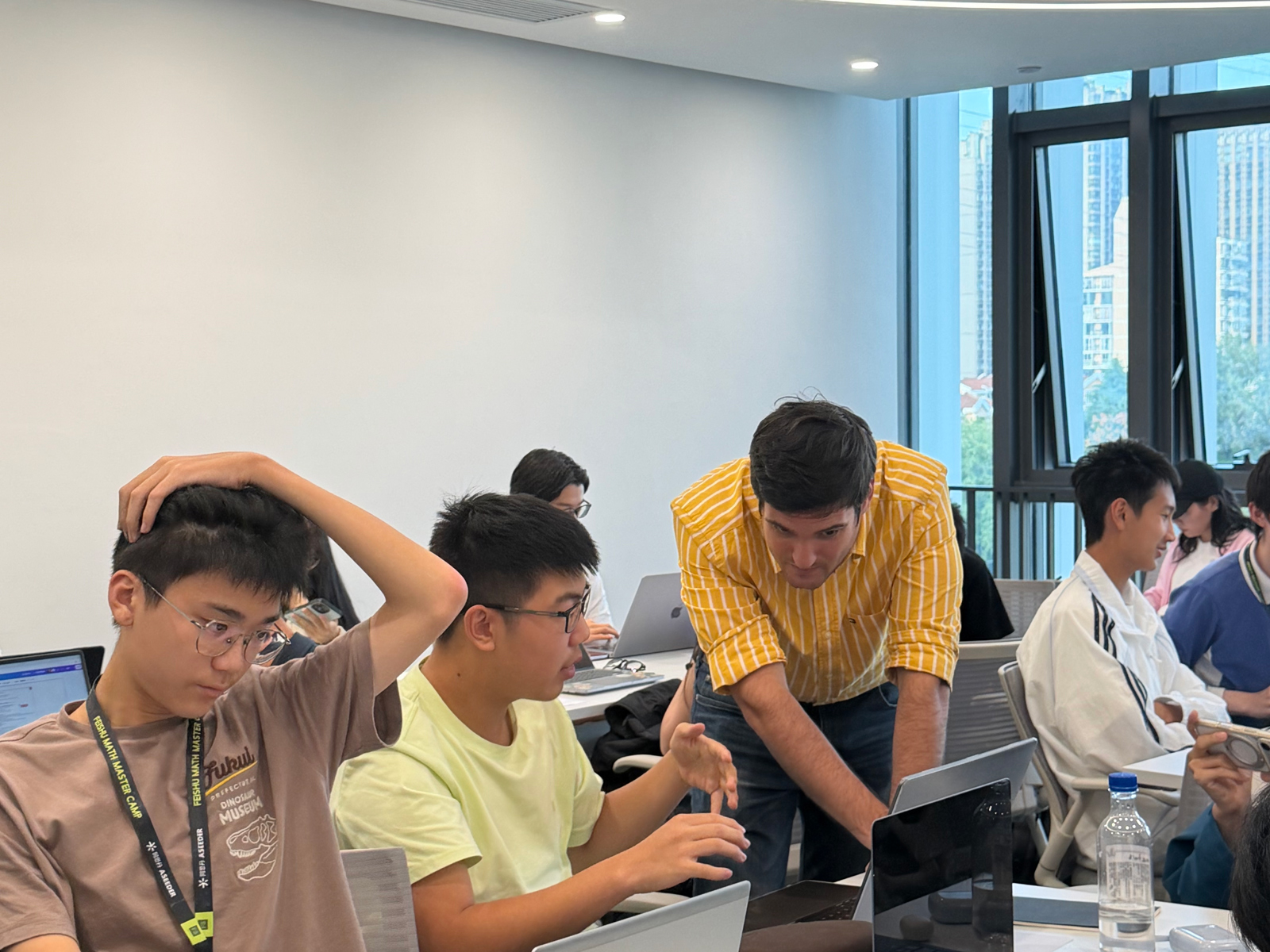
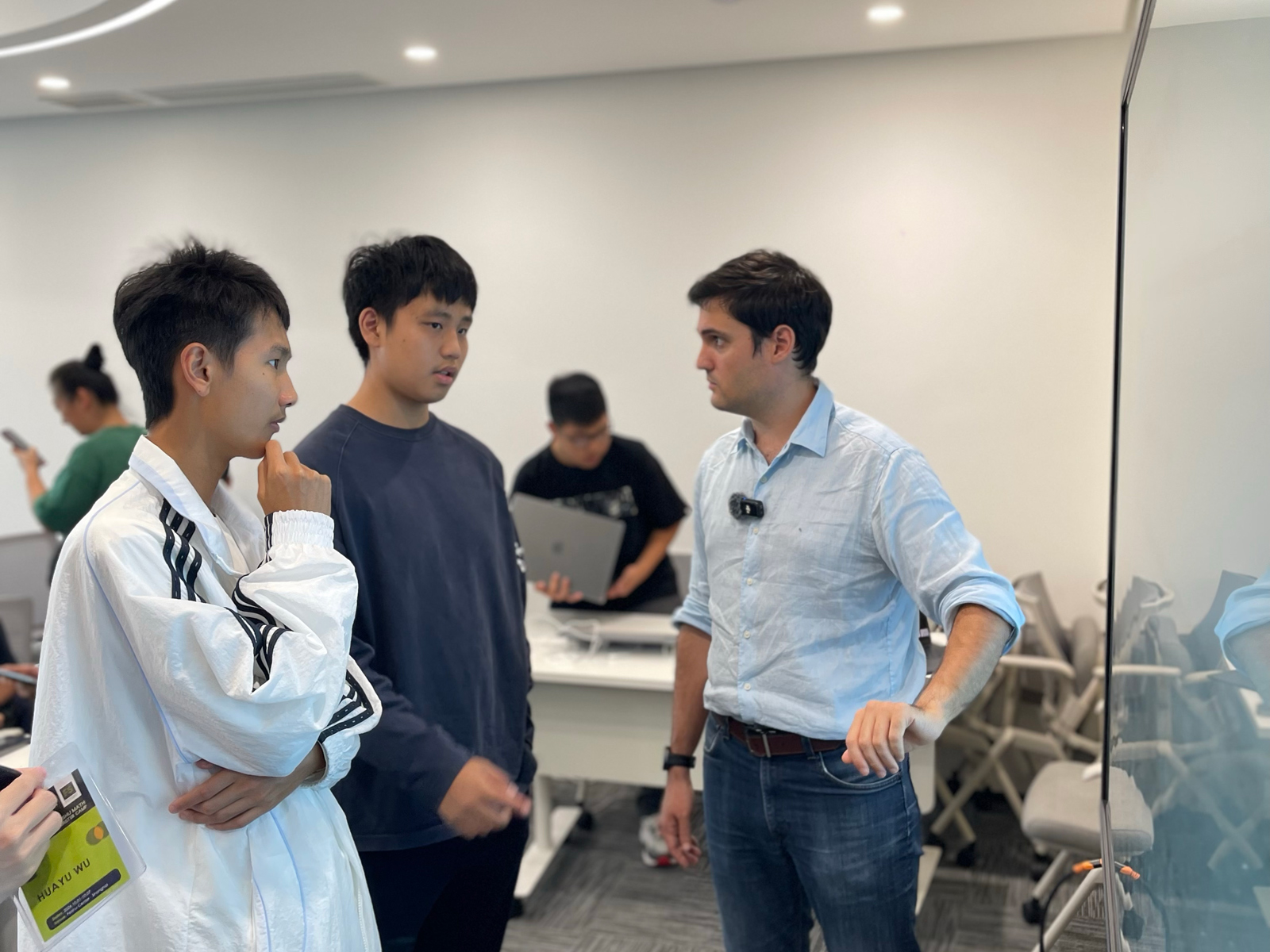
— Sample Faculty —
* Final faculty arrangements are subject to Feishu's official release.
The daily Δ-Math Interdisciplinary Masterclasses will be taught by visitinginternational scholars and world-leading mathematics professors invited by Feishu, while Meet with Mathematicians, PBL mini-project mentoring, and Office Hours will be led by PhDs, postdoctoral researchers, and research fellows in mathematics.
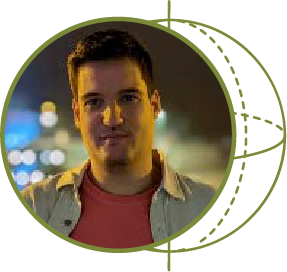
Dr. Leonardo
Research Scholar, University of Lisbon
Dr. Leonardo is a researcher in computer and data science, specializing in machine learning, data mining and biomedical informatics, with a focus on discovering patterns within complex datasets. Beyond research, he has hands‑on teaching and academic mentoring experience, and is dedicated to teaching and tutoring courses related to AI, data science and computer science.
Prof. Luis Seco
Professor of Mathematics and Computational Science, University of Toronto
Prof. Luis Seco began his academic career at Princeton University in 1985 and joined the University of Toronto in 1992, after a brief and enjoyable stay at Caltech. Building on the quantitative finance tradition established by Nobel Laureates Markowitz, Sharpe, Merton and Scholes - and now propelled by data science and machine learning - he has consistently sought to translate academic research into practical impact.
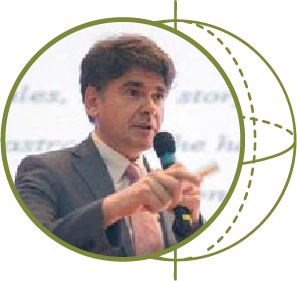
Prof. Oscar García-Prada
Mathematician; Professor at the Institute of Mathematical Sciences (ICMAT), Spain
Prof. Oscar García-Prada is an internationally renowned scholar in geometry and mathematical physics. He focuses on the frontiers where differential geometry, algebraic geometry and mathematical physics intersect. He is devoted primarily to the theory of moduli spaces — in particular, using Higgs bundles as a central tool to explore the symmetries and topological structures inherent in geometric objects.
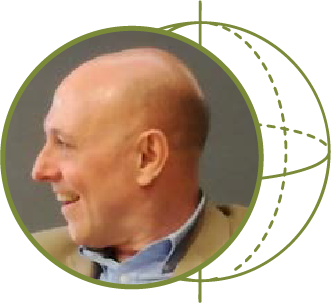
Prof. Kumar Murty
Number theorist; Former Chair of the Department of Mathematics, University of Toronto; Former Director of the Fields Institute
Professor Kumar Murty's research centers on number theory — in particular analytic number theory, algebraic number theory, and arithmetic algebraic geometry — and extends into applied areas including information security, mathematical modeling, and public health. He holds a PhD from Harvard University and brings over 40 years of experience in mathematical research, and has received numerous major honors from the Canadian mathematical community.
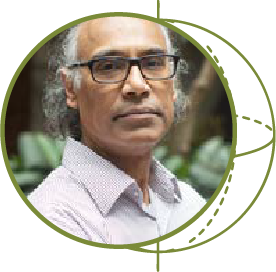
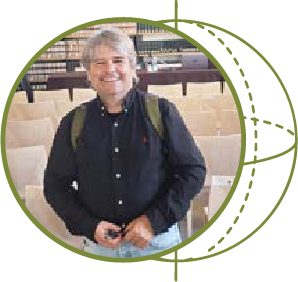
Prof. Diego Córdoba
Diego Córdoba is a Professor at the Instituto de Ciencias Matemáticas (ICMat-CSIC) and the Scientific Director of the Severo Ochoa programs 2016-2019, 2020-2023 and 2024-2028. His research centers on partial differential equations (PDEs), mathematical analysis, and fluid mechanics, with a focus on frontier topics including singularity formation in incompressible fluids, vortex motion, free boundary problems, and nonlocal dynamics. His work has broad applications to the understanding of complex fluid phenomena such as tornadoes, wave breaking, and the evolution of weather systems.
Dr. Lucas O'Brien
Dr. Lucas is a PhD candidate in Mathematics at the Massachusetts Institute of Technology, specializing in optimal transport theory, free boundary problems, and mathematical economics. His research focuses on the application of partial differential equations and the calculus of variations to the modeling of complex economic systems. Alongside his research, he brings extensive undergraduate teaching experience, having served as a teaching assistant for linear algebra and calculus courses at the University of Toronto. He is committed to teaching and mentoring that connect advanced mathematical theory with real-world applications.
— Sample Schedule —
* The actual schedule and session order may be adjusted based on students' progress and instructors' availability
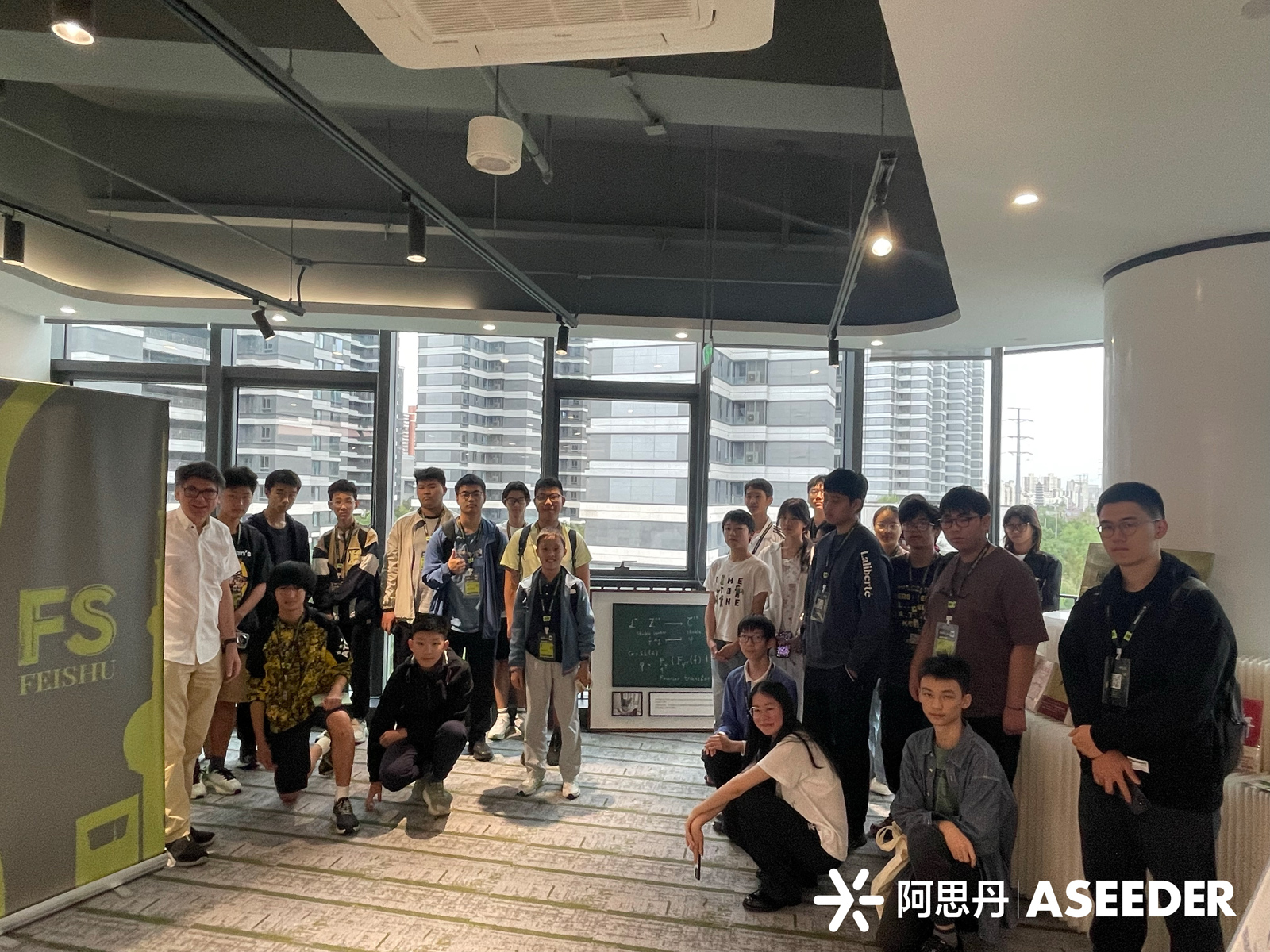
— Highlights —
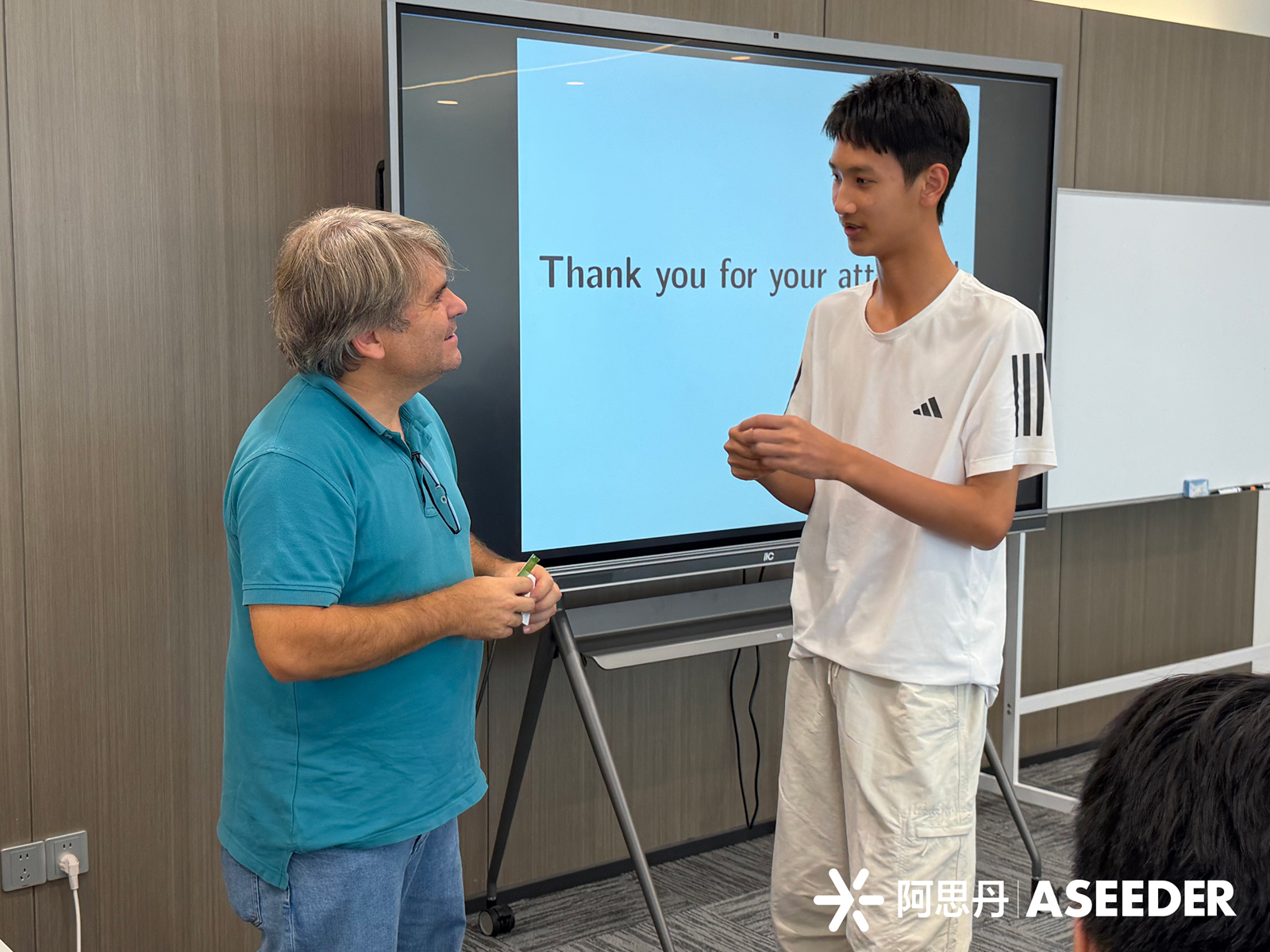
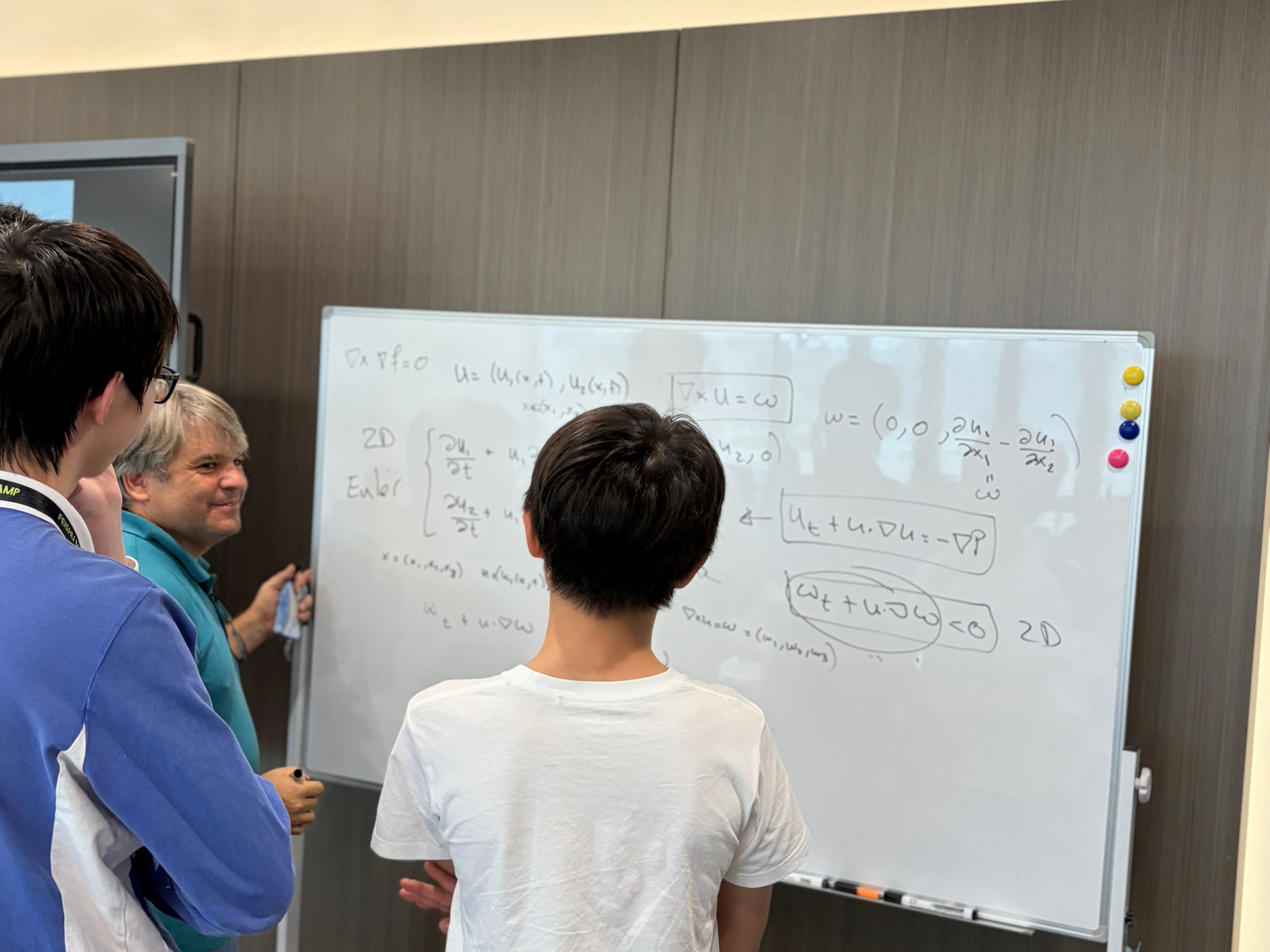
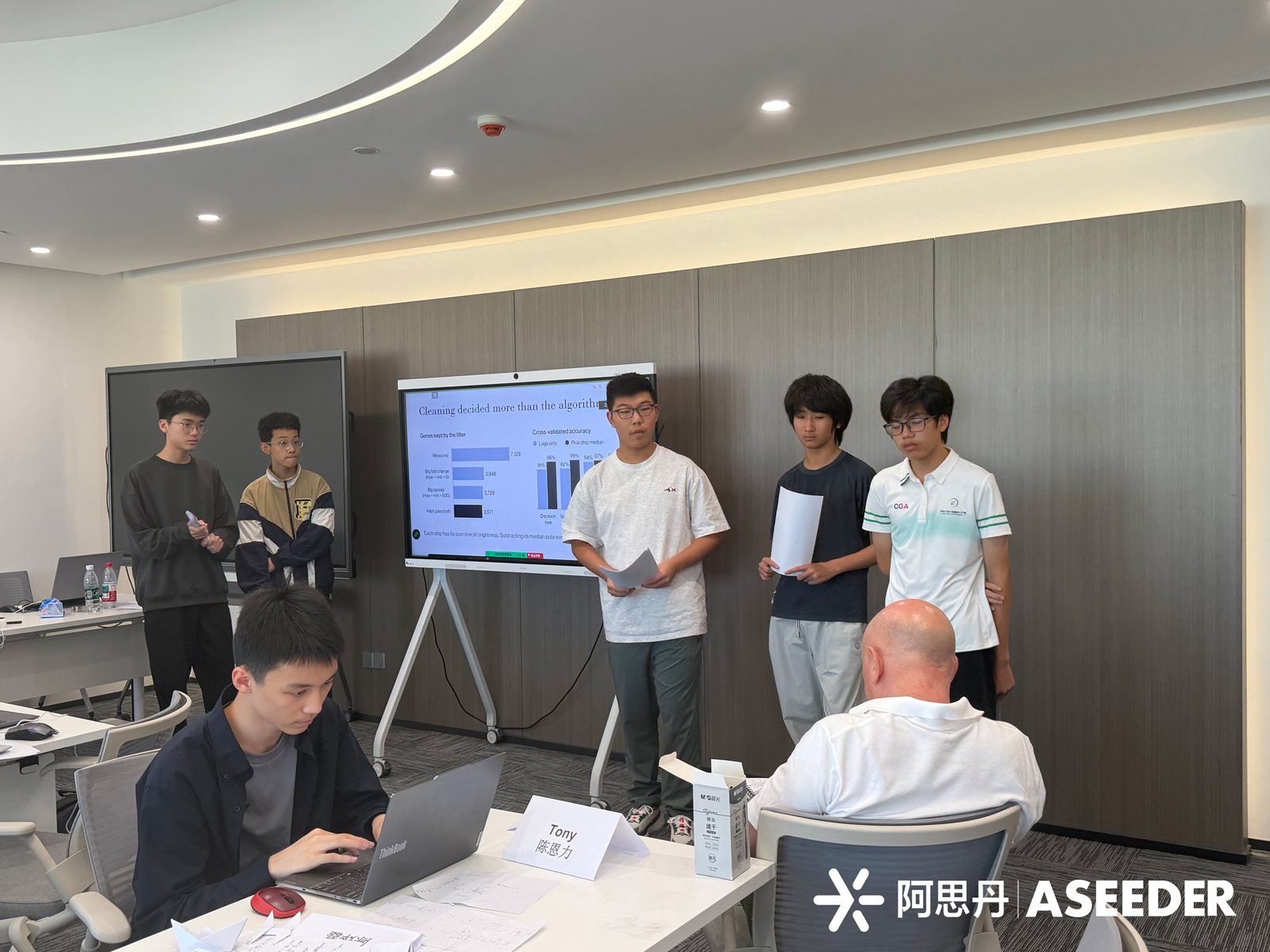
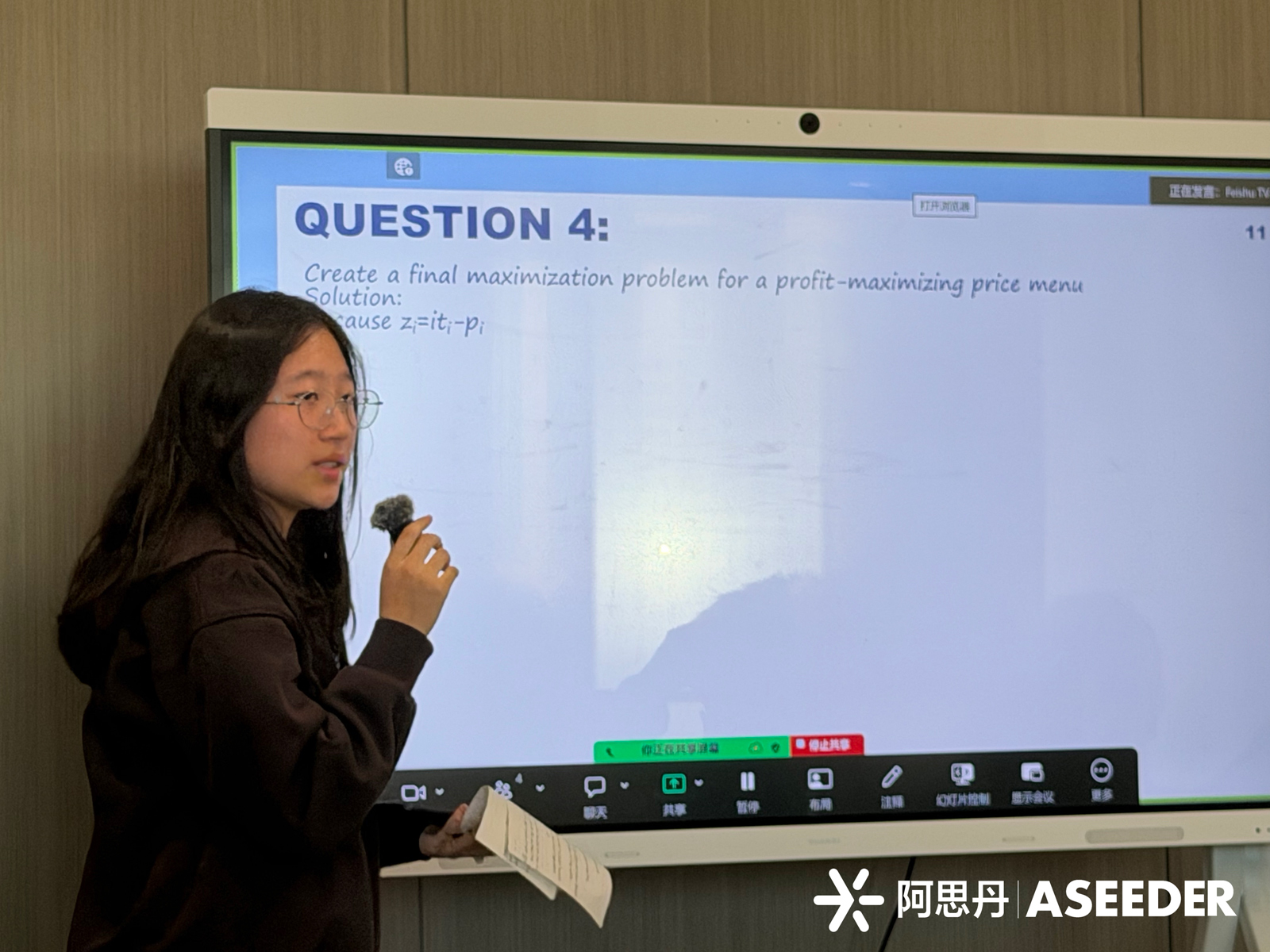
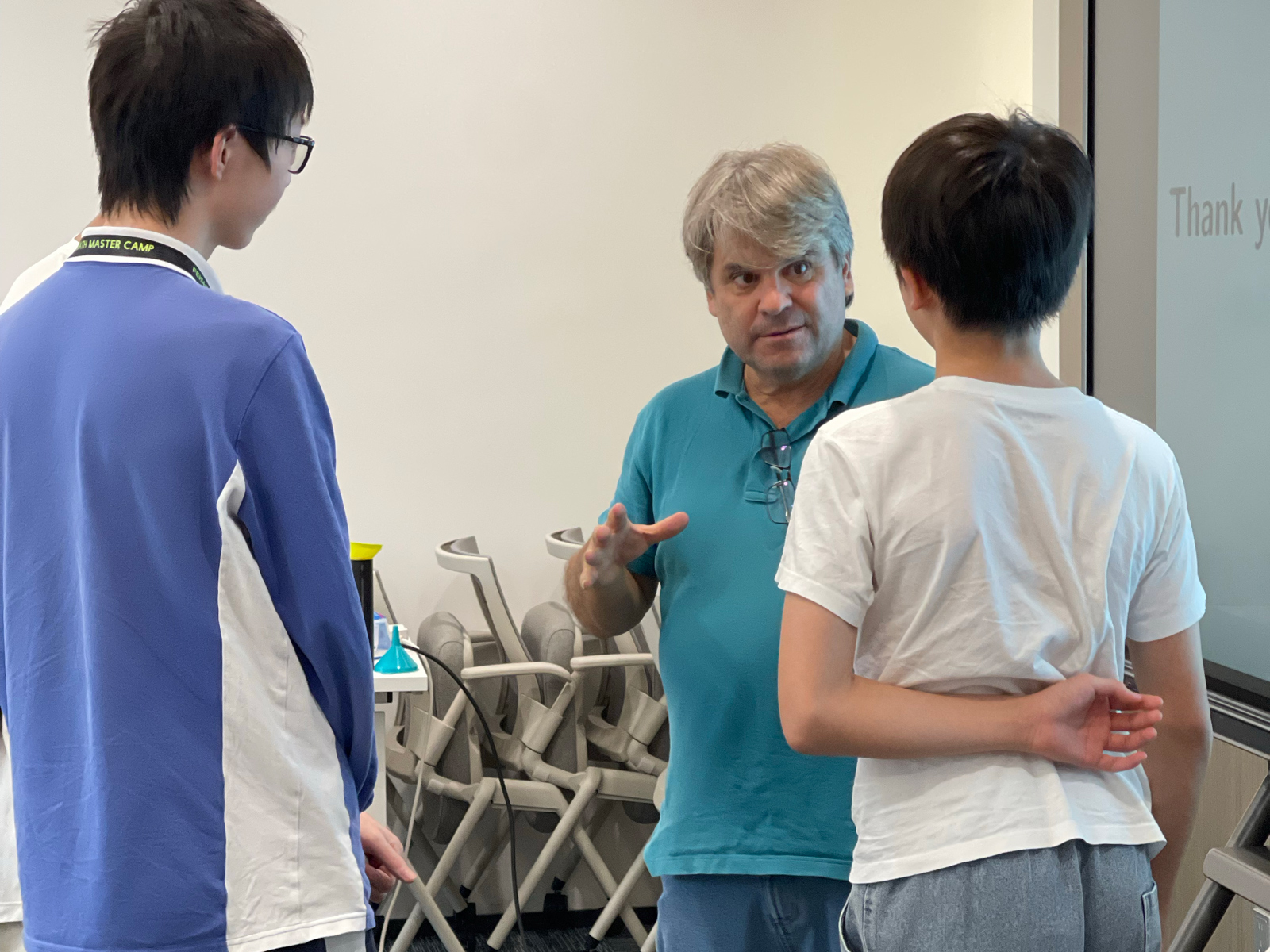
— Program Information —
【Language】
English
【Location】
Shanghai, China
【Who Should Apply】
High school students with strong math skills who can learn in an English-taught environment
【Fee】
•Included: tuition, certificate application fee, venue rental, course materials, full-time program staff support, and insurance during the program
•Not included: round-trip travel to the program location, daily commute to and from the venue, accommodation and meals during the program, and other personal expenses (ASEEDER will offer an optional logistics package covering hotel accommodation and daily transportation to and from the venue)
【Application】
Open to students in Grades 9–12 who have a strong interest in mathematics and are eager to explore mathematical concepts and applications beyond the classroom.
English Language Eligibility:
Applicants must hold relevant mathematics competition awards and meet the English requirement: IELTS 6.0, TOEFL Paper-delivered 4.5 or TOEFL iBT 80 and above.
*Applicants without a qualifying English test score may schedule an English interview (online or by phone) for assessment. For details, please contact your program advisor.
Mathematics Eligibility:
Applicants must hold awards from relevant mathematics challenges:
1. Recognized winners in the high school division of: the American Mathematics Competitions (AMC), UK Mathematics Trust (UKMT) competitions, Australian Mathematics Competition (AMC), Canadian Open Mathematics Challenge (COMC), or Math Kangaroo
2. Recognized winners in team mathematics competitions: HMMT (Harvard–MIT), PUMaC (Princeton), BMT (Berkeley), SMT (Stanford), Yale Mathematics Tournament for High-Schools (MMATHS), or Penn Math Challenge (PMC)
3. Second Prize or above in the China High School Mathematics League (provincial level), with a TOEFL score of 80 or an IELTS score of 6.0
Preferred Qualifications: Experience in mathematical modeling or programming, or outstanding performance in physics or other STEM programs.